
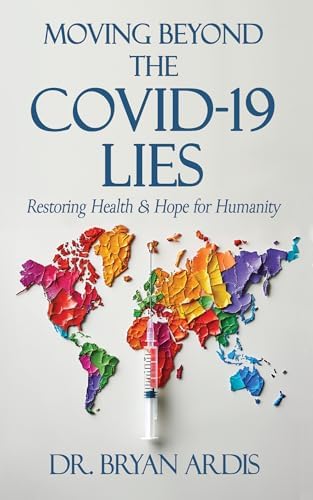
Navigating Controversial Health Books: A Buyer's Guide to COVID-19 Narratives
When considering 'Moving Beyond the COVID-19 Lies: Restoring Health and Hope for Humanity,' you're entering a polarized category of personal health literature that challenges mainstream pandemic narratives. This guide helps you evaluate such books critically, focusing on author credibility, evidence quality, and alignment with your health information needs.
Key Considerations Before Buying
- Evaluate the author's credentials and potential biases—look for backgrounds in epidemiology, public health, or clinical medicine to assess expertise on COVID-19 topics.
- Consider the balance between contrarian viewpoints and verifiable data; books that rely heavily on anecdotal evidence or unverified claims may require extra scrutiny.
- Check publication dates and update status—pandemic information evolves rapidly, and older content may miss crucial developments like vaccine efficacy data or new variants.
What Our Analysts Recommend
Quality indicators include citations to peer-reviewed studies, transparent disclosure of funding sources, and a respectful tone that engages with opposing views rather than dismissing them. Look for books that provide actionable health advice alongside critique, not just polemics.
Personal Health Market Context
Market Overview
The personal health eBook market on Amazon has seen a surge in COVID-19-focused titles, ranging from public health guides to skeptical critiques. This book occupies the contrarian niche, appealing to readers questioning official narratives, a segment that has grown amid shifting public trust.
Common Issues
Readers often face difficulty distinguishing between evidence-based critique and misinformation, as many books in this space blend personal anecdotes with selective data. Polarized reviews can also skew perceptions, making authentic user feedback hard to identify.
Quality Indicators
High-quality books in this category typically include detailed references, author responses to criticism, and a clear distinction between opinion and fact. Verified purchase reviews that mention specific chapters or arguments often signal genuine engagement.
Review Authenticity Insights
Grade B Interpretation
With a Grade B and an estimated 15% fake review rate, this book's review profile is moderately trustworthy but warrants caution. The high 5.00 average rating (adjusted to 4.60) suggests genuine enthusiasm from many readers, though a minority of reviews may be artificially inflated.
Trust Recommendation
Focus on verified purchase reviews that describe specific takeaways or personal health changes—these are more likely authentic. Be skeptical of overly emotional or vague 5-star ratings, and cross-reference claims with external sources to validate the book's arguments.
Tips for Reading Reviews
For controversial health books, prioritize reviews that mention both positives and critiques, as balanced feedback often indicates real user experience. Look for comments on the book's sourcing or logical consistency, which reveal critical thinking from readers.
Expert Perspective
This book's strong 4.60 adjusted rating and largely authentic reviews suggest it resonates with its target audience—readers seeking an alternative perspective on COVID-19 health policies. However, the 15% fake rate and Grade B authenticity signal that some promotional activity may amplify its positive reception. The content likely challenges mainstream views, which can be valuable for critical thinking but requires readers to independently verify claims, especially those related to health practices.
Purchase Considerations
Weigh your openness to contrarian health arguments against the need for evidence-based guidance. If you value diverse perspectives and can critically assess sources, this book may offer thought-provoking insights. However, if you rely on consensus-driven health information, consider supplementing with mainstream public health resources.
Comparing Alternatives
Shoppers should compare this book with other COVID-19 narratives that offer different viewpoints or more rigorous sourcing, such as those by epidemiologists or science journalists, to ensure a well-rounded understanding.


