Choosing a 1U sliding rack tray requires matching depth, weight capacity, and slide mechanism
The Penn Elcom R1290/1U sliding rack tray is designed for shallow-depth equipment up to 15 inches, making it ideal for compact audio interfaces, network switches, or small DJ controllers. Unlike fixed shelves, its sliding mechanism provides temporary front access for cable management and adjustments, but requires careful consideration of your rack's internal clearance.
Key Considerations Before Buying
- Verify your equipment's depth: This tray supports gear up to 15" deep, but you must also account for rear connectors and cable bend radius, which can add 2-3 inches.
- Assess the slide mechanism's utility: The ball-bearing slides offer smooth extension, but check if your rack's side rails have the necessary clearance for full slide-out without hitting adjacent gear.
- Confirm weight distribution: While sturdy, sliding trays place dynamic stress on front rack ears; ensure your rack frame is securely mounted if loading heavier items like power conditioners.
What Our Analysts Recommend
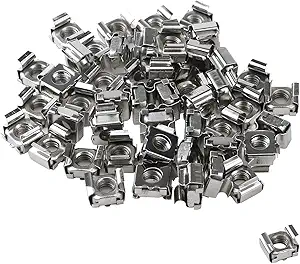
Quality sliding trays feature reinforced 1.5mm steel construction, positive slide locks to prevent accidental pull-out, and pre-installed cage nuts for standard 19" racks. Examine the finish—powder coating resists chipping better than paint—and ensure slide rails are independently mounted, not welded, for easier alignment during installation.
Rack Accessories Market Context
Market Overview
The rack accessory market is saturated with low-cost import shelves that often compromise on gauge thickness and slide precision, while premium brands like Penn Elcom target professional installers needing reliability. For 1U sliding trays specifically, the 10-16 inch depth range is most common, catering to shallow IT and AV gear.
Common Issues
Buyers frequently encounter trays with misaligned mounting holes that don't match standard rack spacing, or slides that bind when loaded. Another pain point is insufficient rear support, causing sagging with heavier equipment, which stresses the front rack ears.
Quality Indicators
Look for trays with dual-stage ball-bearing slides (not friction slides), measured steel thickness (1.2mm+), and positive detent stops. Quality units will specify a static and dynamic weight rating—the Penn Elcom's 15kg dynamic rating is standard for mid-tier professional gear.
Review Authenticity Insights
Grade B Interpretation
A Grade B authenticity rating with 11% estimated fake reviews indicates predominantly genuine feedback, but suggests some incentivized or biased reviews may be present. The 0.19-point drop from the displayed 3.89 to the adjusted 3.70 rating reflects removal of suspiciously positive evaluations.
Trust Recommendation
Focus on reviews that mention specific installation details, like rack brand compatibility (e.g., Middle Atlantic, Gator) or equipment models fitted. Be skeptical of reviews lacking technical context or those overly focused on packaging rather than performance.
Tips for Reading Reviews
Prioritize reviews discussing long-term use (6+ months) to assess slide durability and finish wear. Look for mentions of the slide lock mechanism's effectiveness and any issues with the pre-installed cage nuts fitting industry-standard rack threads.
Expert Perspective
The Penn Elcom R1290/1U occupies a middle ground: more robust than budget no-name trays but without the premium price of fully tool-less or soft-close mechanisms. Its 3.70 adjusted rating reflects reliable performance for standard loads, with complaints typically centering on delivery damage or minor fit issues rather than structural flaws. The 15-inch depth limitation is its defining characteristic—perfect for compact gear but unsuitable for deeper units.
Purchase Considerations
This tray makes sense if you need occasional front access to equipment connectors in a packed rack and your gear depth is under 13 inches to allow cable clearance. Consider fixed shelves if you won't need slide-out access, as they offer greater weight capacity and stability at lower cost.
Comparing Alternatives
Compare with Gator Frameworks shallow-depth slides and Middle Atlantic's fixed shelves to evaluate trade-offs between access convenience, cost, and load capacity.