
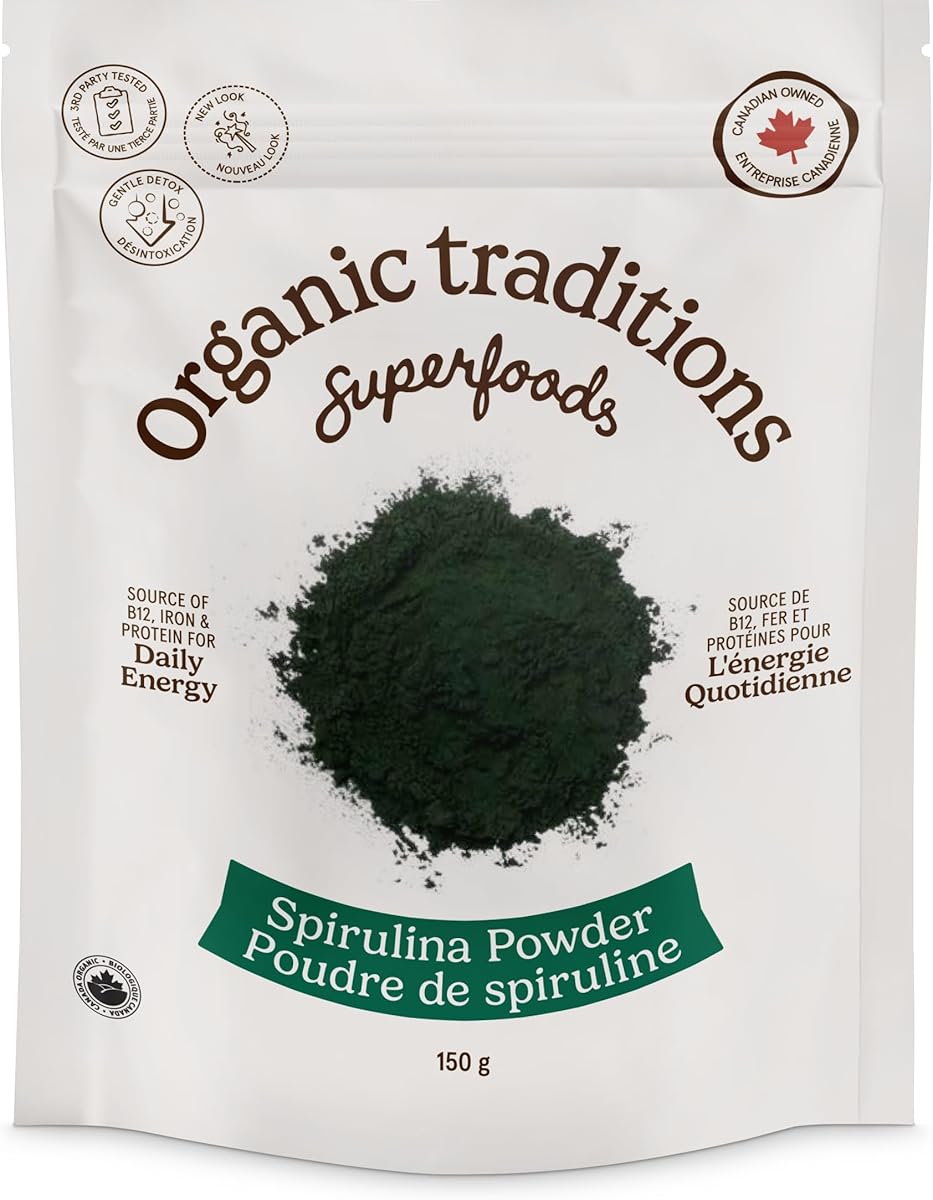
Unlocking Spirulina's Potential: Your Guide to Organic Traditions Powder
When considering Organic Traditions Spirulina Powder, you're looking at a concentrated algae-based superfood designed to boost smoothies with plant-based protein, B-vitamins, and iron. This 150g bag offers a convenient daily dose for energy support, but choosing the right spirulina requires attention to sourcing, processing, and purity to ensure you get the full nutritional benefits without contaminants.
Key Considerations Before Buying
- Sourcing and purity matter: Spirulina can absorb heavy metals from water, so look for brands like Organic Traditions that emphasize organic certification and third-party testing for contaminants. This ensures the powder is safe for daily use.
- Mixing and texture: Not all spirulina powders dissolve easily; some can be gritty or clump. Organic Traditions markets 'easy mixing,' which is a practical advantage for smoothies, but you should still expect a distinct, earthy taste that pairs best with strong flavors like banana or pineapple.
- Dosage and serving size: A 150g bag provides roughly 30 servings at a standard 5g dose. Check if the recommended serving aligns with your wellness goals—some users may need more for noticeable energy support, while others find a smaller amount sufficient.
What Our Analysts Recommend
Quality spirulina should be deep green-blue in color, indicating high chlorophyll and phycocyanin content, and should come from a certified organic source to avoid pesticides. Look for a powder that is finely milled for easy digestion and mixability, and check for any off-smells or signs of moisture in the bag, which can degrade freshness.
Market Context
Market Overview
The spirulina market has grown rapidly as consumers seek plant-based, nutrient-dense superfoods for energy and immune support. With many brands offering powders, tablets, and capsules, differentiation often hinges on organic certification, sourcing location (e.g., Hawaii or India), and processing methods that preserve heat-sensitive nutrients.
Common Issues
A frequent concern is the strong, 'pond-like' taste that can be off-putting, leading some users to abandon their purchase. Additionally, contamination with heavy metals or microcystins (toxins from blue-green algae) is a real risk if the spirulina isn't properly tested, making brand trust crucial.
Quality Indicators
Look for spirulina that is certified organic, non-GMO, and ideally tested by a third party for heavy metals and purity. The color should be a vibrant, consistent dark green, and the powder should have a fine, smooth texture. Brands that provide batch-specific lab reports or transparent sourcing details typically offer higher quality.
Review Authenticity Insights
Grade B Interpretation
With a Review Authenticity Grade of B and an estimated 10% fake reviews, this product has a solid base of genuine feedback but isn't immune to some inflated ratings. The 4.70 average rating (adjusted to 4.50) suggests real users are largely satisfied, but the small percentage of fake reviews may slightly overstate satisfaction, especially if they focus on generic praise.
Trust Recommendation
You can generally trust the positive sentiment here, but pay attention to reviews that mention specific experiences with taste, mixability, and energy effects, as these are more likely authentic. Be cautious of overly enthusiastic reviews lacking detail, and cross-reference the adjusted rating (4.50) as a more realistic benchmark.
Tips for Reading Reviews
For spirulina products, focus on reviews that describe how the user incorporated the powder into their diet (e.g., smoothie recipes or mixing tips) and any noticeable health changes over weeks. Also, look for negative feedback about taste or texture—if consistent, it's a reliable signal, but isolated complaints may be personal preference.
Expert Perspective
Organic Traditions Spirulina Powder appears to be a reliable, high-quality option in the crowded superfood market, backed by a strong 4.50 adjusted rating and mostly genuine reviews. Its 'easy mixing' claim addresses a common pain point, and the organic certification adds credibility. However, the 10% fake review rate and Grade B rating mean you should still vet user feedback carefully, especially since spirulina's taste can be divisive and personal.
Purchase Considerations
If you're new to spirulina, start with this 150g bag to test your tolerance for the flavor and your body's response before committing to a larger size. Consider your budget—organic spirulina can be pricey, but the potential for heavy metal contamination in non-organic options makes the investment worthwhile for daily use.
Comparing Alternatives
For shoppers wanting more variety, compare this product with other organic spirulina powders from brands like Nutrex Hawaii or Anthony's Goods, which also emphasize third-party testing and offer different bag sizes to match your consumption pace.


