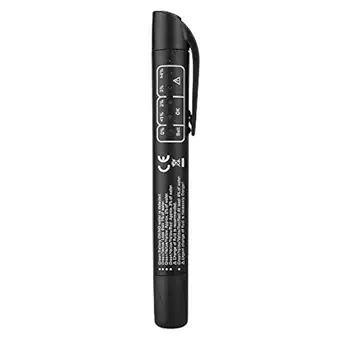
Test Brake Fluid Health Instantly with a DOT3/DOT4 LED Pen
Brake fluid is hygroscopic, meaning it absorbs moisture over time, which lowers its boiling point and can lead to brake fade or failure. A brake fluid tester pen, like this one calibrated for DOT3 and DOT4 fluids, gives you a quick, no-mess way to check moisture content using LED indicators—no need for guesswork or expensive shop tools.
Key Considerations Before Buying
- Ensure the tester is specifically calibrated for DOT3 and DOT4 fluids, as this pen is, since DOT5 silicone-based fluids require different testing methods.
- Look for a model with at least 3 to 5 LED indicators that clearly show moisture levels from safe (green) to critical (red), so you can act before corrosion or boiling occurs.
- Check that the pen’s probe is long enough to reach the fluid reservoir without touching the bottom or sides, which can give false readings.
What Our Analysts Recommend
A quality brake fluid tester should have a sealed, waterproof housing to prevent damage from spills and a simple one-button operation for ease of use. The LED brightness and color differentiation matter—muddy or dim lights can lead to misinterpretation. Also, verify that the product has a protective cap to keep the probe clean between uses.
Brake Fluid Level Market Context
Market Overview
The market for DIY brake fluid testers has grown as more car owners seek to avoid costly repairs by performing simple maintenance at home. Most affordable pens now use LED indicators and are calibrated for common fluid types, making them accessible to non-mechanics. However, quality varies widely, with some pens failing to provide consistent readings across different fluid conditions.
Common Issues
A frequent problem with budget brake fluid testers is inaccurate or inconsistent LED responses, often due to poor calibration or low battery voltage. Users also report that some pens require the engine to be running for accurate readings, which can be inconvenient. Additionally, probes may corrode over time if not cleaned after each use, leading to false positives.
Quality Indicators
High-quality testers are built with corrosion-resistant metal probes and have clear, color-coded LED indicators that are easy to read in direct sunlight. Look for products that specify their calibration range (e.g., 0% to 4% moisture) and include a user manual with interpretation guidelines. Customer feedback highlighting repeated use on multiple vehicles without drift is a strong sign of reliability.
Review Authenticity Insights
Grade B Interpretation
With a Review Authenticity Grade of B and an estimated 10% fake review rate, this product has a solid base of genuine experiences but still carries some inflated praise. The 4.30/5 adjusted rating (down from 4.56/5) suggests that while most reviews are real, a small portion may be overly positive or scripted. This is typical for affordable automotive accessories where sellers sometimes incentivize reviews.
Trust Recommendation
You can generally trust the majority of feedback here, but focus on reviews that describe specific testing scenarios, such as testing on multiple cars or comparing results with a shop's equipment. Be cautious of any review that uses overly generic language like 'works great' without mentioning fluid type or vehicle model. The 10% fake rate is manageable, so rely on verified purchase tags and detailed narratives.
Tips for Reading Reviews
When reading reviews for a brake fluid tester, prioritize those that mention the LED indicator behavior in different moisture conditions, as this reveals real-world performance. Also look for comments about battery life and probe durability, since these are common failure points. Ignore one-line reviews that lack context about the vehicle or fluid tested.
Expert Perspective
This brake fluid tester pen offers a practical, low-cost solution for DIYers who want to monitor brake fluid health without visiting a mechanic. Its 5-LED design provides clear, stepwise feedback, and the calibration for DOT3/DOT4 covers the vast majority of passenger vehicles. The high rating (4.56/5) and 3,809 reviews indicate strong market acceptance, though the 10% fake rate suggests some marketing noise. For routine checks, it’s a reliable tool, but professional shops may prefer a digital tester with numerical readouts for greater precision.
Purchase Considerations
Weigh the convenience of instant LED results against the need for occasional battery replacement and probe cleaning. If you maintain multiple vehicles or older cars with unknown fluid history, this pen can save time and prevent brake system damage. However, if you need exact moisture percentages for record-keeping, consider a digital alternative that displays numeric values.
Comparing Alternatives
Shoppers should compare this pen with digital brake fluid testers that show exact moisture percentages, which cost more but offer higher accuracy for frequent use. Also consider test strips, which are disposable but require no batteries and are ideal for occasional checks.