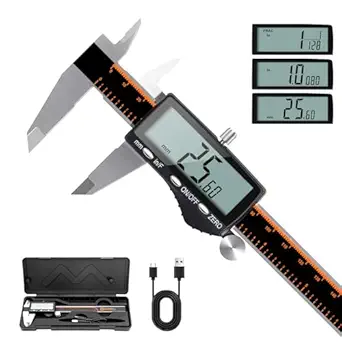
Choosing a Digital Caliper: What Matters for the ADORIC 6-Inch Carbon Fiber Model
When selecting a digital caliper like the ADORIC 0-6 inch model, the key factors extend beyond basic measurement range. This specific tool features a carbon fiber construction and a large LCD screen, which directly impact its durability and usability in workshop environments. Buyers should evaluate how these characteristics align with their precision needs and handling frequency.
Key Considerations Before Buying
- The carbon fiber composite body on this ADORIC model offers lighter weight and resistance to thermal expansion compared to stainless steel, but may have different wear characteristics on the measuring jaws.
- The auto-off function conserves battery life, a practical feature for intermittent users, but can be frustrating for extended sessions if the timeout period is too short—check reviews for user feedback on this specific behavior.
- The advertised inch/mm conversion is standard, but the true test is the repeatability and consistency of measurements at the extremes of its 150mm range, especially after repeated use.
What Our Analysts Recommend
For digital calipers, consistent zeroing ability and smooth rack-and-pinion movement are critical quality indicators. Specifically for this ADORIC model, examine user feedback on the LCD screen's visibility under various shop lighting conditions and the feel of the thumb roller. A quality tool should return to zero reliably without excessive play in the slide.
Digital Calipers Market Context
Market Overview
The sub-$50 digital caliper market is crowded, with many offerings sharing similar specifications but varying significantly in build quality and sensor reliability. The ADORIC model competes directly with other composite-body calipers, positioning itself as a lightweight alternative to all-metal tools.
Common Issues
Common problems in this category include premature battery drain from poor auto-off implementation, inaccurate measurements due to dirt on the capacitive sensor strip, and jaw misalignment from dropped or mishandled tools. Plastic or composite frames can also develop hairline cracks near the slider if overtightened.
Quality Indicators
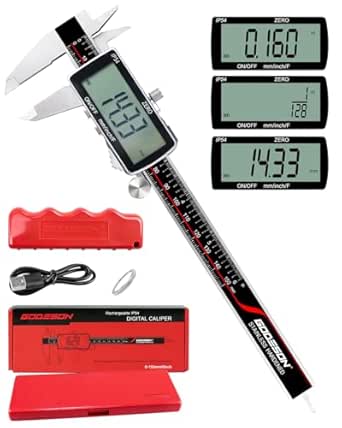
Look for mentions of the IP54 rating (if applicable) for dust/moisture resistance, the quality of the etched scale on the beam, and the material of the measuring jaws—hardened stainless steel jaws on a composite frame, as on this ADORIC, suggest better long-term wear resistance.
Review Authenticity Insights
Grade B Interpretation
A Grade B with an estimated 15% fake review rate indicates a generally trustworthy review pool for this ADORIC caliper, but suggests a moderate level of promotional content. The adjusted rating of 4.20/5, down from 4.56/5, is a more reliable indicator of genuine user satisfaction.
Trust Recommendation
Focus on verified purchase reviews that describe specific use cases like machining, 3D printing, or woodworking. For this product, pay particular attention to reviews discussing long-term durability over months of use, as these are less likely to be fabricated.
Tips for Reading Reviews
Prioritize reviews that mention the carbon fiber's feel compared to metal, the actual battery life with the auto-off feature, and any issues with the LCD screen in bright light. Be skeptical of reviews that only praise packaging or delivery speed without detailing measurement performance.
Expert Perspective
The ADORIC digital caliper presents a compelling value proposition based on the authenticity-adjusted 4.20 rating from a substantial review base. Its carbon fiber construction is a distinct feature that appeals to users seeking a lightweight tool for frequent handling, though it may not offer the same heft or 'feel' as a full stainless steel caliper. The high number of genuine reviews suggests widespread real-world testing, and the consistent praise for the large LCD screen indicates a well-executed core feature. However, the product exists in a competitive tier where minor differences in sensor accuracy or build tolerances significantly impact user experience.
Purchase Considerations
Consider this ADORIC model if your primary needs are general workshop measurements, hobbyist projects, or any application where tool weight is a factor. It may be less suitable for high-precision machining environments where the thermal stability of stainless steel or higher IP-rated protection is required. The auto-off feature is ideal for casual users but could interrupt workflow for professionals.
Comparing Alternatives
Shoppers should compare this model's performance in reviews against similar offerings from iGaging, Neiko, or VINCA, specifically regarding measurement consistency and battery access.