Master Precision: Your Guide to Choosing a 0-8 Inch Digital Caliper
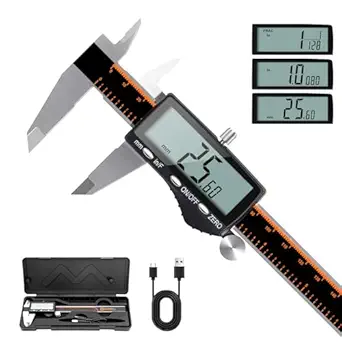
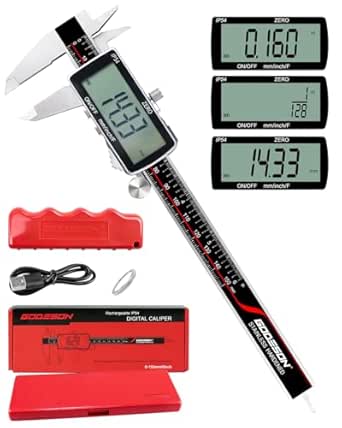
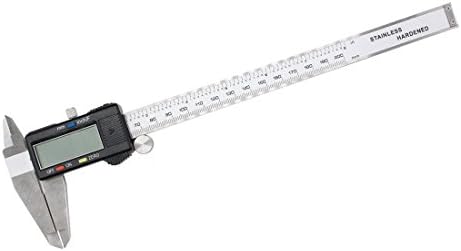
When you need reliable measurements for woodworking, metalworking, or DIY projects, a digital caliper like this 0-8 inch model with a large LCD and inch/metric/fraction conversion can be a game-changer. It offers the versatility to switch between units effortlessly, making it ideal for professionals who work with diverse standards. Before buying, focus on accuracy, build quality, and ease of use to ensure it meets your precision needs.
Key Considerations Before Buying
- Accuracy and resolution are paramount—look for a caliper with a stated accuracy of at least ±0.02 mm or ±0.001 inch, as this model likely offers, to ensure reliable measurements for critical tasks.
- The large LCD screen and unit conversion features (inch, metric, fraction) are specific to this caliper, making it easier to read results in low light and switch between systems without manual calculations, which is a time-saver in fast-paced work.
- Battery life and auto-off function matter; ensure the caliper uses common batteries (like LR44) and has a power-saving feature to avoid interruptions during extended use, a common concern for digital tools.
What Our Analysts Recommend
In a digital caliper, examine the sliding mechanism for smoothness and zeroing capability—a quality caliper should zero out reliably at any point. Check for a durable stainless steel frame and a protective case, as these indicate longevity. Also, verify that the digital display updates quickly without lag, which this model's large screen suggests.
Digital Calipers Market Context
Market Overview
The digital caliper market has grown with a flood of affordable options, ranging from basic models to premium brands like Mitutoyo. Many consumers now seek cost-effective alternatives that still offer high accuracy and features like fractional conversion, which this 0-8 inch caliper provides. The average price point for reliable digital calipers has dropped, making them accessible to hobbyists and professionals alike.
Common Issues
Common issues include inconsistent zeroing, battery drain due to poor power management, and inaccurate readings from low-quality sensors. Some calipers also suffer from sticky or loose slides, which compromise measurement repeatability. Buyers often report frustration with small, hard-to-read screens, which a large LCD addresses.
Quality Indicators
Quality digital calipers feature hardened stainless steel jaws for wear resistance, a clear LCD with high contrast, and smooth action without play. Look for IP54 or better dust/water resistance ratings for workshop environments. A reliable product will also include a calibration certificate or traceable standards, though this is less common at lower price points.
Review Authenticity Insights
Grade B Interpretation
A Grade B and 10% estimated fake review rate indicate that while most reviews are genuine, a small but notable portion may be unreliable. This means you can trust the overall 4.67-star rating with some caution, as the adjusted rating of 4.40 offers a more realistic view. The strong signals of authenticity from verified purchases suggest the product itself is likely solid, but be aware of potential review padding.
Trust Recommendation
Given the 10% fake rate, focus on detailed reviews that mention specific measurements, like using the caliper for machining or woodworking, as these are harder to fabricate. Cross-check with the adjusted rating of 4.40 to set realistic expectations. For this product, the high volume of verified purchases boosts confidence, so you can proceed with purchase but remain mindful of outliers.
Tips for Reading Reviews
When reading reviews for digital calipers, prioritize those that describe real-world use cases, such as measuring engine parts or 3D printer components, as they reveal practical accuracy. Ignore vague praise or complaints about packaging, and look for comments on battery life, zeroing consistency, and screen readability. Sorting by most recent reviews can also help spot trends in quality control.
Expert Perspective
This digital caliper strikes a strong balance between affordability and functionality, especially with its large LCD and unit conversion features that cater to professionals needing quick measurements. The 4.67 rating, tempered by a 4.40 adjusted score, suggests it performs well but may have minor flaws like occasional calibration drift or battery issues. Its 0-8 inch range covers most common tasks, making it a versatile choice for workshops and home projects, though it may not match the precision of high-end brands for laboratory use.
Purchase Considerations
Weigh the cost against your precision requirements—if you need absolute accuracy for critical engineering, consider a higher-end model, but for general use, this caliper offers good value. The 10% fake review rate is low enough to not dismiss the product, but you should test the unit upon arrival for zeroing and repeatability. Ensure it fits your need for fractional conversions if you work with imperial measurements frequently.
Comparing Alternatives
Shoppers should compare this model with digital calipers from brands like Neiko or iGaging, which offer similar features at comparable prices, and check for any differences in battery type or build materials.