
GM TPMS Sensor Replacement: What Buick, Cadillac, Chevrolet and GMC Owners Need to Know
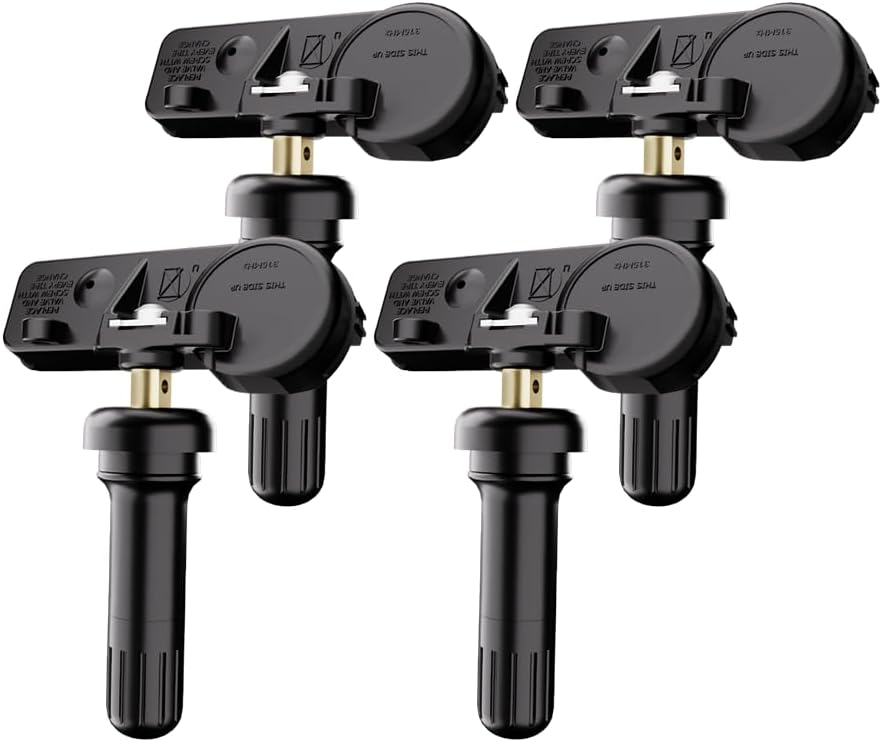
When replacing TPMS sensors on GM vehicles, compatibility with your specific model year and programming requirements are critical. This 4-pack of 315MHz sensors covers OE numbers 13586335, 13598771, 13598772, and 13581558, making them suitable for many 2007-2015 GM vehicles, but verification against your VIN is essential before purchase.
Key Considerations Before Buying
- Confirm your vehicle's exact OE part number through a dealership parts desk or VIN decoder, as GM used multiple sensor designs across model years with different programming protocols.
- These are universal sensors requiring professional programming to match your vehicle's BCM—budget for installation costs unless you have access to a compatible TPMS tool like a Tech 2 or Autel.
- Check whether your vehicle requires rubber snap-in valves or metal clamp-in valves; this kit typically includes both styles, but valve stem corrosion on older wheels may necessitate replacement.
What Our Analysts Recommend
Quality aftermarket GM TPMS sensors should feature corrosion-resistant nickel-plated brass valve stems and use automotive-grade lithium batteries rated for 5-10 years. Look for sensors that maintain signal integrity at highway speeds, as some cheaper units experience signal dropout above 65 mph.
Tire Pressure Monitoring System (TPMS) Market Context
Market Overview
The aftermarket TPMS sensor market has matured significantly, with quality alternatives now available for 30-50% less than dealership parts. For GM vehicles specifically, 315MHz sensors dominate 2007+ models, creating consistent demand for replacement sets as original sensors reach their 7-10 year battery lifespan.
Common Issues
The most frequent installation problems involve programming failures with certain scan tools or compatibility mismatches with early CANbus systems. Some users report sensors failing to wake from sleep mode during programming, requiring specific trigger procedures with tire pressure changes.
Quality Indicators
Reliable GM-compatible sensors will specify exact programming protocols supported (like GDS2/SPS compatibility) and include detailed installation guides addressing common programming issues. Quality packaging should include valve stem seals, valve cores, and caps—missing these indicates corner-cutting.
Review Authenticity Insights
Grade B Interpretation
A Grade B with 11% estimated fake reviews indicates generally trustworthy feedback with some manipulation. The 0.24-point drop from the displayed 4.44 to adjusted 4.20 rating suggests mild review inflation, but verified purchase reviews dominate the dataset.
Tips for Reading Reviews
Prioritize Canadian reviews mentioning winter temperature performance, as cold weather affects sensor battery life and signal transmission. Look for reviews detailing long-term performance (6+ months) rather than initial installation impressions alone.
Expert Perspective
With an adjusted 4.20/5 rating from predominantly verified purchases, these sensors represent a solid value alternative to OEM parts for compatible GM applications. The specific OE number coverage suggests proper reverse-engineering of GM's communication protocols, though programming remains mandatory. The rating consistency across 381 reviews indicates reliable performance when correctly installed, though the slight rating inflation warrants cautious evaluation of overly enthusiastic reviews.
Purchase Considerations
Factor in professional programming costs ($20-50 per sensor at most shops) when comparing against dealership prices. Consider purchasing from sellers offering warranty coverage matching the expected 5-year sensor battery life, as premature failure indicates inferior components.
Comparing Alternatives
Compare programming requirements and valve stem types against competing sets from Schrader or Dorman, as some aftermarket sensors offer easier programming sequences for specific model years.


