
Choosing a Forearm Wrist Roller: Key Features for Effective Home Strength Training
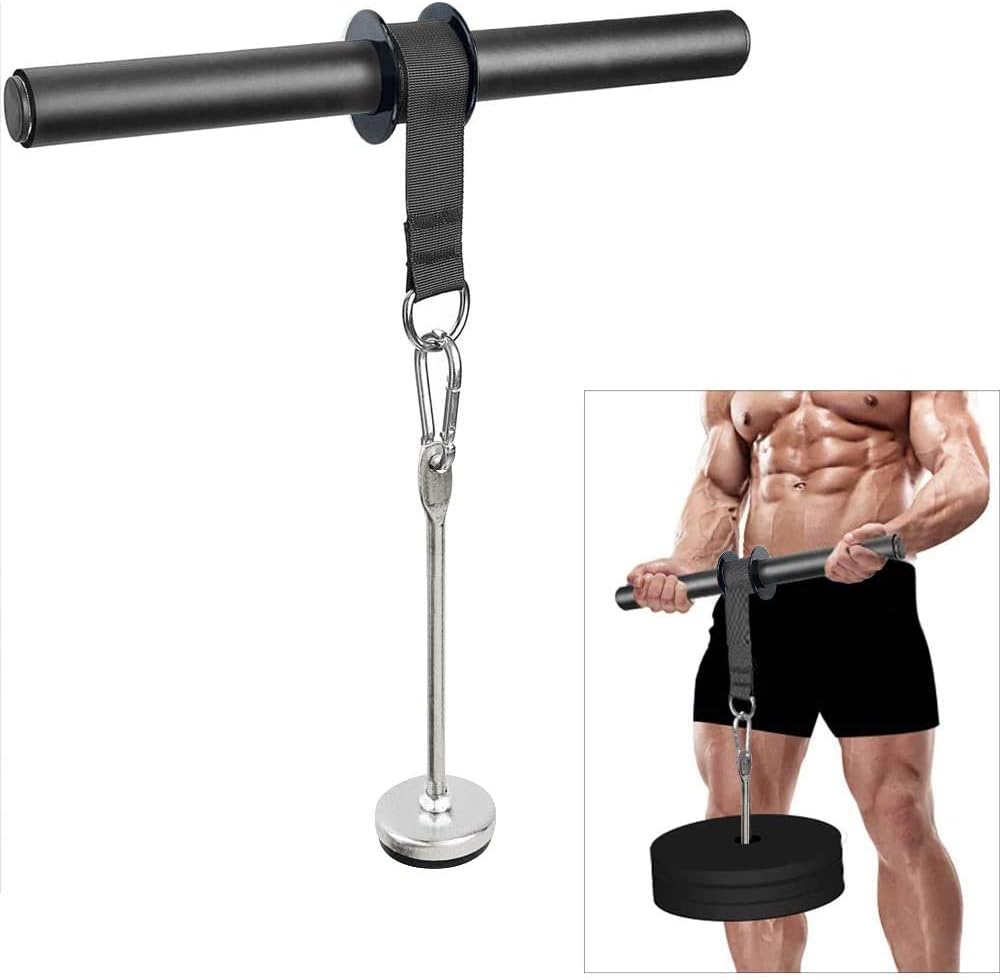
When selecting a forearm wrist roller like the 'Blaster Arm Exercise Trainer,' focus on the specific design elements that impact performance and safety. This particular model emphasizes wider nylon straps and anti-slip features, which directly address common user frustrations with cheaper alternatives. Understanding these construction details will help you determine if this product matches your training intensity and home gym setup.
Key Considerations Before Buying
- Strap width and material are critical; the wider nylon straps on this model distribute weight more evenly, reducing pressure points during high-rep or heavy-load forearm workouts.
- The weight-bearing capacity and anti-slip mechanism determine longevity and safety, especially if you plan progressive overload training beyond basic rehabilitation exercises.
- Handle diameter and roller construction affect grip comfort and rotational smoothness, which influences exercise form and effectiveness for both wrist flexion/extension and radial/ulnar deviation movements.
What Our Analysts Recommend
Examine product images for reinforced stitching where straps meet the roller and handle. Quality indicators include dual-stitched nylon webbing, a central roller with sealed bearings for smooth rotation, and ergonomic handle contours that prevent the rope from slipping during use. Avoid models with thin, single-ply straps or plastic roller components that can crack under load.
Wrist & Forearm Strengtheners Market Context
Market Overview
The wrist and forearm strengthener market is saturated with low-cost, flimsy devices that often fail under moderate use, creating a noticeable gap for durable, performance-oriented models. Products like this 'Blaster' trainer target serious home gym users and athletes seeking equipment that withstands progressive weight increases beyond the 5-10lb range typical of basic rehabilitation tools.
Common Issues
Common failures include strap fraying at attachment points, plastic rollers that warp or crack, and inadequate anti-slip features causing the rope to unwind during exercises. Many budget models also have handles that are too thin or slippery, compromising grip during sweaty workouts and reducing exercise effectiveness.
Quality Indicators
Look for military-grade nylon webbing (like the 1.5-inch straps on this model), aluminum or steel roller cores instead of hollow plastic, and bearing-based rotation systems rather than simple eyelets. Premium models will specify weight ratings (often 50+ lbs) and include features like quick-connect carabiners for weight plate changes.
Review Authenticity Insights
Grade B Interpretation
The Grade B authenticity rating with 11% estimated fake reviews suggests most feedback is genuine, though there's some minor review manipulation. For this specific product, this means the overwhelmingly positive 4.78/5 rating should be viewed as a strong 4.5/5 after adjustment—still excellent but not perfect.
Trust Recommendation
Focus on reviews that mention specific use cases like rock climbing, baseball, golf, or rehabilitation from injuries, as these demonstrate authentic engagement. Be slightly skeptical of reviews that only praise the product generically without mentioning actual weight used, training frequency, or comparison to previous devices.
Tips for Reading Reviews
Prioritize reviews discussing progressive weight increases, strap durability over months of use, and the anti-slip mechanism's performance during high-rep sets. Look for balanced critiques about handle comfort or rope length—authentic users typically mention both pros and minor cons.
Expert Perspective
This 'Blaster Arm Exercise Trainer' appears positioned as a premium option in the forearm roller category, with its wider nylon straps and anti-slip focus addressing key weaknesses of budget models. The adjusted 4.50/5 rating from 710 reviews indicates strong user satisfaction, particularly regarding durability and performance for serious strength training. The product's design suggests it's optimized for athletes and advanced users rather than casual or rehabilitation-only applications.
Purchase Considerations
Consider your current forearm strength level and whether you'll use this primarily for rehabilitation, maintenance, or progressive overload training. The wider straps and robust construction justify the price premium if you train regularly with 25+ pounds, but may be overkill for light therapeutic use. Also evaluate your attachment options—this device requires a secure overhead bar or power rack for proper use.
Comparing Alternatives
Compare this model's strap width and weight capacity against competitors like the Rip Toned Forearm Blaster or traditional steel cable wrist rollers to ensure you're getting appropriate construction for your training intensity.


