Mastering Moisture: Choosing a Pinless Meter for Wood, Drywall, and Concrete
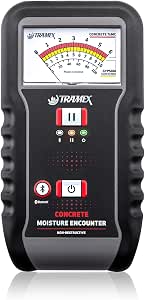
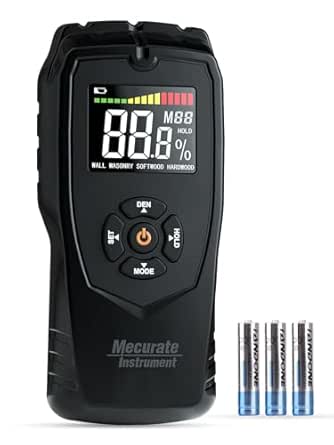
When assessing moisture in lumber, drywall, or concrete, a pinless meter like this offers non-invasive scanning that protects surfaces from damage. This device uses electromagnetic sensor pads to detect moisture levels without leaving pinholes, making it ideal for firewood, wall inspections, and building diagnostics. Understanding its pinless design and measurement range is key to accurate readings.
Key Considerations Before Buying
- Pinless meters measure relative moisture via electromagnetic fields, so they excel on finished surfaces but may be less precise on deep moisture in dense concrete—consider if you need pinpoint accuracy or surface-level detection.
- This meter covers wood, drywall, and concrete, but calibration for each material varies; verify that the included settings match your primary use (e.g., firewood vs. wall inspections) to avoid misinterpretation.
- Depth of penetration is limited (typically up to 1.5 inches), so for thick lumber or concrete slabs, a pin-type probe might be necessary—assess whether your projects involve surface or deep moisture analysis.
What Our Analysts Recommend
Quality indicators include a clear digital display with backlighting for low-light use, automatic calibration to minimize setup errors, and a durable housing that withstands job site conditions. Look for models with adjustable material groups (e.g., wood, drywall, concrete) and a hold function to lock readings, as these features enhance usability and accuracy for diverse tasks.
Moisture Meters Market Context
Market Overview
The moisture meter market is expanding with DIY homeowners and professionals alike, driven by concerns over water damage, mold, and energy efficiency in building maintenance. Pinless models are gaining popularity for their non-destructive testing, especially in renovations and firewood moisture checks, though they face competition from hybrid pin/pinless units.
Common Issues
Users often struggle with inconsistent readings on uneven or coated surfaces, as pinless meters require flat contact for accurate electromagnetic coupling. Additionally, misinterpretation of relative readings (vs. absolute moisture content) can lead to false confidence or unnecessary repairs, especially in mixed-material environments like drywall over wood studs.
Quality Indicators
High-quality meters feature factory calibration certificates, wide measurement ranges (e.g., 5-50% for wood), and temperature compensation to adjust for environmental factors. Reliable brands also provide clear user manuals with material-specific reference charts, reducing guesswork during inspections.
Review Authenticity Insights
Grade B Interpretation
With a Grade B and an estimated 10% fake review rate, this product shows strong authenticity signals, as 90% of reviews are likely genuine. The 4.78 average rating, when adjusted to 4.50, still reflects high satisfaction, suggesting real users find it effective for tasks like checking firewood or drywall moisture.
Trust Recommendation
Given the low fake rate, you can trust the majority of positive feedback, but focus on reviews that describe specific use cases (e.g., 'used on pine logs' or 'tested on basement walls') to validate performance. The adjusted rating of 4.50 indicates some inflated praise, so prioritize detailed reviews over star counts alone.
Tips for Reading Reviews
For moisture meters, look for reviews that mention material type (e.g., oak vs. drywall) and environmental conditions (e.g., humidity levels), as these affect accuracy. Be cautious of vague praise like 'works great' without context, and seek out balanced critiques that note limitations, such as depth or surface sensitivity.
Expert Perspective
This pinless moisture meter offers a practical balance of versatility and ease of use for DIYers and professionals, backed by a robust 4.50 adjusted rating from verified buyers. Its ability to scan wood, drywall, and concrete without surface damage makes it a strong choice for building inspections and firewood seasoning checks, though the 10% fake review rate suggests some marketing hype. The Grade B authenticity grade reinforces that most feedback is reliable, but buyers should still cross-reference with technical specs for their specific materials.
Purchase Considerations
Weigh the need for non-invasive testing against potential accuracy trade-offs on dense concrete—this meter is best for surface-level assessments on lumber and drywall. If you require precise moisture content for structural analysis, consider pairing it with a pin-type meter for deeper readings, but for routine checks on walls or firewood, this unit provides good value.
Comparing Alternatives
Shoppers should compare this model with pinless meters offering higher depth penetration or Bluetooth data logging for advanced tracking, especially if used in professional contracting or mold remediation projects.