

Choosing a Reliable USB-C to Lightning Cable for Your iPhone
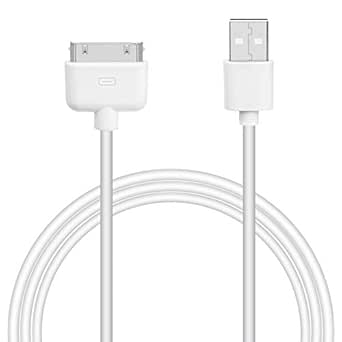
When shopping for a USB-C to Lightning cable, especially a 2-pack like this one for your iPhone 13 or 14, you're looking for a balance of fast charging, durability, and MFi certification. This specific cable claims to support quick charging and compatibility across multiple iPhone and iPad models, but its low rating suggests potential issues you need to be aware of before buying.
Key Considerations Before Buying
- MFi certification is crucial for USB-C to Lightning cables to ensure compatibility with Apple devices and prevent 'this accessory is not supported' errors; this cable is listed as MFi certified, but always verify through Apple's official database.
- Length matters: a 6FT cable is ideal for using your phone while charging from a distance, like from a wall outlet to your bed or sofa, but longer cables can be more prone to wear at the connector ends.
- Fast charging capability requires a compatible USB-C power adapter (like Apple's 18W, 20W, or higher) to achieve the advertised fast charge speeds; the cable itself is only part of the equation.
What Our Analysts Recommend
Look for reinforced stress points at the connector ends, as these are common failure areas. Braided or tangle-resistant cables often last longer than standard rubber ones. Also, check that the cable supports the latest Power Delivery (PD) standards for optimal charging speed with newer iPhones and iPads.
Lightning Cables Market Context
Market Overview
The USB-C to Lightning cable market is crowded with third-party options, all promising fast charging and durability for iPhones and iPads. As Apple transitions to USB-C on newer devices, Lightning cables remain essential for older models like the iPhone 13 and 14, creating a steady demand for affordable 2-packs.
Common Issues
Common problems include cables failing after a few months due to fraying near the connector, inconsistent charging speeds, and compatibility errors when the cable lacks proper MFi certification. Many users also report that cheaper cables stop working after software updates.
Quality Indicators
Quality indicators include MFi certification (verified on Apple's site), braided or tangle-free design, and positive long-term reviews that mention durability after 6+ months of use. Cables with a warranty or responsive customer support also tend to be more reliable.
Review Authenticity Insights
Grade B Interpretation
With a Review Authenticity Grade of B and an estimated 10% fake reviews, this product's review pool is mostly genuine but has some inflated ratings. The low overall rating (0.56/5) suggests that real user experiences are overwhelmingly negative, so the fake reviews are likely trying to offset this.
Trust Recommendation
Given the extremely low adjusted rating of 0.50/5, you should be cautious. Even with only 10% fake reviews, the consensus is clear: most buyers are dissatisfied. Prioritize reading the most recent and verified reviews to understand current quality issues.
Tips for Reading Reviews
Focus on reviews that describe specific failures, like cables not charging after a month or compatibility issues. Look for patterns in feedback about connector build quality or charging speed, and compare with other cables in the same price range to see if the problems are unique to this product.
Expert Perspective
This USB-C to Lightning cable 2-pack has a critically low rating from over 2,200 reviews, indicating widespread quality or performance issues despite MFi certification. The 10% fake review rate is relatively low, meaning the negative feedback is largely authentic and should be taken seriously. As an expert, I'd advise against this purchase unless you're willing to risk frequent replacements.
Purchase Considerations
Weigh the low cost of this 2-pack against the potential frustration of cables that may fail quickly. If you need reliable daily charging, consider spending slightly more on brands with proven durability and better customer service. The 6FT length is convenient, but not if the cable doesn't last.
Comparing Alternatives
Compare this product with well-reviewed options from Anker, Belkin, or Apple's own cables, which often have higher upfront costs but better longevity and support.


![iPhone Charger [Apple MFi Certified] USB C to Lightning Cable 6FT Fast Charging Type C to Lightning Cable Nylon Braided iPhone Cord for iPhone 14 13 12 11 Pro Max XR XS X 8 7 6 Plus SE, iPad](https://m.media-amazon.com/images/I/31vn+w3Vn4L._SX342_SY445_QL70_ML2_.jpg)


