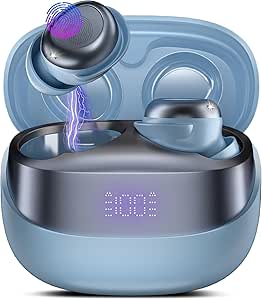
USB-C Earbuds for Samsung, Pixel & iPhone: What to Check Before Buying
If you're eyeing these magnetic in-ear USB-C earbuds for your Galaxy S26 Ultra or iPhone 15, you're part of a growing shift toward wired digital audio. Unlike traditional analog 3.5mm buds, USB-C earbuds rely on a built-in DAC, so sound quality and compatibility hinge on the chip and driver design. This guide focuses on the specific trade-offs you'll face with a multi-device USB-C earbud like this one.
Key Considerations Before Buying
- Device compatibility: While the title lists a wide range of Samsung, Pixel, and iPhone models, USB-C audio isn't universal—some devices (especially older Android phones) may lack proper USB-C audio output, so verify your specific model supports digital audio over USB-C.
- Magnetic earbuds: The magnetic in-ear design is convenient for tangle-free storage and quick around-the-neck wear, but ensure the magnets are strong enough to hold the buds together securely without pulling them apart from your ears during movement.
- Microphone quality: With a built-in mic, expect calls to be functional but potentially less clear than dedicated headsets; check if the mic is inline or on the earbud, as that affects pickup distance and wind noise.
What Our Analysts Recommend
Look for earbuds with a high-quality DAC chip (like those from Realtek or Synaptics) to ensure consistent sound across devices. Check for inline controls that are responsive and a cable that's durable but not overly stiff. Also, consider the driver size—typically 10mm or larger for better bass—and whether the ear tips come in multiple sizes for a secure, comfortable fit.
Headphones Market Context
Market Overview
The USB-C headphone market is expanding as smartphone brands drop the 3.5mm jack, but it's a niche segment dominated by budget and mid-range options. Many consumers are switching from dongle-based solutions to dedicated USB-C earbuds for convenience, yet the category still faces compatibility fragmentation across Android and iOS devices.
Common Issues
The most frequent complaints in this category include inconsistent volume levels between devices, poor microphone performance in noisy environments, and earbuds that fall out of the ear due to poorly designed tips. Additionally, some USB-C earbuds have a short cable length or lack an in-line remote, which can be frustrating for everyday use.
Quality Indicators
Quality USB-C earbuds will have a robust braided cable, reinforced connectors at both ends, and clear L/R channel separation. Look for products that explicitly mention support for your specific phone model, as that indicates the manufacturer has tested for compatibility. Also, check for a warranty or return policy, as it signals confidence in the product.
Review Authenticity Insights
Grade B Interpretation
The Grade B and 15% estimated fake review rate mean that while the product has a solid 4.22-star average, a portion of those reviews may be inflated. This is typical for budget electronics, but it suggests you should weigh the 3.90 adjusted rating more heavily, as it filters out suspicious reviews for a more realistic picture.
Trust Recommendation
Given the 15% fake review rate, focus on verified purchase reviews with detailed personal experiences, especially those that mention specific phone models and testing scenarios. Be cautious of overly short, repetitive five-star reviews that lack specifics, as they are more likely to be incentivized or fabricated.
Tips for Reading Reviews
When scanning reviews for this type of product, sort by 'Most Recent' to see current quality, and look for reviews that discuss compatibility issues with your exact phone model. Also, note any patterns in negative reviews—if multiple users mention the same flaw (e.g., mic picking up background noise), it's likely a real issue.
Expert Perspective
This product appears to be a decent budget option for USB-C earbuds, with a genuine 4.22 rating that drops to 3.90 after adjusting for fake reviews—still respectable. The magnetic design and broad device compatibility are strong selling points, but the 15% fake review rate and lack of detailed product specifics (like driver size or DAC chip) warrant caution. It's likely fine for casual listening, but audiophiles or heavy call users may want to look elsewhere.
Purchase Considerations
Weigh the convenience of universal USB-C compatibility against potential trade-offs in sound isolation and mic quality. If you're a frequent traveler or use your earbuds for work calls, prioritize models with better noise cancellation or a dedicated mic boom. For basic music and podcasts, this could be a solid value, especially if the price is under $30.
Comparing Alternatives
Before committing, compare with similar USB-C earbuds from known brands like Anker or Google, which may offer better build quality and support, even if they cost a bit more. Also, consider whether you really need magnetic earbuds—if not, you might find better sound for the same price.