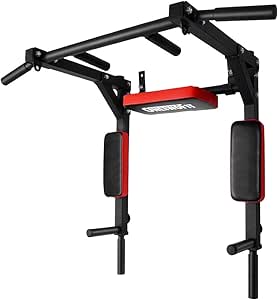
Choosing a Doorway Pull-Up Bar: What the Ally Peaks Model Gets Right
The Ally Peaks Pull Up Bar distinguishes itself with a patented superposition structure and multi-level width adjustment, specifically engineered for varied doorway frames. Buyers should focus on how its 1.7mm chrome steel construction and 500lb capacity translate to real-world stability and safety, beyond just the specifications.
Key Considerations Before Buying
- Doorframe compatibility is paramount; this bar's multiple-level adjustment system is designed to accommodate both wide and narrow doorframes without requiring permanent installation or drilling.
- The 1.7mm chrome steel superposition structure is a key design feature for distributing weight; assess whether your intended exercises (like kipping pull-ups) align with this fixed, non-pivoting design.
- The 180-day money-back guarantee is unusually long for this category, offering significant risk mitigation to test the bar's fit and finish in your specific home environment.
What Our Analysts Recommend
For doorway bars, scrutinize reviews mentioning 'creaking,' 'slipping,' or 'doorframe damage'—these are failure points. A quality indicator for the Ally Peaks is feedback on the effectiveness of its rubberized end caps and the security of its width-locking mechanism under dynamic load.
Pull-Up Bars Market Context
Market Overview
The doorway pull-up bar market is saturated with near-identical designs, making patented features like the Ally Peaks' superposition structure a meaningful differentiator. Products increasingly compete on adjustment range and claimed weight capacity, with 400-500lbs becoming a common benchmark.
Common Issues
Universal complaints include marring doorframes, instability during kipping movements, and difficulty achieving a secure fit in non-standard trim. Many bars fail at the adjustment mechanism, leading to gradual slippage and user anxiety.
Quality Indicators
Look for specific mention of steel gauge (1.7mm here), the design of the load-bearing contact points, and the quality of the foam or rubber grips. A US Patent, while not a guarantee, often signals a deliberate engineering attempt to solve common problems.
Review Authenticity Insights
Grade B Interpretation
A Grade B with an 11% estimated fake review rate suggests a generally trustworthy review pool with a moderate level of potentially inauthentic praise. The adjusted rating of 4.20, down from 4.44, indicates the genuine consensus is still strong but slightly more critical.
Trust Recommendation
Prioritize reviews that discuss long-term use (beyond 30 days), specific doorway types (e.g., 'rounded trim,' 'metal frame'), and include photos or videos. Be slightly more skeptical of 5-star reviews lacking specific details about installation or performance.
Tips for Reading Reviews
For this product, pay special attention to 3 and 4-star reviews; they often contain the most nuanced feedback on the adjustment process and durability. Cross-reference mentions of the 'superposition structure' to see if the patented design delivers tangible stability benefits.
Expert Perspective
The Ally Peaks bar presents a compelling case based on review authenticity and specific engineering claims. Its core value proposition—the adjustable superposition structure for varied doorframes—addresses a primary pain point in the category. The high weight capacity and extended guarantee suggest manufacturer confidence. However, the design's fixed nature may not suit users seeking a bar with rotational grips for varied hand positions.
Purchase Considerations
Weigh the importance of the no-drill, multi-width installation against your need for gymnastic-style movement. This bar is best for strict pull-ups, chin-ups, and knee raises. If your doorframes have fragile or ornate trim, the extended return policy is a critical safety net.
Comparing Alternatives
Shoppers should compare the locking mechanism and grip comfort of the Ally Peaks directly against competitors like the Perfect Fitness Multi-Gym or the Sportsroyals door bar.