
Phase Change vs. Silicone Paste: Choosing the Right Thermal Interface for Your Device
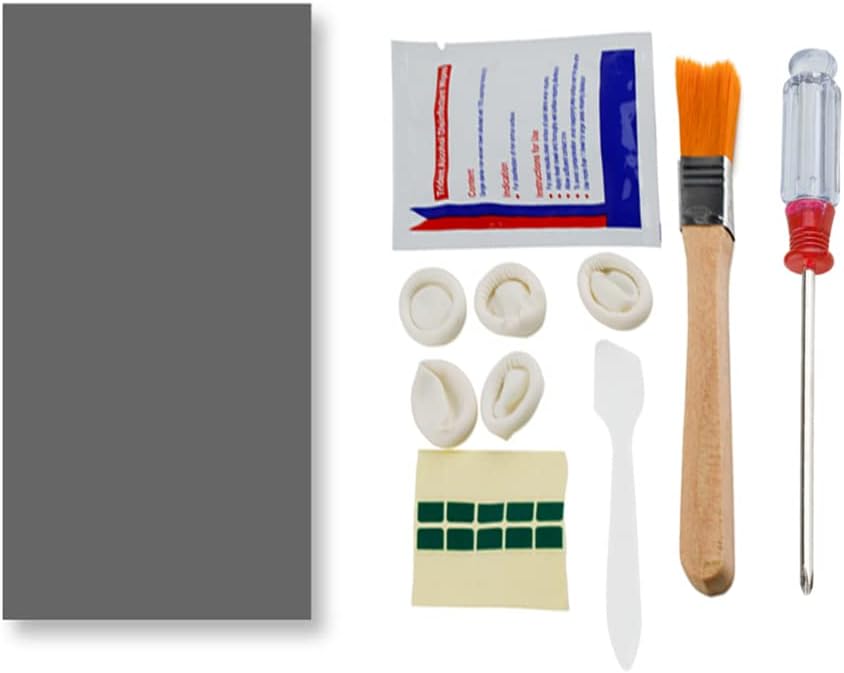
This JOYJOM bundle presents two distinct thermal solutions: a PTM7950 phase change pad and an 8.5W/mK silicone paste. The 40x80x0.25mm PTM7950 pad is engineered for applications where pump-out is a concern, like laptop GPUs, while the paste suits traditional CPU heat sinks. Understanding their different use cases is crucial for optimal cooling performance.
Key Considerations Before Buying
- The PTM7950 pad's phase change property means it transitions from solid to semi-liquid under heat, filling microscopic gaps better than traditional pads and resisting the 'pump-out' effect common in mobile devices with thermal cycling.
- The 0.25mm thickness is critical; it's designed for tight-tolerance applications like the Steam Deck or PS5 APU where clearance is minimal. Using an incorrect thickness can impede contact or cause mounting pressure issues.
- The included 8.5W/mK paste is a high-conductivity silicone compound suitable for desktop CPUs or components with larger, flatter surfaces, but its performance differs fundamentally from the phase change material.
What Our Analysts Recommend
For phase change pads like the PTM7950, verify the specified application temperature range where it transitions. For paste, check viscosity and whether it's non-conductive to prevent short circuits. In this bundle, ensure the pad's adhesive backing is properly protected and the paste syringe is sealed to prevent curing.
Thermal Pads Market Context
Market Overview
The thermal interface market is segmented between traditional pastes/greases, silicone pads, and advanced phase change materials (PCMs) like PTM7950. PCMs are gaining popularity for compact electronics due to their longevity, addressing a key pain point in devices like gaming laptops and handheld consoles where traditional paste degrades faster.
Common Issues
Users often misapply products, using paste on components that need pad conformity or vice versa. With pads, incorrect thickness is a frequent error leading to poor thermal transfer or physical damage. For pastes, over-application can insulate rather than conduct heat, and pump-out remains a chronic issue in systems with significant thermal expansion.
Quality Indicators
Genuine PTM7950 should have a consistent, dry-to-the-touch sheet appearance before application. High-quality pastes maintain consistent viscosity and do not separate. Reputable suppliers provide clear datasheets on thermal conductivity (like the stated 8.5W/mK) and operating parameters, not just marketing claims.
Review Authenticity Insights
Grade B Interpretation
A Grade B with an 11% estimated fake review rate suggests a generally trustworthy review pool with a minor but notable level of potentially inauthentic feedback. The adjusted rating of 4.50/5 (down from 4.78) indicates the genuine user consensus remains strongly positive, but slightly more critical.
Trust Recommendation
Focus on reviews that detail specific installation scenarios (e.g., 'replaced the stock paste on my Steam Deck APU') and mention long-term results over weeks or months. Be slightly more skeptical of overly vague 5-star reviews that lack technical context, as they may constitute part of the estimated 11%.
Tips for Reading Reviews
Prioritize reviews that discuss both products in the bundle separately, noting performance differences. Look for mentions of handling characteristics—like how the PTM7950 sheet is cut and applied—and temperature delta comparisons (idle vs. load) rather than just 'it runs cooler.'
Expert Perspective
This bundle is a strategic offering for enthusiasts servicing compact, high-performance electronics. The PTM7950 component is the standout, targeting a specific niche where traditional thermal solutions fail due to pump-out. The high 4.50 adjusted rating from verified purchasers strongly suggests it delivers on its primary promise for devices like the Steam Deck and PS5. The inclusion of a standard high-performance paste makes it a versatile toolkit, though the two materials serve different purposes and should not be viewed as direct substitutes.
Purchase Considerations
Consider this bundle if you are repasting a device with a bare die and minimal mounting pressure (like a laptop GPU) or a device known for pump-out issues. It is less essential for standard desktop CPU coolers with strong mounting mechanisms. Ensure the 40x80mm pad size and 0.25mm thickness match your device's requirements before purchasing.
Comparing Alternatives
Shoppers should compare single-product listings for PTM7950 or other PCMs (like Honeywell TPM) and high-end pastes (like Thermal Grizzly Kryonaut) to assess value versus buying this dual-product bundle.
![Aairhut 4 Pack 13 W/m.K Thermal Pads, 100 x 100 mm x [0.5 mm+1 mm+1.5 mm+2 mm] Silicone Cooling Pad Non Conductive Heat Resistance Extreme Odyssey Cover with Dual Self-Adhesive Films for PC Laptop PS4](https://m.media-amazon.com/images/I/31n7GBS4ErL._SX342_SY445_QL70_FMwebp_.jpg)


