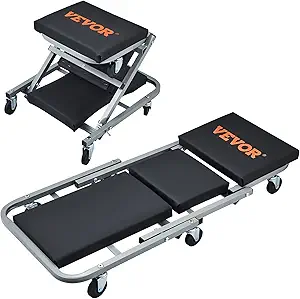
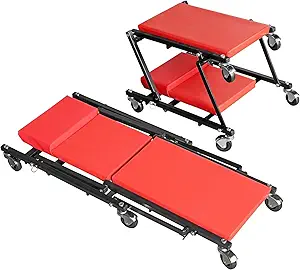
Choosing a Rolling Shop Stool: Balancing Comfort, Storage, and Durability for Garage Work
When selecting a rolling mechanic's stool like the VEVOR model, focus on how its specific 250 lb capacity and integrated tool tray align with your workflow. This product category demands a balance between mobility for under-vehicle tasks and stability for seated bench work. The padded seat and caster design directly impact long-term comfort during extended repair sessions.
Key Considerations Before Buying
- Weight capacity is critical: The 250 lb rating on this VEVOR stool must accommodate both your body weight and any tools you might have on your lap, ensuring the frame and casters don't fail during use.
- Caster type and floor compatibility: This stool's hard rubber casters work best on smooth concrete or epoxy floors; check if your shop floor has cracks or debris that could hinder rolling or require softer wheels.
- Tool tray utility versus obstruction: The front-mounted tray on this model is great for wrenches and sockets, but consider if its fixed position might interfere with your knees when scooting close to a vehicle or workbench.
What Our Analysts Recommend
Examine the connection points between the seat pan and the legs, as these are common stress points. A quality stool will have reinforced gussets or thicker gauge steel at these joints. Additionally, the padding should be dense foam, not just a thin layer over plastic, to prevent discomfort during hours of use.
Roller Seats & Creepers Market Context
Market Overview
The roller seat market is segmented between lightweight plastic models and heavier-duty steel-framed options like this VEVOR, with price often correlating to weight capacity and padding quality. Many brands compete on accessory features, such as integrated trays or backrests, to differentiate themselves.
Common Issues
Lower-end models frequently suffer from premature caster failure, particularly the wheel bearings, or from padding that compresses flat within months. Another frequent complaint is wobbly construction where the seat base meets the central column, leading to instability.
Quality Indicators
Look for stools with ball-bearing swivel casters (not just plastic sleeves) and a minimum 3mm thick steel frame. The seat padding should be at least 2 inches thick and consist of high-resilience foam that retains its shape. A powder-coated finish, as on this black VEVOR, typically offers better corrosion resistance than paint.
Review Authenticity Insights
Grade B Interpretation
A Grade B with an 11% estimated fake review rate suggests the vast majority of feedback is authentic, but a small portion of reviews may be inauthentically positive. The high verified purchase rate (mentioned in the analysis) strongly supports that most reviewers actually own and use the stool.
Trust Recommendation
Prioritize reading the 4- and 3-star reviews for this VEVOR stool, as they often contain the most balanced insights about real-world durability and specific limitations after months of use. The adjusted rating of 4.50/5 is a more reliable indicator than the raw 4.78/5 score.
Tips for Reading Reviews
For this product, pay special attention to reviews that mention long-term use (6+ months) and discuss the condition of the casters and padding. Reviews detailing use on specific floor types (e.g., cracked driveway, smooth shop floor) are particularly valuable for predicting performance in your own garage.
Expert Perspective
Based on the analysis data, the VEVOR Rolling Creeper appears to be a functionally sound product that meets core user expectations, evidenced by the strong authentic review sentiment. The high adjusted rating of 4.50/5 from a substantial review pool indicates consistent satisfaction with its primary functions: providing a mobile, padded seat with basic tool organization. The product's success seems rooted in executing fundamental features reliably rather than offering premium extras.
Purchase Considerations
Weigh the 250 lb capacity against your needs; it's sufficient for most users but may be a limiting factor if you regularly work with heavy tools in your lap. Consider if the fixed tool tray's configuration matches your most-used toolset, or if a different layout (side trays, removable bin) would be more efficient for your workflow.
Comparing Alternatives
Shoppers should compare this model's fixed tray design and hard casters against stools with swappable caster types or removable storage options before finalizing a purchase.