
Z-Wave Input Modules: What Smart Home DIYers Need to Know
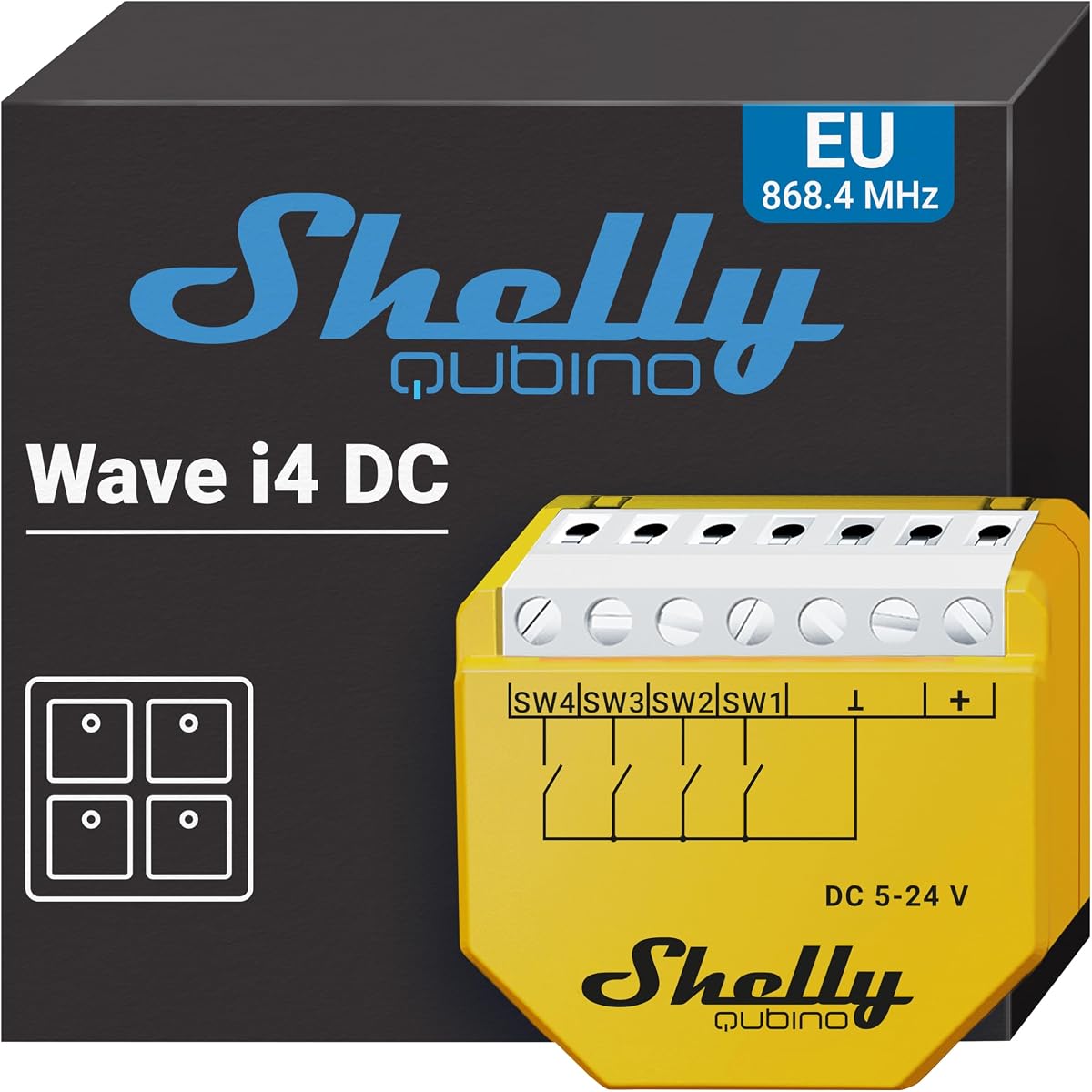
The Shelly Wave i4DC is a specialized Z-Wave module that turns four low-voltage DC inputs (5–24 V) into smart, remotely controllable triggers, requiring a separate Z-Wave gateway. Unlike plug-in relays, it is designed for installers integrating dry contacts, sensors, or momentary switches into a centralized smart home system.
Key Considerations Before Buying
- Confirm your Z-Wave gateway supports multi-channel input devices and the specific command classes used by the Wave i4DC; without a compatible hub, the module cannot be configured or controlled.
- The 5–24 V DC input range is not mains voltage, so this module is unsuitable for switching 120/240 V AC loads directly; it is intended for low-voltage signal integration.
- Plan for the 12 click actions and scene triggers: these require a Z-Wave gateway that can receive and interpret central scene commands, which some older hubs may not fully support.
What Our Analysts Recommend
Look for a module that clearly states its input voltage range, Z-Wave frequency (important for Canada), and gateway compatibility. Quality Z-Wave devices list supported command classes and firmware update capability, and they come from brands with a track record of secure, interoperable implementations.
Hubs & Controllers Market Context
Market Overview
The smart home hub and controller market is maturing, with Z-Wave remaining a leading protocol for reliable, low-power mesh networks. Demand is shifting from simple plugs to modular input/output devices that let users integrate existing sensors, alarms, and dry contacts into a unified system.
Common Issues
A frequent complaint in this category is poor documentation and unclear gateway compatibility, leading to devices that pair but do not expose all features. Another issue is range and interference in Z-Wave mesh networks, which can make setup frustrating for beginners.
Quality Indicators
Quality Z-Wave modules are certified (Z-Wave Plus), have clear wiring diagrams, and are supported by multiple gateway ecosystems. Brands that provide firmware updates and active community forums are a strong sign of long-term reliability.
Review Authenticity Insights
Grade A Interpretation
An A authenticity grade with an estimated 8% fake review rate indicates that the vast majority of the 29 reviews are genuine. The adjusted rating of 4.80/5 remains exceptionally high, suggesting that real users are highly satisfied with the product's performance and reliability.
Trust Recommendation
You can trust the overall sentiment, but be aware that a small fraction of reviews may be inauthentic. Focus on detailed reviews that mention specific integration scenarios, gateway models, or installation challenges, as these are harder to fake and more useful for your decision.
Tips for Reading Reviews
Look for reviews that describe the reviewer's Z-Wave setup, firmware version, and how they use the 12 click actions; these details indicate genuine hands-on experience. Also, note that reviews in multiple languages (Swedish, Italian, French) are typical for international Z-Wave products and not a red flag.
Expert Perspective
The Shelly Wave i4DC fills a niche for advanced smart home users who need to integrate low-voltage DC inputs into a Z-Wave network. Its 5–24 V DC range, 4 independent inputs, and support for 12 click actions make it a flexible tool for custom scenes and remote control. The high adjusted rating and authentic review base suggest it performs reliably when paired with a compatible gateway. However, it is not a standalone device and requires technical know-how to install and configure.
Purchase Considerations
Before buying, verify that your Z-Wave gateway supports multi-channel input devices and central scene commands. Consider whether you need AC switching instead, as this module only handles DC signals. Also, check the Z-Wave frequency for Canada (908.42 MHz) to ensure compatibility.
Comparing Alternatives
Shoppers should compare with other Z-Wave input modules, such as those from Fibaro or Qubino, which may offer different input counts or voltage ranges. Also consider Wi-Fi or Zigbee alternatives if your smart home ecosystem is not Z-Wave based.


