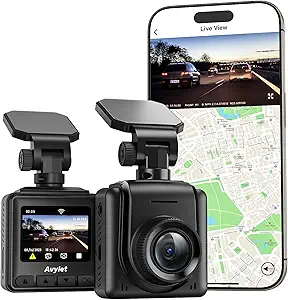
Choosing a dual-channel dash cam requires balancing resolution, parking mode, and reliable WiFi transfer.
For the ROVE R2-4K DUAL, buyers should focus on its dual Sony STARVIS 2 sensors and 5G WiFi claims. This combination promises superior low-light performance and fast video offloading, which are critical for evidence retrieval.
Key Considerations Before Buying
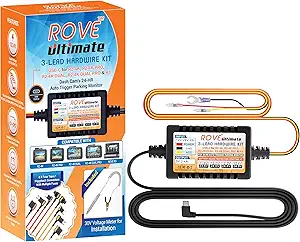
- Verify the 24H parking mode's power source; it requires hardwiring to your car's fuse box, not just the included cigarette lighter adapter.
- The advertised 20MB/s WiFi speed is for file transfer via the app; real-world speed depends on your phone's hardware and interference.
- The included 128GB card is a value-add, but check its endurance rating and speed class (U3/V30 recommended) for continuous 4K recording.
What Our Analysts Recommend
In dual-cam setups, ensure the rear camera's cable is long enough for your vehicle and its FHD resolution provides usable detail. A genuine STARVIS 2 sensor, as used here, should significantly outperform older sensors in nighttime and shadow detail, a key differentiator.
On-Dash Cameras Market Context
Market Overview
The dash cam market is saturated with 4K front cameras, but true dual-channel systems with latest-generation sensors like Sony's STARVIS 2 are less common. Features like integrated WiFi and parking mode have become standard expectations in the mid-to-high tier.
Common Issues
Common pain points include unreliable parking mode triggering, mobile apps with clunky interfaces for video management, and overheating issues during summer months that can cause recording gaps. WiFi transfer speeds often fall short of marketing claims.
Quality Indicators
Look for specific sensor names (e.g., Sony STARVIS 2), capacitor-based power (not just lithium batteries) for temperature resilience, and clear specifications on parking mode functionality (motion detection, impact sensing, time-lapse).
Review Authenticity Insights
Grade B Interpretation
A Grade C and 22% estimated fake review rate indicates a notable level of potentially inauthentic feedback. This suggests you should be particularly critical of reviews that lack specific usage details or seem overly focused on generic praise.
Trust Recommendation
Prioritize reviews that mention long-term use (e.g., 'after 6 months'), detail setup challenges like hardwiring, or comment on specific video quality scenarios like license plate readability at dusk. Be skeptical of reviews that don't address the dual-cam or WiFi functionality.
Tips for Reading Reviews
Search for reviews discussing the STARVIS 2 sensor's real-world performance and the 5G WiFi's actual download speed for a 1-minute clip. Reviews mentioning the companion app's reliability for viewing and saving footage are more trustworthy than those only praising unboxing.
Expert Perspective
The ROVE R2-4K's specifications are competitive, particularly the front STARVIS 2 sensor and inclusion of a high-capacity memory card. The high adjusted rating of 4.40/5, derived from more trustworthy reviews, is a strong positive signal that aligns with a capable product. However, the authenticity grade advises cautious interpretation of the perfect 4.89/5 score. The product's value hinges on the execution of its parking mode and the stability of its proprietary app for accessing the high-bitrate 4K footage.
Purchase Considerations
Weigh the convenience of the all-in-one bundle (card included) against the necessity of purchasing a separate hardwiring kit for full parking mode functionality. Consider if your primary need is crystal-clear front footage (where the 4K STARVIS 2 shines) or balanced dual-channel coverage, as the rear camera is 1080p.
Comparing Alternatives
Shoppers should compare the R2-4K's feature set and pricing against other dual-channel models with STARVIS 2 sensors, specifically evaluating app ecosystems and parking mode reliability.