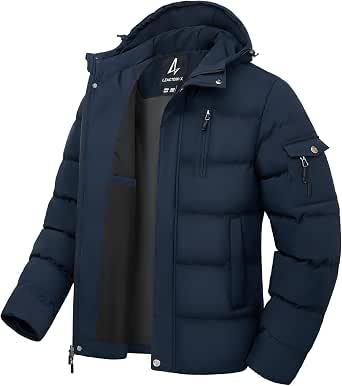
Picking a Packable Puffer That Actually Performs
A lightweight packable puffer like the Pioneer Camp men's jacket is designed for travel, layering, and unpredictable shoulder-season weather. But not all down-alternative fills are equal, and the difference between a jacket you'll wear constantly and one that sits in your closet often comes down to loft, shell fabric, and packability.
Key Considerations Before Buying
- Fill weight and loft matter more than the marketing term 'down alternative' — synthetic fills like polyester clusters vary widely, and a higher fill weight (typically 100–200g) delivers more warmth without much added bulk. Look for stated fill weights since they're a better warmth indicator than puffiness alone.
- Water repellency is usually a DWR (durable water repellent) coating rather than a fully waterproof membrane, so it handles light rain and snow but will wet out in sustained downpour. If you'll be in heavy rain, this jacket works best as a mid-layer under a shell.
- Packability claims depend on how tightly the jacket compresses and whether it includes a stuff sack — check for a stow pocket or included pouch, since some 'packable' jackets only fold into their own pocket and still take up meaningful space.
What Our Analysts Recommend
Check the shell fabric denier (higher denier like 20D+ resists snags better than ultralight 7–10D shells), the zipper quality (YKK or comparable), and whether seams are quilted or welded to prevent fill migration. A good hood with adjustment and elasticized cuffs are small details that separate a functional jacket from a fashion piece.
Down Alternative Market Context
Market Overview
The down-alternative puffer market has exploded as synthetic fills improve and consumers seek cruelty-free, moisture-tolerant warmth at lower price points than premium down. Budget-friendly brands like Pioneer Camp compete largely on value, packability, and versatility rather than extreme cold-weather performance.
Common Issues
A frequent complaint with budget down-alternative jackets is fill migration — synthetic clusters shifting and creating cold spots over time — along with shells that snag easily or DWR coatings that wear off after a few washes. Sizing inconsistency is also common in this category, particularly with imported brands.
Quality Indicators
Quality down-alternative jackets typically use baffled or quilted construction to keep fill distributed, have a smooth-gliding main zipper with a chin guard, and list specific fill weights or types. Washability matters too — a jacket that survives repeated washing without clumping retains its warmth far longer.
Review Authenticity Insights
Grade A Interpretation
An A authenticity grade with an estimated 8% fake review rate is a strong signal — this means roughly 92% of reviews are likely genuine, and the adjusted 4.70/5 rating (versus the raw 4.89) suggests only a modest inflation effect. For a budget outerwear item, this level of review integrity is above average.
Trust Recommendation
You can reasonably trust the aggregate rating here, but focus on reviews that mention specific use cases like travel, layering, or temperature ranges rather than one-line praise. The 559-review volume is substantial enough that patterns in the feedback are meaningful.
Tips for Reading Reviews
For puffer jackets, prioritize reviews that discuss warmth in specific temperatures, how the jacket holds up after washing, and whether sizing ran true. Photos from reviewers showing the jacket worn in real conditions are especially useful for judging fit and puffiness.
Expert Perspective
The Pioneer Camp packable puffer sits in the value tier of the down-alternative market, where the tradeoff is typically between price and long-term durability rather than outright warmth. Its high adjusted rating and verified-purchase review base suggest it delivers on basic expectations for travel and layering use. However, buyers should temper expectations around extreme cold performance — this is a 3-season or layering jacket, not a deep-winter standalone coat.
Purchase Considerations
Weigh how you'll actually use it: as a packable travel layer, it's likely a solid budget pick; as a primary winter coat in a cold climate, you may want something with a higher fill weight. Also confirm the return policy, since fit issues are the most common reason budget outerwear gets returned.
Comparing Alternatives
Compare this jacket against other packable down-alternative options in the same price range, paying attention to fill weight and shell durability — small spec differences often matter more than brand names at this price point.