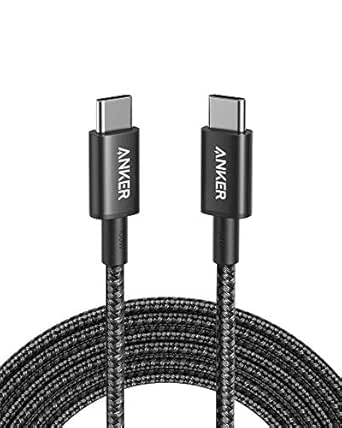
240W USB-C Cable Buying Guide: Power, Durability, and E-Marker Essentials
When shopping for a high-wattage USB-C cable like the INIU 240W 6.6ft model, understanding power delivery (PD) specs and E-marker chips is crucial. This cable promises to handle up to 240W, which is essential for charging powerful laptops and fast-charging smartphones, but not all cables are created equal.
Key Considerations Before Buying
- Wattage and E-Marker: Ensure the cable has an E-marker chip to safely negotiate power up to 240W; without it, the cable may only support lower wattages and could be unsafe for high-power devices.
- Length vs. Power Loss: Longer cables (like 6.6ft) can experience voltage drop, so look for thicker gauge wires (e.g., AWG) that minimize resistance and maintain fast charging speeds over distance.
- Durability: Check for reinforced stress points at the connectors and braided or high-quality outer sheathing to withstand bending and daily wear, especially if you use it while traveling or in tight spaces.
What Our Analysts Recommend
In this category, look for cables that explicitly state USB-IF certification or compliance with the USB PD 3.1 standard, as this ensures safety and performance. Also, verify that the cable supports data transfer speeds (e.g., USB 2.0 vs. USB 3.2) if you need more than charging, and read user feedback about long-term reliability.
USB Cables Market Context
Market Overview
The USB-C cable market is rapidly evolving with the adoption of USB PD 3.1, enabling up to 240W for high-end gaming laptops and monitors. Many brands now offer high-wattage cables, but quality varies significantly, with some failing to meet advertised specs or lacking proper E-markers.
Common Issues
Common problems include cables that overheat under high load, break at the connector after a few months, or fail to deliver the promised wattage due to thin wires. Additionally, some cables are not backward compatible with older devices, causing confusion.
Quality Indicators
Quality indicators include certifications (USB-IF, CE, RoHS), use of high-quality materials like nylon braiding and aluminum connectors, and positive user reviews that mention consistent performance over time. Also, check if the brand provides a warranty and responsive customer support.
Review Authenticity Insights
Grade B Interpretation
The Grade B authenticity rating and 10% fake review estimate suggest that while the majority of reviews are genuine, a small portion may be incentivized or unnatural. This is typical for popular electronics accessories, and the high adjusted rating of 4.60 still indicates strong real-world satisfaction.
Trust Recommendation
Given the relatively low fake percentage, you can trust the overall positive sentiment, but cross-reference reviews from verified purchasers and look for detailed experiences that mention specific devices and usage scenarios. Be cautious of overly short or repetitive five-star reviews.
Tips for Reading Reviews
When reading reviews for this cable, focus on comments about charging speed with various laptops (e.g., MacBook Pro, Dell XPS), durability after months of use, and any reports of overheating. Also, note any negative reviews about the cable not working with specific devices, which could indicate compatibility issues.
Expert Perspective
The INIU 240W USB-C cable appears to be a solid performer, backed by a high adjusted rating and genuine user testimonials that highlight its robust build and fast charging capabilities. The 6.6ft length is versatile for both desk and travel use, and the 240W support future-proofs your cable for upcoming high-power devices. However, the 10% fake review rate is a minor concern, but it doesn't undermine the overall consensus.
Purchase Considerations
Before buying, consider your current and future power needs: if you own a 140W laptop, this cable is overkill but still works fine; if you plan to upgrade to a 240W device, it's a wise investment. Also, check if the cable supports data transfer at the speed you need, as some high-power cables are limited to USB 2.0.
Comparing Alternatives
Shoppers should compare this with other premium brands like Anker or Belkin, which may offer similar specs but with different lengths or additional features like braided durability. Always verify the warranty and customer service reputation before finalizing your choice.