
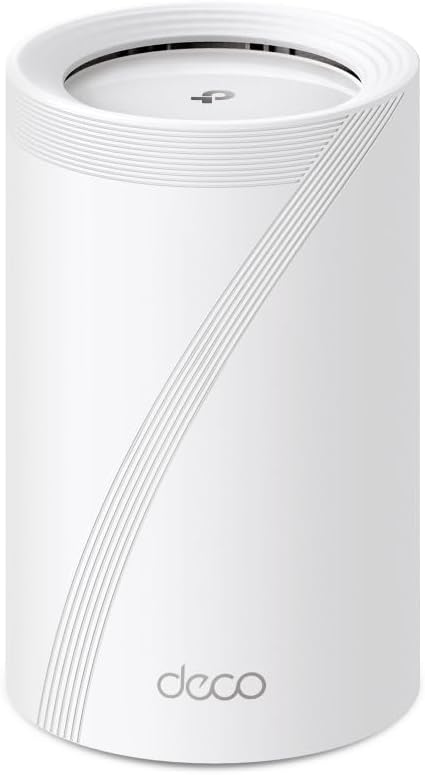
Evaluating WiFi 7 Mesh Routers: What the Deco BE65's 11 Gbps Speed Really Means
When considering the TP-Link Deco BE65, you're looking at an early WiFi 7 mesh router promising 11 Gbps throughput and 5,200 square feet of coverage from a single unit. Unlike previous WiFi 6 systems, this tri-band design includes a dedicated 6GHz band alongside AI-driven band steering, which fundamentally changes how devices connect. The four 2.5 Gbps Ethernet ports indicate this router is designed for homes with multi-gigabit internet connections or internal NAS systems.
Key Considerations Before Buying
- The '1-Pack' designation means this is a single router unit, not a multi-node mesh system; you'll need additional BE65 units for true mesh coverage beyond its 5,200 sq.ft. range.
- WiFi 7's 6GHz band requires compatible client devices (like newer smartphones and laptops) to achieve maximum speeds, while older devices will connect via 2.4GHz or 5GHz bands.
- The four 2.5 Gbps Ethernet ports are unusual for consumer routers and suggest this unit targets users with fiber internet, gaming rigs, or home servers needing wired backhaul.
What Our Analysts Recommend
Quality in WiFi 7 routers shows in consistent 6GHz band performance and intelligent band steering that actually reduces congestion. Look for reviews mentioning specific speed tests with WiFi 7 devices, not just theoretical maximums. The Deco BE65's HomeShield security should offer meaningful parental controls and device monitoring, not just basic firewall protection.
Whole Home & Mesh Wi-Fi Systems Market Context
Market Overview
WiFi 7 routers represent the bleeding edge of consumer networking, with only a handful of manufacturers like TP-Link, ASUS, and Netgear offering compatible models in early 2024. The Deco BE65 sits in the premium single-unit segment, competing against other WiFi 7 routers rather than traditional mesh systems. This category is transitioning from WiFi 6E, with the key differentiator being Multi-Link Operation (MLO) that allows simultaneous connections across multiple bands.
Common Issues
Early WiFi 7 adopters often report compatibility problems with older devices and inconsistent 6GHz range due to higher frequency signal attenuation through walls. Some systems struggle with the AI band steering, incorrectly prioritizing devices or creating connection drops when switching bands. The premium pricing ($400+ CAD range) also creates expectations that aren't always met in real-world performance versus lab testing conditions.
Quality Indicators
Genuine quality in this category shows through detailed third-party speed tests, consistent firmware updates addressing early adopter issues, and intelligent management of the three radio bands. Look for systems that balance raw throughput with reliable whole-home coverage, not just peak speeds measured in ideal conditions. The Deco BE65's tri-band design should demonstrate clear advantages over dual-band WiFi 6 systems in congested network environments.
Review Authenticity Insights
Grade B Interpretation
The Grade B authenticity rating with 11% estimated fake reviews indicates generally trustworthy feedback, though you should approach the most glowing 5-star reviews with some skepticism. The adjusted 4.10/5 rating (down from 4.33/5) suggests genuine users are slightly less enthusiastic than the overall average implies. This authenticity level is typical for newly launched premium tech products where manufacturers might seed some early positive reviews.
Trust Recommendation
Focus on reviews that mention specific use cases like gaming latency, 4K streaming performance, or compatibility with particular internet providers (like Bell Fibe or Rogers Ignite). Be particularly attentive to reviews discussing firmware updates or technical support experiences, as these are harder to fake. The 95-review count is modest for a product at this price point, so consider waiting for more long-term usage reports.
Tips for Reading Reviews
For WiFi 7 routers, prioritize reviews that specify testing equipment (like 'tested with iPhone 15 Pro' or 'connected to 1.5 Gbps Bell fiber'), as these demonstrate actual usage scenarios. Look for mentions of specific performance metrics ('450 Mbps in basement office') rather than vague praise. Reviews discussing setup complexity, app functionality, or technical support interactions typically indicate genuine purchaser experiences.
Expert Perspective
The Deco BE65 represents TP-Link's aggressive entry into the WiFi 7 market, offering future-proof specifications at a premium price point. The 4.10 adjusted rating from verified purchasers suggests solid but not exceptional real-world performance, which aligns with early adopter experiences in this category. The router's four 2.5 Gbps ports and tri-band design position it for tech-heavy households, though the single-unit '1-Pack' configuration means most users will need additional units for true whole-home mesh coverage. The AI-driven band management shows promise but requires WiFi 7 client devices to realize full benefits.
Purchase Considerations
Only consider this router if you have multi-gigabit internet service (1.5 Gbps or higher) or plan to upgrade within the router's lifespan, as its capabilities exceed typical Canadian broadband speeds. The 6GHz band's shorter range makes this unit better suited for open-concept homes rather than multi-story dwellings with many walls. Evaluate whether your current devices support WiFi 7 or if you're buying primarily for future compatibility.
Comparing Alternatives
Compare the Deco BE65 against other WiFi 7 systems like the ASUS RT-BE96U and Netgear Nighthawk RS700S, particularly regarding long-term firmware support and mesh expandability options.


