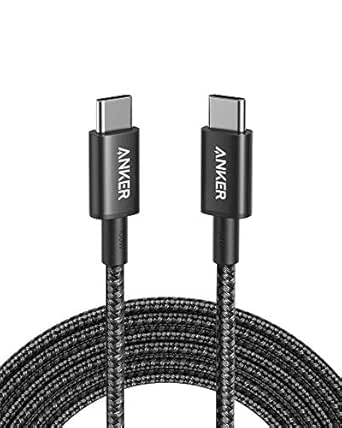
Coiled USB-C Car Cable: What to Know Before You Buy
A coiled USB-A to USB-C cable for CarPlay and fast charging seems simple, but real-world performance varies. This guide covers the key factors that determine whether a coiled cable will reliably connect your phone and charge it quickly in your car.
Key Considerations Before Buying
- Coiled cables must balance stretch and retraction: a spring that's too stiff won't reach your phone, while one that's too loose may sag or tangle. Look for a coil that extends to at least 1.5–2 feet and returns to a compact shape.
- CarPlay requires a data connection, not just power. Ensure the cable supports USB 2.0 data transfer (480 Mbps) and is certified for CarPlay; otherwise, your head unit may not recognize the phone.
- Fast charging depends on both the cable and your car's USB port. This cable supports up to 3A, but if your car's port only outputs 1A, you won't get fast charging. Check your vehicle's port specs.
What Our Analysts Recommend
Quality indicators include 22–24 AWG power wires for efficient charging, aluminum or nylon-braided connectors for durability, and strain relief at the joints. A cable that is too thin may overheat or fail to maintain a stable data connection.
USB Cables Market Context
Market Overview
The USB-C cable market is flooded with options, but car-specific coiled cables are a niche segment catering to drivers who want a tidy, tangle-free setup. Demand has grown with the ubiquity of CarPlay and Android Auto, but quality varies widely among no-name brands.
Common Issues
Common complaints include intermittent CarPlay disconnects, slow charging due to high resistance, and coils that lose their shape over time. Some cables also lack proper shielding, causing interference with other car electronics.
Quality Indicators
Look for cables with explicit CarPlay certification, AWG specifications, and a warranty. Reviews that mention long-term durability and consistent data transfer are good signs. Avoid cables that only advertise charging without mentioning data.
Review Authenticity Insights
Grade A Interpretation
The B grade means most reviews are genuine, but about 15% show signs of being fake or low-effort. This is typical for budget electronics, where some sellers seed reviews to boost ratings. The adjusted rating of 4.10/5 is more reliable than the 4.44/5 average.
Trust Recommendation
Trust the adjusted rating and focus on reviews with specific details about CarPlay functionality and charging speed. Be wary of generic praise and check the reviewer's history if possible. Overall, the product appears legitimate but not flawless.
Tips for Reading Reviews
For USB cables, prioritize reviews that mention the car model, phone model, and specific issues like connection drops or heat. Look for patterns: multiple reports of the same problem indicate a real flaw. Ignore reviews that only say 'works great' without context.
Expert Perspective
This coiled USB-C cable is a practical solution for drivers who want a neat CarPlay setup. With a 4.10 adjusted rating from 264 reviews, it's likely a reliable choice, but the 15% fake review percentage suggests some quality control issues. The coiled design is a standout feature, but performance depends on your car's USB port and phone.
Purchase Considerations
Weigh the convenience of a coiled cable against potential limitations: it may not reach if your USB port is far from your phone mount. Also, verify that your car's USB port supports fast charging and data. If you need a longer cable, a straight one might be better.
Comparing Alternatives
Compare with other coiled CarPlay cables from brands like Anker or Belkin, which may offer better durability and certification. Also consider straight cables if you don't need the coiled feature.