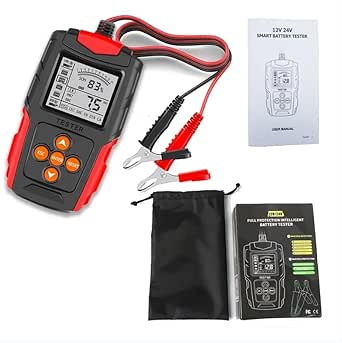
Choose a Brake Fluid Tester That Accurates and Endures
When maintaining your vehicle's braking system, a brake fluid tester pen is essential for checking moisture content, which degrades performance over time. This specific model features a corrosion-resistant probe and a screen display, calibrated for DOT3, DOT4, and DOT5.1 fluids, making it a versatile tool for DIYers and professionals alike. Understanding how to evaluate such testers ensures you invest in a reliable device that won't fail when you need it most.
Key Considerations Before Buying
- Probe durability is critical; a corrosion-resistant probe, like the one in this model, extends the tester's lifespan by preventing damage from reactive brake fluids, which can otherwise lead to inaccurate readings over time.
- Calibration compatibility matters—ensure the tester supports your vehicle's fluid type (DOT3, DOT4, or DOT5.1). This model's multi-standard calibration avoids the need for separate tools, saving money and storage space.
- Screen readability in various lighting conditions is vital for precise moisture level interpretation. A clear display with backlighting helps you read results quickly, especially in dimly lit garages or under the hood.
What Our Analysts Recommend
Quality brake fluid testers should have a robust build, with a sealed probe to prevent fluid ingress into the electronics. Look for models with an alarm or color-coded LED indicators for instant warnings, and check for user-adjustable calibration to maintain accuracy over time. A compact, pen-like design enhances portability and ease of use in tight spaces.
Diagnostic & Test Tools Market Context
Market Overview
The market for automotive diagnostic test tools has grown as more drivers perform routine maintenance at home. Brake fluid testers are now widely available, ranging from simple dipstick types to advanced electronic models with digital displays, offering varying levels of precision and durability.
Common Issues
Many budget testers suffer from inaccurate readings due to poor calibration or probe corrosion, leading to false confidence or unnecessary fluid changes. Additionally, some units have flimsy casings that crack under normal use, and others lack clear instructions for interpreting moisture percentages across different fluid types.
Quality Indicators
A high-quality brake fluid tester will feature a stainless steel or specially coated probe, a protective cap, and a replaceable battery. Look for models with positive user feedback on consistency, especially those that include a calibration check feature or come with a carrying case for storage.
Review Authenticity Insights
Grade B Interpretation
With a Grade B and an estimated 10% fake review rate, this product's reviews are mostly genuine but include a small number of potentially unreliable entries. This means you can generally trust the overall 4.4-star rating, but should approach overly glowing or vague reviews with caution, as they may be incentivized or fabricated.
Trust Recommendation
Given the moderate authenticity grade, focus on reviews that describe specific use cases, such as testing on different fluid types or after prolonged storage. Verified purchase tags and detailed feedback on the probe's corrosion resistance are strong signals of authenticity. Avoid relying solely on the average rating; read a handful of recent reviews to gauge real-world performance.
Tips for Reading Reviews
For diagnostic tools like this, look for reviews that mention the tester's accuracy compared to professional equipment or after multiple uses. Be skeptical of reviews that only praise the product without mentioning any minor drawbacks, as genuine experiences often include both pros and cons. Prioritize reviews from users who mention the specific fluid types they tested.
Expert Perspective
This brake fluid tester pen appears to be a solid choice for most DIY mechanics, offering a corrosion-resistant probe and multi-standard calibration at a competitive price point. The 4.4-star rating, supported by a largely authentic review base, suggests consistent performance, though the 10% fake review rate indicates some marketing noise. Its screen display and alarm feature provide clear feedback, making it user-friendly for those new to brake fluid testing, but the potential for fragility mentioned in some reviews warrants careful handling.
Purchase Considerations
Weigh the tester's compact design and probe durability against the need for long-term accuracy. If you frequently work on different vehicles with varying fluid types, this model's calibration for DOT3, DOT4, and DOT5.1 is a strong advantage. However, if you prioritize ruggedness or professional-grade precision, consider investing in a higher-end unit with a metal body and replaceable probe tips.
Comparing Alternatives
Shoppers should compare this model with other electronic testers that offer similar features, such as adjustable thresholds or data logging, to find the best fit for their specific maintenance routine and budget.