Tipsy M1: Bamboo Diaphragm IEMs – Warm Bass & Vocal Clarity Uncovered
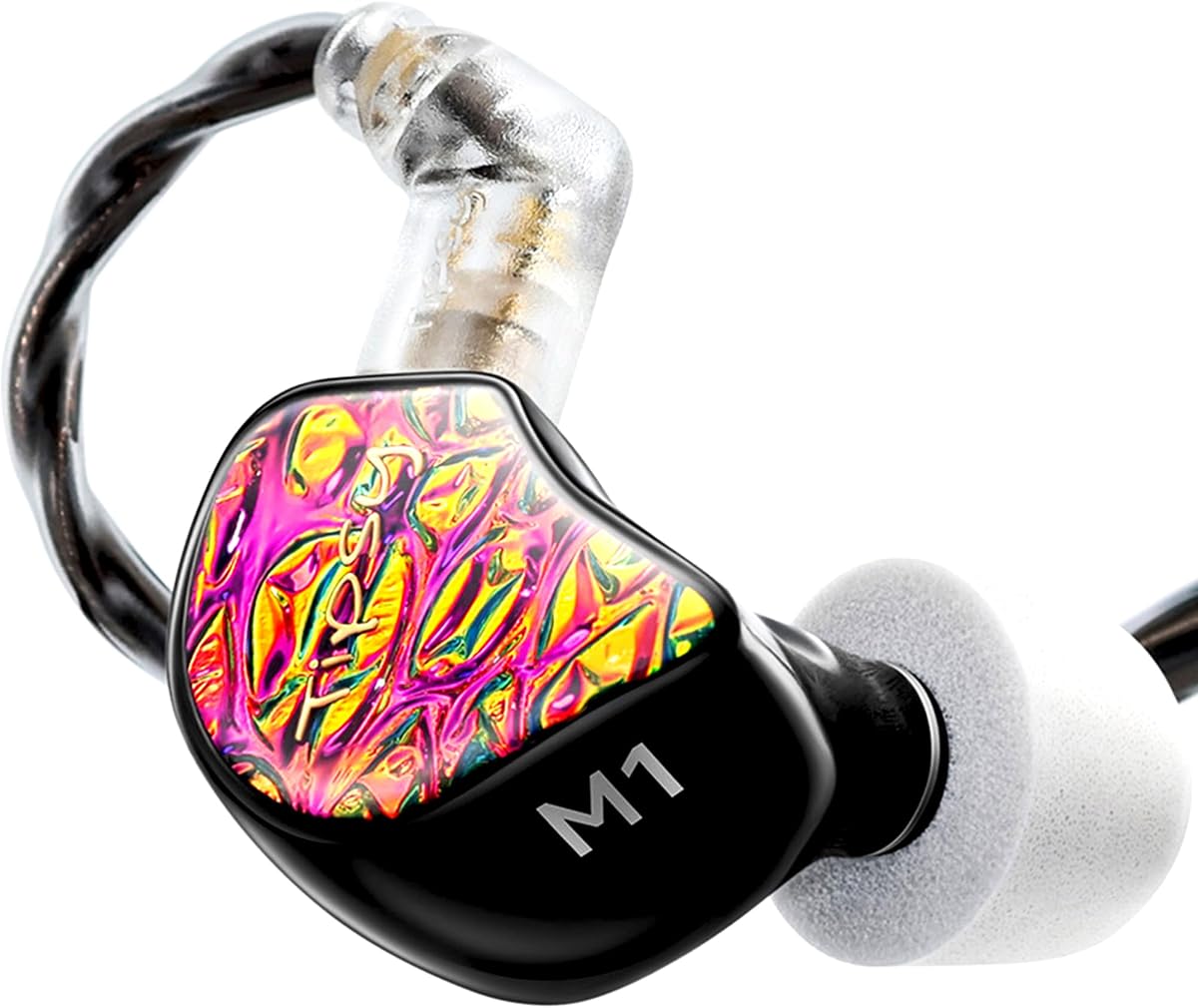
If you're exploring the world of in-ear monitors (IEMs) for high-fidelity audio on the go, the Tipsy M1 stands out with its unique bamboo fiber diaphragm, promising warm, lively bass and vocals. This guide helps you evaluate whether its specific driver material and design align with your listening preferences, especially if you prioritize natural timbre over analytical precision.
Key Considerations Before Buying
- Consider the bamboo diaphragm's impact on sound signature: It typically delivers a warmer, smoother tone with enhanced midrange presence, ideal for vocal-centric genres like jazz or acoustic, but may lack the crisp treble extension of metal-dome drivers.
- Assess the 36 dB noise isolation rating: This passive isolation is excellent for commuting or noisy environments, but remember it's achieved through a resin shell that must fit your ear canal snugly—consider if custom tips are needed for optimal seal.
- Evaluate the detachable 0.8 mm 2-pin cable: This standard connector allows easy cable upgrades or replacements, a key durability feature for IEMs, but ensure the cable's build quality (e.g., braided vs. rubber) matches your portability needs.
What Our Analysts Recommend
For IEMs, quality indicators include driver material consistency (bamboo diaphragms require precise manufacturing to avoid distortion), impedance matching with your source (low impedance models like the M1 pair well with phones), and shell ergonomics (resin should be lightweight and contoured). Also, check for consistent channel matching in reviews, as IEMs can vary between units.
Headphones Market Context
Market Overview
The IEM market has exploded with affordable options from Chi-Fi brands, offering audiophile-grade components like multi-driver setups and exotic diaphragms at under $200. The Tipsy M1 enters this space as a niche contender, leveraging bamboo—a material more common in over-ear headphones—to differentiate from ubiquitous balanced armature or dynamic drivers.
Common Issues
Common issues in budget IEMs include inconsistent sound signatures due to manufacturing tolerances, poor cable connectors that fail over time, and shells that cause discomfort during extended wear. Additionally, exaggerated bass or treble peaks can lead to listening fatigue, especially in models targeting mainstream appeal.
Quality Indicators
High-quality IEMs in this category exhibit tight driver control (no rattling at high volumes), consistent impedance across units, and robust build materials like reinforced resin or metal. Look for models with replaceable cables and nozzles, as these extend lifespan, and check for third-party measurements (e.g., frequency response graphs) to verify tonal balance.
Review Authenticity Insights
Grade B Interpretation
With an adjusted rating of 4.80/5 and a Grade B authenticity score (10% estimated fake reviews), the Tipsy M1's feedback is largely reliable but warrants caution. The 10% fake rate is low enough to trust the consensus, but it suggests a few reviews may be incentivized or from inexperienced users, slightly skewing the perfect 5.00 average.
Trust Recommendation
Focus on reviews with verified purchase badges and detailed descriptions of soundstage, bass texture, and fit—these are more likely genuine. Given the high genuine rating, the M1 likely delivers on its warm, lively promise, but cross-reference with professional reviews for objective frequency response data.
Tips for Reading Reviews
When reading reviews for IEMs, prioritize those that compare the product to other known models (e.g., 'similar to Moondrop Aria but warmer') and mention specific music tracks used for testing. Be skeptical of reviews that only praise bass without mentioning clarity or detail, as bamboo diaphragms can sometimes sacrifice resolution for warmth.
Expert Perspective
The Tipsy M1 offers a compelling value proposition for listeners seeking a non-fatiguing, warm sound signature, leveraging its bamboo diaphragm to deliver rich vocals and smooth bass that avoids the harshness of some budget IEMs. The 36 dB isolation and resin shell provide practical benefits for daily use, though the cable and fit may require aftermarket adjustments for some. Given the strong authenticity signals in reviews, the M1 appears to be a genuine performer in its price bracket, but its niche tuning means it's best suited for vocal-forward genres rather than analytical listening.
Purchase Considerations
Weigh the M1's warmth against your preferred sound signature—if you enjoy crisp treble or heavy sub-bass, consider alternatives like the Moondrop Aria or 7Hz Zero. Also, factor in the need for a good seal to achieve its rated isolation; if you have small ear canals, the included tips may not suffice.
Comparing Alternatives
Shoppers should compare the Tipsy M1 with similarly priced IEMs like the Tin HiFi T3 Plus or the KZ ZS10 Pro, which offer different driver configurations (e.g., hybrid or multi-BA) for varied sound profiles, ensuring you find the best match for your library.