
Evaluating Red Light Therapy Masks: Key Factors for At-Home Skin Treatment
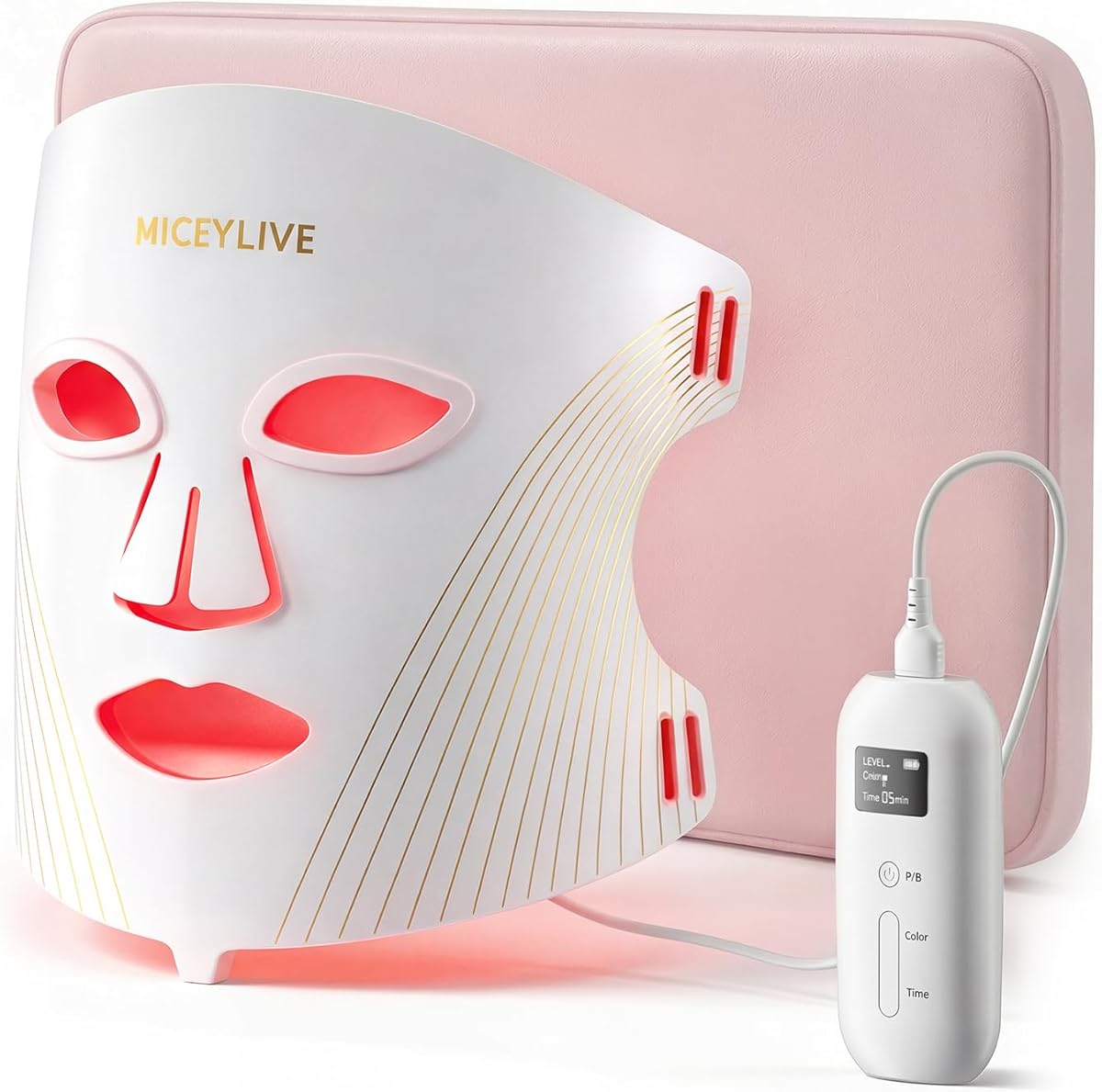
This specific mask offers a 460-850nm wavelength range, combining visible red light with near-infrared penetration, which is crucial for targeting different skin layers. The 2000mAh battery capacity and remote control functionality distinguish it from basic models, making portability and convenience genuine considerations rather than marketing claims.
Key Considerations Before Buying
- The 460-850nm spectrum matters: 460-660nm targets collagen production in the epidermis, while 780-850nm near-infrared reaches deeper tissues for inflammation reduction.
- Battery life directly impacts usability—the 2000mAh capacity should provide approximately 30-45 minutes per charge, but actual performance depends on LED intensity settings.
- Fit and comfort are non-negotiable for consistent use; this mask's flexible design must create proper skin contact without pressure points during 10-20 minute sessions.
What Our Analysts Recommend
Genuine quality indicators include consistent LED brightness across all diodes and stable wavelength emission, not just advertised ranges. Check for medical-grade silicone construction that's both hygienic and durable, as cheaper plastics degrade with heat exposure from prolonged LED use.
Light Therapy Market Context
Market Overview
The at-home red light therapy market has exploded with masks ranging from $50 to $500+, creating confusion about legitimate benefits versus exaggerated claims. This Canadian-sold product sits in the mid-range price bracket where performance expectations should match professional-grade wavelengths but with consumer-friendly features.
Common Issues
Users frequently report inconsistent results due to improper wavelength calibration or insufficient treatment duration. Many cheaper masks use inferior LEDs that degrade quickly, losing therapeutic effectiveness within months of regular use.
Quality Indicators
Look for specific wavelength documentation (not just 'red light'), medical device certifications if available, and heat management systems. Higher-quality masks maintain consistent light output across all diodes rather than having dimmer edges.
Review Authenticity Insights
Grade B Interpretation
A Grade B with 11% estimated fake reviews indicates predominantly authentic feedback, but suggests some incentivized reviews may be present. The 4.30 adjusted rating (down from 4.56) reflects this adjustment, making it more reliable than the surface rating suggests.
Trust Recommendation
Focus on reviews discussing specific usage patterns over 2+ months, as genuine users report gradual improvements rather than overnight miracles. Be skeptical of reviews claiming dramatic results within days, as these often signal inauthentic feedback in the light therapy category.
Tips for Reading Reviews
Prioritize reviews mentioning actual wavelength settings used, session frequency, and battery life observations. Authentic users typically discuss comfort during extended wear and cleaning routines, not just generic 'great product' statements.
Expert Perspective
This mask's technical specifications suggest legitimate therapeutic potential, particularly the inclusion of both visible red and near-infrared wavelengths. The 4.30 adjusted rating from verified purchases indicates satisfactory performance for most users, though individual results will vary based on skin type and consistency of use. The remote control and timing functions represent meaningful usability improvements over basic models, addressing common pain points in daily red light routines.
Purchase Considerations
Evaluate whether the 2000mAh battery meets your portability needs versus plug-in models, and consider if the full face coverage aligns with your treatment goals versus spot-treatment devices. The mid-range positioning suggests better components than budget options but may lack clinical-grade validation of premium devices.
Comparing Alternatives
Compare wavelength ranges and treatment area coverage with similar masks, as some competitors offer adjustable intensity or modular designs for targeted therapy.


