Unlock Precision: Choosing a Rechargeable Digital Caliper for Woodworking & DIY
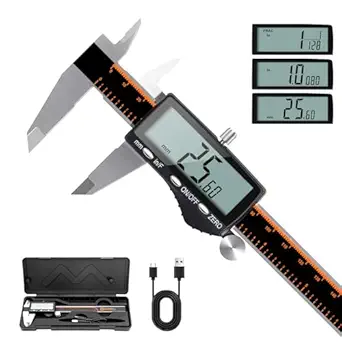
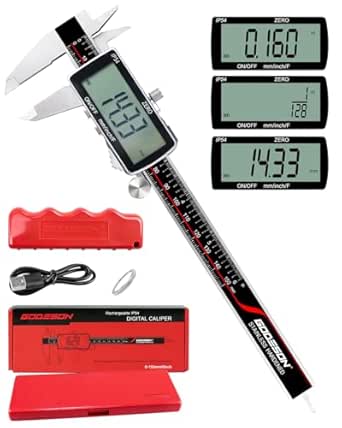
When selecting a digital caliper for woodworking, DIY, or professional use, the combination of a Type-C rechargeable battery and IP54 water/dust resistance sets this 6-inch stainless steel model apart. It offers essential features like fractional-inch, millimeter, and inch conversion, along with a clear LCD display, making it a versatile tool for precise measurements.
Key Considerations Before Buying
- Consider the measurement range: 6 inches (150 mm) is ideal for most woodworking and DIY tasks, from measuring board thickness to small components, but ensure it suits your specific project sizes.
- Evaluate the rechargeable feature: A Type-C USB charging port means no fumbling for coin batteries, but check the battery life and charging time to avoid downtime during extended use.
- Assess the IP54 rating: This provides protection against dust and splashes, crucial for workshop environments where debris or moisture is common, but it's not waterproof, so avoid submersion.
What Our Analysts Recommend
Quality indicators include a stainless steel construction for durability and corrosion resistance, a smooth sliding mechanism for consistent measurements, and a large, easy-to-read LCD display. Look for models with auto-off to save battery and a zero-setting function for relative measurements.
Digital Calipers Market Context
Market Overview
The digital caliper market has evolved significantly, with many brands now offering rechargeable models to replace traditional battery-operated ones. This shift addresses the inconvenience of replacing small batteries, making tools like this Type-C caliper more user-friendly for frequent use.
Common Issues
Common problems include inaccurate readings due to poor calibration, flimsy build quality that affects longevity, and unreliable battery life in rechargeable models. Additionally, some calipers have hard-to-read displays in low light or lack smooth sliding mechanisms.
Quality Indicators
To identify quality, check for a robust stainless steel frame, a precise measurement system with clear markings, and a responsive LCD. A well-sealed case for IP54 protection and positive user feedback on long-term accuracy are also strong signs of quality.
Review Authenticity Insights
Grade B Interpretation
With a Grade B and an estimated 10% fake review rate, this product has a moderate level of risk, meaning most reviews are genuine but a small portion may be fabricated. The 4.67 average rating is slightly inflated, with an adjusted rating of 4.40, suggesting real users find it reliable but not flawless.
Trust Recommendation
You can generally trust the majority of reviews, which include specific details like comparisons to other calipers and mentions of real-world use in woodworking. However, be cautious of overly positive reviews lacking context, and focus on those that discuss both pros and cons.
Tips for Reading Reviews
When reading reviews, look for those that describe measurement accuracy over time, mention the battery life and charging experience, and note any issues with the sliding mechanism or display. Verified purchase badges and detailed usage scenarios are strong indicators of authenticity.
Expert Perspective
This 6-inch digital caliper delivers solid value for DIYers and woodworkers, with key features like Type-C charging and IP54 protection that address common pain points. The adjusted rating of 4.40 indicates consistent performance, though the 10% fake review rate warrants a cautious approach to the highest ratings. Its stainless steel build and conversion options make it a practical choice for precise measurements.
Purchase Considerations
Weigh the convenience of USB charging against potential long-term battery degradation, and consider if the 6-inch range covers your typical measurements. The IP54 rating is a plus for workshop use, but if you need submersible capability, look for higher IP ratings.
Comparing Alternatives
Shoppers should compare this model with other rechargeable calipers, such as those from Mitutoyo or iGaging, to assess differences in build quality and measurement consistency.