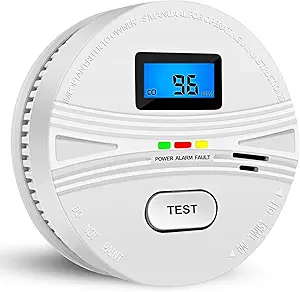
![[4-in-1] Plug in Carbon Monoxide Detector & Smoke Alarm 2000 mAh Battery Mini CO Meter Integrated [CO emperature Humidity Sensors] Home Travel Hotel RV](https://m.media-amazon.com/images/I/71Yk0b5XEcL._AC_SL1200_.jpg)
Choosing a 4-in-1 Plug-In Detector: Balancing Portability with Reliable Home Safety
This specific 4-in-1 detector combines carbon monoxide, smoke, temperature, and humidity sensing into a compact, plug-in unit with a 2000 mAh backup battery. Buyers should understand that this design prioritizes portability for travel, RVs, and hotel use, which may involve different performance considerations than permanent, hardwired home systems. The integrated digital CO meter is a notable feature for real-time monitoring.
Key Considerations Before Buying
- The plug-in design with battery backup offers installation flexibility but requires you to verify it doesn't obstruct other outlets and that its sensor placement (typically low on a wall) is optimal for CO detection, as CO mixes with air.
- A 2000 mAh battery capacity is substantial for a backup; assess how long it powers all four sensor functions during an outage and whether the unit provides clear low-battery warnings distinct from alarm signals.
- Integrated temperature and humidity sensors add utility but are secondary to the primary life-safety function; ensure the CO and smoke alarms meet recognized standards (like CSA/ULC in Canada) and have distinct, loud alarm patterns for each hazard.
What Our Analysts Recommend
For this product type, prioritize clear documentation of certification for both smoke and CO detection from a recognized testing laboratory. Quality indicators include specific details in reviews about alarm loudness in real-world settings, the clarity of the digital CO readout (in PPM), and the reliability of the battery backup during simulated power failures. Avoid units with vague or absent certification claims.
Carbon Monoxide Detectors Market Context
Market Overview
The market for combination detectors, especially portable plug-in models, has grown, catering to renters, travelers, and RV owners seeking comprehensive, non-permanent safety solutions. Products like this 4-in-1 unit aim to consolidate devices, but performance depth in each sensing category can vary significantly between models.
Common Issues
Common issues in this niche include false alarms triggered by steam or high humidity interfering with particle sensors, poorly designed battery compartments that compromise seal integrity, and digital displays that are difficult to read in direct light. Some units also have confusing alarm chirps for different hazards or low battery.
Quality Indicators
Identify quality by looking for dual-sensor smoke detection (photoelectric and ionization, or photoelectric alone, which is better for smoldering fires), a electrochemical CO sensor (not a cheaper metal oxide semiconductor), and a unit that logs peak CO levels. A well-designed product will have a test/silence button that is easy to reach and use.
Review Authenticity Insights
Grade B Interpretation
A Grade B with an 11% estimated fake review rate suggests a generally trustworthy review pool with a minor presence of potentially inauthentic feedback. For this product, it means the high 4.7 adjusted rating is robust, but shoppers should still scrutinize overly vague 5-star reviews that lack specific usage context.
Trust Recommendation
Focus on the detailed 4 and 5-star reviews that mention specific use cases like 'RV trip to the mountains' or 'placed in a basement utility room,' and pay particular attention to the critical 3-star reviews, which for safety devices often contain the most valuable performance caveats and long-term reliability notes.
Tips for Reading Reviews
For this safety-critical product, prioritize reviews that discuss actual sensor responses (e.g., 'alarmed during a kitchen mishap' or 'CO readout changed near the furnace'), battery life over months, and portability in travel. Be skeptical of reviews that only praise packaging or delivery speed.
Expert Perspective
The analysis data—a high adjusted rating of 4.7 from a largely authentic review pool—indicates this 4-in-1 detector satisfies a clear market need for a portable, multi-function safety monitor. The strong rating likely reflects its convenience and added features like the humidity sensor. However, the expert perspective cautions that a combination unit represents a compromise; its smoke detection technology and sensor lifespan may not match that of dedicated, premium standalone units. The plug-in form factor is its greatest asset for mobile applications.
Purchase Considerations
Weigh the convenience of an all-in-one, portable device against the potential for any single sensor to be less robust than a specialized detector. This product is an excellent fit for supplemental protection, travel, or temporary dwellings, but for a primary, permanent home system, dedicated, interconnected alarms are still the gold standard. Verify its certifications are valid for Canada.
Comparing Alternatives
Shoppers should compare this model's specific sensor types, battery runtime specs, and certification listings against other plug-in combo detectors and against purchasing separate, certified CO and smoke alarms.