Choosing Drywall Anchors: Why Self-Drilling Types Like This Kit Matter
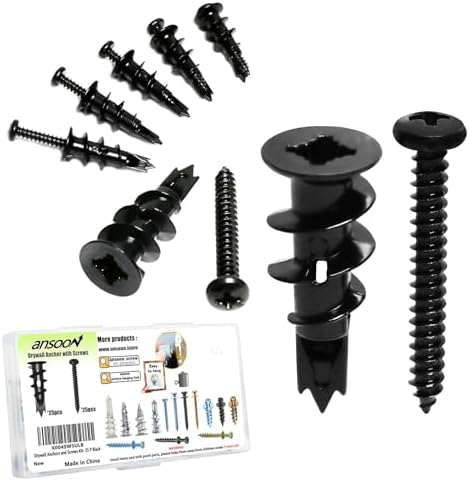
When mounting items on hollow drywall, the right anchor can mean the difference between a secure install and a wall repair. This kit offers 25 self-drilling #8 metal anchors and 25 matching 1-1/4-inch screws, designed to hold up to 75 pounds without pre-drilling. Understanding the specifics of self-drilling vs. expansion anchors and load limits is key to a successful project.
Key Considerations Before Buying
- Check your wall type: These anchors are for hollow drywall only, not solid surfaces like concrete or studs. They work by expanding behind the sheetrock, so thickness (typically 1/2 to 5/8 inch) matters for grip.
- Match the screw length: The included 1-1/4-inch screws are ideal for attaching standard fixtures like towel bars or small shelves. For thicker brackets, you may need longer screws, so verify compatibility before buying.
- Consider the weight rating: The 75-pound claim is per anchor under ideal conditions (steady pull-out force). For dynamic loads (like a TV that vibrates), derate to 50% to be safe, and use multiple anchors spread across studs if possible.
What Our Analysts Recommend
Quality indicators include a sharp, self-drilling tip that penetrates drywall without cracking, and a coarse thread design for secure bite. The anchor material should be corrosion-resistant steel, and the screw heads should be Phillips or square-drive to prevent stripping during installation.
Drywall Anchors Market Context
Market Overview
The drywall anchor market is crowded with options from toggle bolts to plastic expansion types. Self-drilling metal anchors like this kit have gained popularity for their ease of use—no pilot hole needed—and higher load capacity compared to plastic alternatives, making them a go-to for DIYers and light contractors.
Common Issues
A frequent problem is anchors failing due to improper installation, such as over-tightening which can spin the anchor in the drywall, or using them on walls thicker than designed. Another issue is mismatched screw lengths, where the included screws are too short for the fixture being mounted, leading to loose connections.
Quality Indicators
Look for anchors with a consistent, burr-free finish and a tapered tip that starts easily. The screw threads should be sharp and deep for good grip, and the packaging should include clear instructions. Avoid kits where anchors feel flimsy or have visible molding flash, as these indicate poor manufacturing.
Review Authenticity Insights
Grade B Interpretation
A Grade B and 15% estimated fake review rate means this product has a moderate authenticity concern. Most reviews are likely genuine, but about 1 in 7 may be fabricated, often to inflate ratings. The 4.33-star average might be slightly padded, so you should read lower-star reviews carefully for real-world issues.
Trust Recommendation
Focus on the 4.00 adjusted rating, which excludes suspicious reviews, as a more reliable benchmark. The one-star complaint about product failure under load is a red flag to check for consistency—if multiple users report breakage, it's a genuine flaw. Prioritize verified purchase reviews in your assessment.
Tips for Reading Reviews
For drywall anchors, look for reviews that describe specific installation scenarios (e.g., mounting a shelf, towel rack) and load weights used. Be skeptical of vague praise like 'works great' without context, and pay attention to photos showing the anchor after use, which can reveal bending or breakage issues.
Expert Perspective
This 50-piece kit offers a solid value for light to medium-duty projects, with the self-drilling feature saving time. However, the 15% fake review rate and a specific failure complaint suggest quality control may vary. The 4.00 adjusted rating is decent but not stellar, indicating that while many users are satisfied, the product doesn't excel in consistency. For occasional use hanging picture frames or small shelves, it's a reasonable choice, but for heavier or critical loads, consider alternatives with higher reliability.
Purchase Considerations
Weigh the convenience of no pre-drilling against the potential for anchor spin-out if over-tightened. If your project involves frequent adjustments or heavy items (over 50 pounds), you might prefer toggle bolts or molly bolts, which offer stronger hold. Also, ensure you have a drill with a #2 Phillips bit to avoid cam-out during installation.
Comparing Alternatives
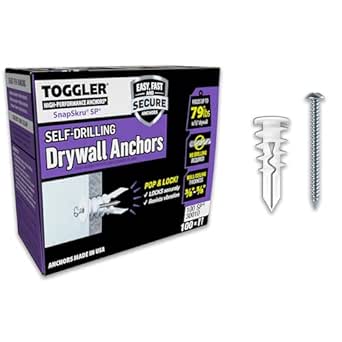
Compare this kit with brands like TOGGLER or E-Z Ancor, which have lower fake review rates and more consistent user feedback, especially for high-load applications. A quick cross-check on similar products can help you decide if the cost savings here are worth the authenticity risk.