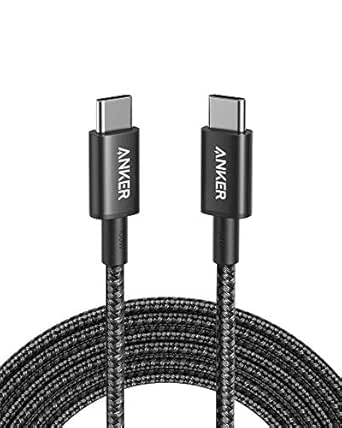
Short USB-C to USB-C Cables: When 1.5 Feet Makes All the Difference
A 1.5-foot USB-C to USB-C cable is a specialized tool, not a replacement for your everyday charging cable. This two-pack is designed for close-proximity connections—like pairing a power bank to a phone in your pocket or connecting a laptop to a nearby dock—where a standard 3- or 6-foot cable would create unnecessary clutter.
Key Considerations Before Buying
- Length is the defining feature here. At 1.5 feet, these cables are ideal for power banks, portable SSDs, and car mounts, but they are too short for charging from a wall outlet to a desk or bed. Measure your typical setup before buying.
- Confirm both ends are USB-C. This is a C-to-C cable, so it requires a USB-C wall charger or power source. It will not work with older USB-A ports, which are still common on many power strips and car chargers.
- Check the power rating if you need fast charging. While the listing doesn't specify wattage, short cables often support up to 60W or 100W. If you're charging a laptop, verify the cable meets your device's power requirements.
What Our Analysts Recommend
Look for explicit mentions of USB-IF certification or compliance, which ensures the cable meets safety and performance standards. Braided nylon jackets and reinforced strain relief at the connectors are good signs of durability, especially for a cable that will be bent and flexed frequently. Also, check the connector housing—metal shells tend to last longer than plastic ones.
USB Cables Market Context
Market Overview
The USB-C cable market is flooded with options, ranging from no-name budget cables to premium brands like Anker and Belkin. As USB-C becomes the universal standard, consumers are increasingly replacing older cables, but many still don't realize that not all USB-C cables are created equal—some support only charging, while others handle data and video.
Common Issues
A frequent complaint with short cables is that they can be too stiff or have bulky connectors that don't fit well in tight spaces, such as phone cases with thick edges. Another issue is durability: cheap cables often fail at the connector joint after repeated bending. Additionally, some cables don't support fast charging protocols, leading to slow charge times even with a capable charger.
Quality Indicators
High-quality USB-C cables typically have a 56k ohm resistor for safety, support USB Power Delivery (PD) for fast charging, and are often USB-IF certified. They also feature robust construction, such as aluminum alloy connectors, nylon braiding, and a flexible strain relief that withstands thousands of bends. Reading reviews for mentions of longevity and compatibility can help separate good cables from bad.
Review Authenticity Insights
Grade A Interpretation
With an A authenticity grade and only 5% estimated fake reviews, this product's review section is highly trustworthy. The adjusted rating of 4.30/5, slightly lower than the displayed 4.44, suggests that even after removing suspicious reviews, the product maintains strong customer satisfaction. This indicates that the positive reviews are largely genuine and reflect real user experiences.
Trust Recommendation
You can rely on the reviews to gauge real-world performance, especially regarding fit, durability, and charging speed. Look for reviews that mention specific use cases, like charging a phone from a power bank or connecting to a laptop dock, as these provide practical insights. The high verification level means most reviewers actually purchased and used the product.
Tips for Reading Reviews
When reading reviews for USB-C cables, focus on those that describe the cable's performance over time—did it stop working after a month? Also, pay attention to mentions of compatibility with specific devices, as USB-C can be finicky. Reviews that include photos of the cable in use or compare it to other brands are often more informative.
Expert Perspective
This 2-pack of 1.5-foot USB-C to USB-C cables fills a niche need for short, clutter-free connections. The strong authenticity of reviews and solid adjusted rating suggest it's a reliable choice for its intended purpose. However, it's not a one-size-fits-all cable; its short length limits its use to specific scenarios. If you frequently need to charge devices while using them, you'll likely need longer cables as well.
Purchase Considerations
Consider whether you already own a USB-C charger and devices that use USB-C ports. If you often find yourself needing a short cable for power banks, portable monitors, or car play setups, this two-pack offers good value. But if you need cables for general charging around the home, opt for longer lengths. Also, check the warranty—some brands offer lifetime warranties, which can be a deciding factor.
Comparing Alternatives
Before purchasing, compare with similar short USB-C cables from brands like Anker, AmazonBasics, and Belkin to ensure you're getting the best combination of price, durability, and warranty for your needs.