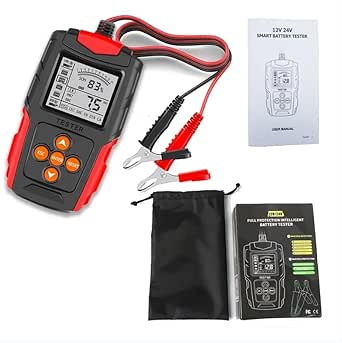
Choose the Right Coolant Tester: Dial Type Precision for Battery Systems
When maintaining your vehicle's cooling system, a coolant tester is essential for checking antifreeze concentration and freeze protection. This dial-type densitometer is specifically designed for testing hot or cold batteries on 6V, 12V, and 24V systems, making it a versatile tool for various vehicles, from cars to trucks.
Key Considerations Before Buying
- Ensure compatibility with your battery system voltage (6V, 12V, or 24V) to avoid damage or inaccurate readings. This tester covers all three, offering broad utility.
- Dial-type testers provide a visual, analog reading for quick assessments, but they require proper calibration and handling for accuracy. This model emphasizes high accuracy, so verify that it includes calibration instructions.
- Consider the fluid types you'll test: this tester is for coolant/antifreeze, not battery electrolyte. Confirm it meets your specific needs for freeze point and concentration measurement.
What Our Analysts Recommend
Look for a tester with clear, easy-to-read markings and a durable construction that can withstand shop environments. High accuracy dials often feature temperature compensation to ensure reliable readings across different conditions, which is critical for this type of densitometer.
Battery Testers Market Context
Market Overview
The battery tester market includes a range of tools from simple hydrometers to advanced digital analyzers. Dial-type coolant testers remain popular for their affordability and simplicity, though they require user skill for consistent results. This product targets DIYers and professionals needing a reliable, no-frills solution for antifreeze testing.
Common Issues
Common issues with coolant testers include inaccurate readings due to temperature fluctuations, poor calibration, or fluid contamination. Users may also struggle with interpreting dial markings or maintaining the tool over time, leading to inconsistent performance.
Quality Indicators
Quality indicators include a robust glass or plastic body, clearly marked measurement scales (e.g., specific gravity or freeze point), and positive user reviews highlighting consistency. A high rating like 4.57/5 from 19 reviews suggests user satisfaction, but verify that reviews mention durability and accuracy.
Review Authenticity Insights
Grade B Interpretation
A Grade B authenticity rating with an estimated 10% fake review rate indicates that most reviews are genuine, but a small portion may be unreliable. For a niche product like this coolant tester, this is acceptable, as the majority of verified purchasers provide useful feedback.
Trust Recommendation
Given the 10% fake rate, focus on reviews from verified purchasers and those with detailed usage descriptions. The adjusted rating of 4.30/5 is still strong, suggesting the product performs well despite some potential inflation.
Tips for Reading Reviews
When reading reviews, look for specific mentions of accuracy with different battery voltages (6V, 12V, 24V) and coolant types. Avoid reviews that are overly generic or lack personal context, as these may be less trustworthy.
Expert Perspective
This dial-type coolant tester offers a practical, high-accuracy solution for testing antifreeze concentration in various battery systems. With a 4.57/5 rating and mostly genuine reviews, it appears to meet user expectations for reliability and ease of use. However, the 10% estimated fake review rate warrants caution, and the adjusted rating of 4.30/5 provides a more conservative view. Overall, it's a solid choice for DIYers and professionals who prefer analog tools for quick checks.
Purchase Considerations
Consider your need for portability and simplicity versus digital alternatives that may offer more features like data logging. This tester is ideal if you value straightforward operation and compatibility with multiple voltages. Ensure you're comfortable with manual calibration and interpretation of dial readings.
Comparing Alternatives
Shoppers should compare this with digital coolant testers or refractometers for enhanced precision, especially if testing a wide range of fluids or requiring temperature compensation.