Master Basement Humidity: 5 Key Insights Before Buying a 50-Pint Dehumidifier
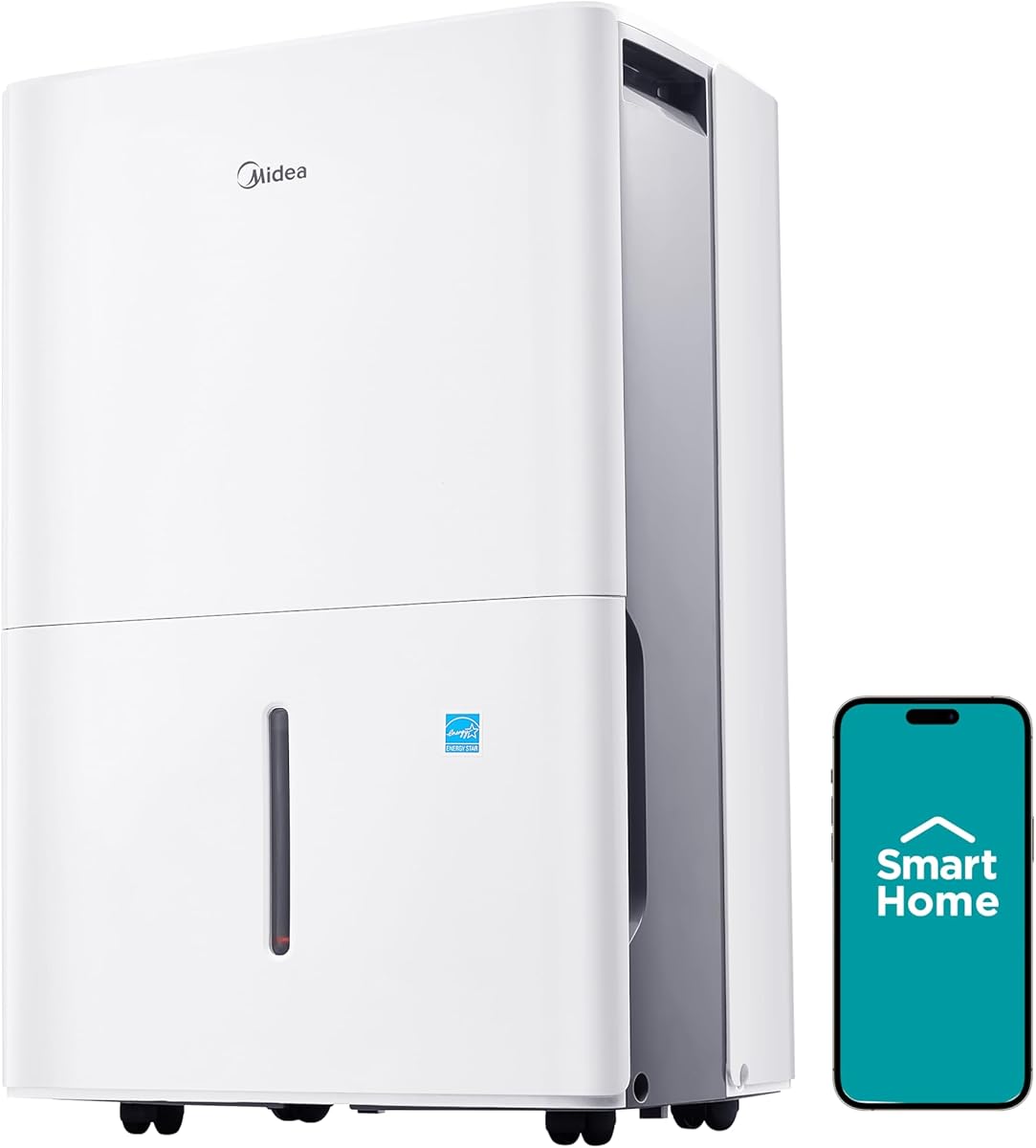
When tackling basement moisture, a 50-pint dehumidifier is a serious investment in your home's air quality and structural integrity. The Midea model, with its Energy Star rating and 4,500 sq. ft. coverage, promises to handle large spaces efficiently, but understanding its features and limitations is crucial before you commit.
Key Considerations Before Buying
- Capacity vs. Square Footage: While the Midea covers 4,500 sq. ft., the 50-pint rating (per DOE 2019 standards) tells you how much moisture it can remove daily. For a very damp basement, consider if you need the higher capacity or if a smaller unit would suffice.
- Smart Features and Connectivity: The WiFi-enabled and smart voice compatibility are convenient, but ensure your home network reaches the basement. A weak signal could render these features useless, so check your router's range or consider a mesh system.
- Energy Efficiency: An Energy Star rating means lower operating costs, but the actual savings depend on your usage patterns. Look for the Energy Star Most Efficient designation if you plan to run it continuously.
What Our Analysts Recommend
In a dehumidifier, prioritize a reliable humidistat for accurate readings, a durable compressor, and a user-friendly control panel. The reusable air filter is a plus, but check how easy it is to access and clean. Auto restart is essential for basements where power outages are common, ensuring the unit resumes operation without manual intervention.
Dehumidifiers Market Context
Market Overview
The dehumidifier market has evolved significantly, with smart features and higher efficiency becoming standard. Consumers now expect WiFi connectivity, voice control, and Energy Star compliance, as seen in the Midea model. This shift reflects a broader trend toward home automation and energy consciousness.
Common Issues
Common issues in dehumidifiers include inaccurate humidity sensors, noisy operation, and ice formation on coils in colder temperatures. Users also report difficulties with draining hoses and pump failures, so checking for a reliable auto-defrost and a good pump (if needed) is important.
Quality Indicators
Look for a strong warranty (Midea offers a typical 1-year), positive user reviews on durability, and certifications like Energy Star and UL listing. Also, consider the brand's reputation for customer support, as dehumidifiers often need service after a few years.
Review Authenticity Insights
Grade B Interpretation
The B grade and 10% estimated fake reviews indicate that while most reviews are genuine, a small portion may be incentivized or unverified. This is not alarming, but it means you should weigh the 4.89 rating with slight caution. The adjusted rating of 4.60 is more realistic, still reflecting high satisfaction.
Trust Recommendation
Given the analysis, you can trust the general sentiment of the reviews, but pay close attention to detailed, balanced reviews that mention specific pros and cons. Look for reviews with photos or videos, as they often provide more authentic insights into the product's performance.
Tips for Reading Reviews
When reading reviews for a dehumidifier, focus on comments about noise levels, ease of setup, and how effectively it reduces humidity in real-world conditions. Ignore overly short or vague reviews, and cross-reference any claims about performance with multiple sources.
Expert Perspective
The Midea 50-pint dehumidifier appears to be a solid performer, backed by a strong user base and high satisfaction ratings. Its combination of large coverage, smart features, and energy efficiency makes it a compelling choice for basements. The adjusted rating of 4.60 suggests that while it excels, there may be minor issues, such as noise or app connectivity, that some users encounter.
Purchase Considerations
Weigh the upfront cost against your specific needs: if you have a large, damp basement and value smart control, this unit is a strong candidate. However, if you have a smaller space or a limited budget, consider a smaller capacity model. Also, factor in the cost of continuous drainage setup if you don't want to empty the bucket.
Comparing Alternatives
Shoppers should compare this Midea with other top-rated 50-pint models from brands like Frigidaire and hOmeLabs, which offer similar features and performance. Check current prices and warranty terms to ensure you're getting the best value.