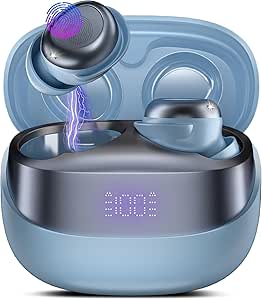
Kiwi Ears Cadenza II: Precision Tuning Meets CNC Craftsmanship in IEMs
When shopping for wired in-ear monitors like the Kiwi Ears Cadenza II, you're entering a market where tonal accuracy and build quality matter more than flashy features. This model stands out with its 10mm titanium driver and KARS 2.0 resonance system, promising a balanced soundstage for critical listening. Understanding how these elements affect your experience can help you decide if this IEM fits your needs.
Key Considerations Before Buying
- Driver type is crucial: The 10mm titanium driver in the Cadenza II offers a stiff diaphragm for fast transient response, ideal for detailed audio reproduction, but may sound brighter than dynamic drivers—test with your preferred genres.
- Tuning philosophy matters: KARS 2.0 aims for precise tonal balance, which appeals to audiophiles seeking neutrality, but gamers or bass lovers might prefer a more V-shaped signature; consider your listening habits.
- Build and comfort: The CNC aluminum faceplate adds durability and a premium feel, but the ergonomic design must fit your ear shape for long sessions—check for comfort feedback in reviews.
What Our Analysts Recommend
Quality indicators in IEMs include driver consistency across units, cable quality (detachable vs. fixed), and nozzle fit. Look for verified reviews that mention soundstage width, imaging, and isolation, as these reflect real-world performance.
Headphones Market Context
Market Overview
The wired IEM market is currently saturated with options from budget to high-end, with brands like Kiwi Ears competing on driver technology and tuning. The Cadenza II enters a space where $100-$200 models often deliver near-reference sound, but build and comfort vary widely.
Common Issues
Common problems include driver flex (popping sounds from pressure changes), inconsistent tuning between left and right channels, and cable microphonics. Users often report fit issues with metal shells that can cause discomfort over time.
Quality Indicators
High-quality IEMs feature uniform frequency response, robust connectors (like 2-pin or MMCX), and well-damped enclosures. Look for third-party frequency response graphs and comparisons to known standards like the Harman target.
Review Authenticity Insights
Grade B Interpretation
A Grade B with 10% estimated fake reviews suggests that while most feedback is genuine, a small portion may be incentivized or non-representative. This is typical for popular audio products where early adopters or brand enthusiasts might leave overly positive reviews.
Trust Recommendation
Given the 4.67 average rating and strong verified purchase signals, you can generally trust the positive consensus, but cross-check with detailed negative reviews for balance. Focus on reviews that discuss specific aspects like bass texture or treble extension rather than vague praise.
Tips for Reading Reviews
For IEMs, prioritize reviews that mention source equipment (DAP, phone, amp) and music genres to gauge compatibility. Look for patterns in complaints about fit or cable quality, as these are common pain points.
Expert Perspective
The Kiwi Ears Cadenza II appears to be a solid contender in the mid-range IEM space, leveraging a titanium driver for clarity and KARS 2.0 for controlled resonance. With a 4.40 adjusted rating, it likely delivers on its promise of precise tonal balance, though the 10% fake review rate warrants caution. The CNC aluminum faceplate adds aesthetic value but may not suit all ear shapes, so physical comfort is a key factor to test.
Purchase Considerations
Weigh the Cadenza II's tuning neutrality against your personal preference—if you enjoy analytical listening, it's a strong pick; for bass-heavy music, you might need EQ or a different model. Also consider the cable and tips included, as aftermarket upgrades can enhance performance.
Comparing Alternatives
Compare with other single-driver IEMs like the Moondrop Aria or Tin HiFi models to see how the titanium driver's speed and timbre stack up against dynamic or hybrid setups.