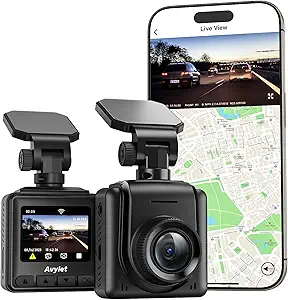
Choosing a 4K+1080P Dash Cam: Key Tips for Dual-Lens Setup
When shopping for a dash camera like this 4K+1080P front and rear model with 5G WiFi and a built-in 32GB card, you're investing in both safety and evidence. Understanding dual-channel resolution, storage capacity, and connectivity features is crucial to avoid overspending on specs you don't need.
Key Considerations Before Buying
- Dual-channel resolution matters: A 4K front camera captures detailed license plates, but the rear 1080P is adequate for general recording. Ensure the rear lens isn't compromised by low light, as many budget models sacrifice rear quality.
- Built-in storage simplifies setup: With a 32GB card included, you avoid initial hassle, but check if it supports loop recording and high endurance for continuous overwriting. For 4K footage, 32GB may fill quickly, so consider upgrading to 64GB or 128GB for longer retention.
- 5G WiFi enables quick transfers: This allows you to download clips to your phone without removing the card, ideal for sharing evidence. Verify the app's ease of use and whether it supports live view, as some dash cams have clunky interfaces.
What Our Analysts Recommend
Look for a dash cam with a reliable G-sensor that doesn't trigger false alarms from bumps, and a 24-hour parking mode that uses low power or motion detection to avoid draining your car battery. Night vision should be evaluated through sample footage, as IR LEDs often struggle with glare from headlights.
On-Dash Cameras Market Context
Market Overview
The dash cam market in Canada is growing, driven by concerns over insurance fraud and accident disputes. Models with 4K front and 1080P rear, like this one, are becoming standard, with 5G WiFi and parking mode as competitive features.
Common Issues
Many dual-lens dash cams suffer from inconsistent rear camera quality, especially in low light, and WiFi connectivity can be buggy. Battery life in parking mode is another pain point, as some units drain the car battery within hours.
Quality Indicators
High-quality dash cams use Sony or OmniVision sensors for better low-light performance, offer true 4K (not upscaled), and have a robust mounting system to prevent vibration. Look for models with capacitor-based power (not lithium-ion) for heat tolerance and longevity.
Review Authenticity Insights
Grade B Interpretation
With a Grade B and an estimated 10% fake review rate, this product has mostly authentic feedback, but a small portion may be inflated. The 4.89/5 rating likely skews slightly high, so the adjusted 4.60/5 is a more realistic benchmark for quality.
Trust Recommendation
You can trust the majority of verified reviews, but focus on those with specific details—like installation challenges or parking mode performance—rather than generic praise. The 10% fake rate suggests the product is generally well-received, but be cautious of overly enthusiastic 5-star reviews.
Tips for Reading Reviews
For dash cams, prioritize reviews that include video samples or photos, as they reveal real-world night vision and clarity. Also, look for comments on app reliability and parking mode battery drain, as these are common pain points not always highlighted in promotional material.
Expert Perspective
This dash cam offers a solid balance of 4K front resolution and 1080P rear coverage, with modern features like 5G WiFi and loop recording that match current market standards. The built-in 32GB card reduces upfront costs, but serious users may need more space. Its high rating (even adjusted) suggests strong customer satisfaction, particularly for the price point in Canada.
Purchase Considerations
Weigh the convenience of 5G WiFi against potential app issues, and consider if 24-hour parking mode is essential for your driving environment, as it may require hardwiring. The 10% fake review rate is minor, but verifying through detailed reviews is wise.
Comparing Alternatives
Compare this model with others that offer higher rear resolution (e.g., 2K) or larger included storage, especially if you frequently drive at night or in high-traffic areas.