Cordless Convenience: What to Know Before Buying a Portable Blender
Portable cordless blenders like this mini personal blender have revolutionized on-the-go smoothie making, but they come with trade-offs in power and battery life. Before you buy, understand that these devices are designed for soft fruits, protein shakes, and quick blends—not for crushing ice or heavy frozen ingredients. This guide will help you evaluate whether this type of blender fits your daily routine.
Key Considerations Before Buying
- Battery life and charging time: Look for a blender that offers at least 10-15 blends per charge and a USB-C fast-charging port. Some models take 3+ hours to charge, which can be inconvenient if you're traveling.
- Blade and motor power: Cordless blenders typically have 20-30 watts of power, which is fine for soft ingredients but struggles with fibrous greens or large ice cubes. Check if the blades are stainless steel and whether the motor is rated for continuous use.
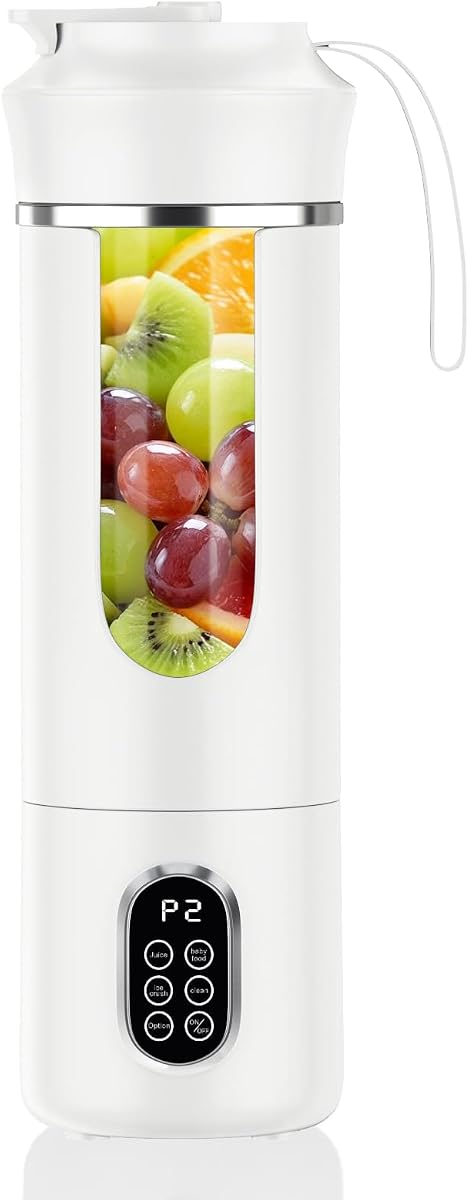
- Cleaning mechanism: The automatic cleaning function on this model is a plus—just add water and a drop of soap and pulse. But ensure the cleaning cycle is effective, as some portable blenders have hard-to-reach crevices where residue can build up.
What Our Analysts Recommend
Quality indicators include a leak-proof lid with a secure seal, a cup made from BPA-free Tritan or glass, and a base that feels sturdy. Also, check if the blender has a safety lock to prevent accidental operation, and whether the motor stops if the cup is not properly attached—this prevents damage and messes.
Personal Size Blenders Market Context
Market Overview
The personal blender market has grown significantly, driven by busy lifestyles and health trends. Cordless models are the latest evolution, offering portability that traditional countertop blenders can't match. However, this convenience often comes at a premium, and brands compete on battery life, cup capacity (typically 12-20 oz), and additional features like USB charging ports.
Common Issues
Common problems include weak blending performance, short battery life (especially after a few months), and leaks from the lid or base. Many users also report that these blenders overheat when used for more than 30 seconds continuously, so it's important to follow the recommended pulse cycles.
Quality Indicators
High-quality cordless blenders use Japanese or German motors, have Li-ion batteries with >2000mAh capacity, and feature dual-blade designs for better vortex. Look for certifications like FDA or LFGB for food safety, and check if the brand offers a warranty—typically 1-2 years—as this indicates confidence in durability.
Review Authenticity Insights
Grade B Interpretation
A Grade B with 15% estimated fake reviews suggests that while most reviews are genuine, a notable minority may be incentivized or fabricated. This is common for new or low-volume products, but it means you should weigh the overall rating (4.56) with slight caution, as the adjusted rating of 4.20 is more realistic.
Trust Recommendation
Given the 15% fake review rate, focus on detailed, verified purchase reviews that mention specific use cases (e.g., 'used for protein shakes daily for 2 weeks'). Also, consider the one negative review—it may highlight real flaws like battery degradation or weak blending. Cross-check reviews on other platforms if possible.
Tips for Reading Reviews
For portable blenders, pay attention to reviews that mention battery longevity over time, ease of cleaning (especially the automatic function), and how well it handles different ingredients. Be wary of overly positive reviews that lack specifics—they may be fake. Also, look for patterns in complaints about charging or leakage.
Expert Perspective
This cordless blender appears to be a solid mid-range option for those prioritizing portability and convenience. The automatic cleaning feature is a standout, and with a 4.20 adjusted rating, it likely performs adequately for soft blends. However, the 15% fake review rate and only 22 reviews mean there's limited long-term data, so treat early performance claims with some skepticism.
Purchase Considerations
If you plan to use it daily for smoothies with soft fruits, this blender could meet your needs. But if you expect to crush ice or blend frozen berries regularly, you may be disappointed. Also, consider the battery—if you're often away from power, a model with a longer battery life might be worth the extra cost.
Comparing Alternatives
Before committing, compare with other cordless blenders in a similar price range, especially those with higher review counts and longer track records. Brands like BlendJet or Ninja have established reputations, but they may cost more.