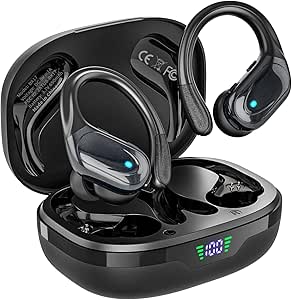
Bone Conduction Buying Guide: Why Fit, Battery, and Real Reviews Matter
When considering open-ear headphones like the esonstyle Bone Conduction model, you're prioritizing situational awareness and comfort over sound isolation. This guide focuses on key aspects such as the IPX7 sweatproof rating, 10-hour battery life, and Bluetooth 6.0 connectivity to help you decide if this style fits your active lifestyle.
Key Considerations Before Buying
- Fit and comfort: Since bone conduction headphones rest on your cheekbones, ensure the ear hooks are adjustable and apply even pressure. A poor fit can cause discomfort during long runs or workouts, so look for lightweight designs with flexible bands.
- Battery life and charging: With a claimed 10-hour battery, consider your typical usage. If you're an all-day user, you'll need to charge frequently; check if the charging port is proprietary or USB-C, and whether the battery degrades quickly based on user reports.
- Connectivity and controls: Bluetooth 6.0 is a newer standard, but compatibility with your devices matters. Verify multipoint pairing (connecting to two devices) and that physical buttons are easy to use during exercise, as touch controls can be finicky when sweaty.
What Our Analysts Recommend
Examine the IPX rating carefully—IPX7 means it can withstand immersion in water, which is excellent for sweat and rain, but it's not about dust. Also, look at driver size and frequency response; better bone conduction transducers produce clearer sound with less vibration. Finally, check for user-reported durability issues, as bone conduction models often fail at the joint where the arms meet the band.
Open-Ear Headphones Market Context
Market Overview
The open-ear headphone market has grown rapidly as athletes and commuters seek awareness of their surroundings. Brands like Shokz and Vidonn have popularized bone conduction, and now budget options like esonstyle are entering the space, offering lower prices but variable quality.
Common Issues
Common complaints across bone conduction headphones include weak bass, vibration at high volumes, and durability problems—especially at the hinge or where cables enter the earpieces. Additionally, battery life often diminishes after a few months, and some users report Bluetooth disconnections with certain devices.
Quality Indicators
Quality indicators include a consistent seal around the transducers, a robust flexible band that returns to shape, and a battery that lasts close to the rated time after multiple cycles. Also, reviews that mention long-term usage (over 3 months) without issues are strong signals of reliability.
Review Authenticity Insights
Grade B Interpretation
The Grade B and 10% estimated fake review rate suggest that while the majority of reviews are genuine, a small fraction may be incentivized or unnatural. This is typical for budget electronics, and the authenticity analysis indicates that real user experiences are present, but you should still read reviews critically.
Trust Recommendation
Given the 4.2-star average (adjusted to 4.0), you can trust the overall sentiment, but be wary of overly positive reviews that lack specific details. Look for verified purchase badges and consider the one negative review that mentions durability—it aligns with common issues in this category, so take it seriously.
Tips for Reading Reviews
For this product, focus on reviews that describe the fit, battery life, and any issues after a month of use. Short reviews with personal context (like 'my daughter loves these') are likely genuine. Also, check the date of reviews—if many are clustered around a short period, that could signal a promo campaign.
Expert Perspective
The esonstyle Bone Conduction Headphones offer an affordable entry into open-ear listening with a solid IPX7 rating and adequate battery life for most workouts. However, the durability concern highlighted in the negative review is a red flag, especially given that the adjusted rating drops to 4.0. As an expert, I'd say this is a decent budget option, but you're taking a gamble on longevity.
Purchase Considerations
Weigh the price against the risk of failure after a few months. If you're a casual user who won't use them daily, the low cost might be worth it. But if you rely on headphones for heavy training, consider spending more on a proven brand. Also, check the return policy and warranty before buying.
Comparing Alternatives
Shoppers should compare this with other bone conduction models in the same price range, such as those from Vidonn or Youthwhisper, and also look at open-ear audio (not bone conduction) options like the Bose Sport Open Earbuds for a different fit and sound profile.