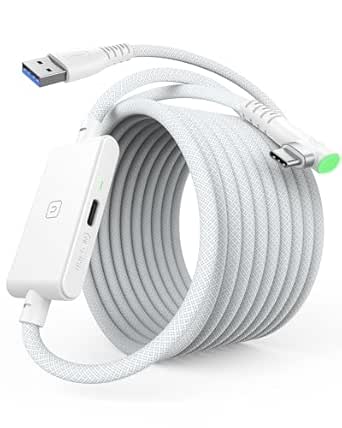
Choosing the Right USB 2.0 Mini-B Cable for Legacy Devices and Data Transfer
This DIGITUS cable serves a specific niche: connecting older devices with Mini-B 5-pin ports to modern USB-A hosts. While USB-C dominates new products, this cable remains essential for digital cameras, some audio interfaces, and legacy peripherals that still use the Mini-B standard. Buyers should understand this cable's 480 Mbps limitation and compatibility focus.
Key Considerations Before Buying
- Verify your device's port type—Mini-B 5-pin connectors are distinct from the more common Micro-USB and are often found on older digital cameras, specific external hard drives, and some audio equipment from the mid-2000s.
- Assess your speed needs: USB 2.0's 480 Mbps is sufficient for data transfer from most cameras and basic peripherals but would bottleneck modern high-speed storage devices.
- Consider cable length and durability: At 1 meter, this cable offers practical reach for desk setups, but the polybag packaging suggests a no-frills product focused on core functionality rather than premium build.
What Our Analysts Recommend
For Mini-B cables, examine the connector's 5-pin layout and housing durability—these ports are less robust than modern USB-C. Quality indicators include a snug fit without wobble, consistent data transfer without dropouts (a common complaint in cheap cables), and strain relief at connector junctions to prevent wire fatigue.
USB Cables Market Context
Market Overview
The market for USB 2.0 Mini-B cables has shifted from mainstream to legacy support, with fewer manufacturers producing new stock. Most offerings now come from established accessory brands like DIGITUS or generic manufacturers, creating a bifurcated market between reliable legacy cables and low-quality replacements.
Common Issues
Common problems include poor solder connections causing intermittent charging/data transfer, connector housings that crack or loosen over time, and cables that fail to maintain USB 2.0's full 480 Mbps speed due to inferior wiring or shielding. Incompatibility with specific device models despite correct connector type is another frequent complaint.
Quality Indicators
Look for cables that specify 28/28 AWG wiring (data/power), mention USB-IF compliance (though less common now), and feature molded strain relief. Reviews mentioning consistent performance over months of use are more valuable than generic 'works great' comments for assessing longevity.
Review Authenticity Insights
Grade B Interpretation
A Grade B with 11% estimated fake reviews indicates predominantly authentic feedback with a minor but notable presence of potentially inauthentic reviews. For this legacy cable category, some suspicious reviews might stem from incentivized purchases rather than outright fabrication.
Trust Recommendation
Focus on the 4.70 adjusted rating from verified reviews rather than the perfect 5.00 average. Pay particular attention to reviews discussing long-term use (3+ months) with specific devices like Canon PowerShot cameras or older audio interfaces, as these demonstrate authentic application.
Tips for Reading Reviews
Prioritize reviews that mention specific device models and detailed use cases over generic praise. Be skeptical of reviews emphasizing packaging or delivery speed without discussing actual cable performance, as these are common hallmarks of incentivized feedback in this category.
Expert Perspective
The DIGITUS cable appears to be a competent, no-frills solution for its specific niche, with review authenticity patterns suggesting genuine satisfaction among users of legacy devices. The gap between the 5.00 and 4.70 adjusted ratings indicates some review inflation, but the core feedback remains positive. This product fills a genuine need in a market segment where quality alternatives are diminishing.
Purchase Considerations
Purchase this cable if you need reliable connectivity for a specific legacy device with Mini-B 5-pin ports and don't require USB 3.0 speeds. Consider alternatives if your device supports faster standards or if you need more robust construction for frequent plug/unplug cycles, as the polybag packaging suggests basic rather than premium build quality.
Comparing Alternatives
Shoppers should compare this with cables from Anker or AmazonBasics if available in Mini-B format, and verify connector compatibility with their specific device model before purchasing.