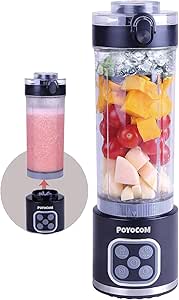
Choosing a German-engineered mini blender: Power, capacity, and durability considerations
When evaluating the WMF Küchenminis Kompaktmixer, focus on its specific 400-watt motor paired with an 0.8-liter glass container—a combination that defines its capabilities for small-batch blending. This isn't a generic mini blender but a German-designed appliance with Cromargan stainless steel blades and a pulse function, targeting users who need efficient processing without countertop domination.
Key Considerations Before Buying
- The 400-watt motor in this WMF model provides sufficient power for crushing ice and blending smoothies, but its compact size means it's designed for single servings or small portions rather than family-sized batches.
- The 0.8-liter glass container offers durability and stain resistance compared to plastic alternatives, but adds weight and requires careful handling to prevent breakage during cleaning or storage.
- The pulse function provides controlled processing for achieving specific textures, particularly useful for chopping nuts, making pesto, or creating chunky salsas where continuous blending would over-process ingredients.
What Our Analysts Recommend
Examine the blade assembly quality—WMF's Cromargan stainless steel should show precise welding and sharp edges without burrs. Check how the glass container seats onto the motor base; a secure, wobble-free fit indicates better engineering and reduces leakage risks during operation. Listen for consistent motor sound without straining noises when processing harder ingredients.
Mini Blenders Market Context
Market Overview
The mini blender segment has evolved from simple smoothie makers to versatile compact appliances, with German brands like WMF competing against Braun and Bosch by emphasizing motor efficiency and premium materials. Current trends favor models that balance power (300-500 watts) with container materials that avoid BPA and withstand frequent use.
Common Issues
Mini blenders often struggle with overheating during extended use, inadequate sealing causing leaks around blade assemblies, and plastic containers that stain or retain odors from ingredients like turmeric or garlic. Motor longevity varies significantly between brands claiming similar wattage ratings.
Quality Indicators
Superior mini blenders feature all-metal drive systems rather than plastic gears, containers with measurement markings for precise recipes, and blades that detach completely for thorough cleaning. German-engineered models typically emphasize thicker glass containers and corrosion-resistant blade materials like Cromargan stainless steel.
Review Authenticity Insights
Grade B Interpretation
A Grade B authenticity rating with 11% estimated fake reviews indicates predominantly genuine feedback, though approximately 1 in 9 reviews may be artificially positive. The adjusted 4.00 rating (down from 4.22) suggests the authentic customer experience is slightly less enthusiastic than the overall average implies.
Trust Recommendation
Focus on verified purchase reviews that mention specific usage over time, like 'after six months of daily smoothies' or 'handles frozen fruit well but struggles with whole nuts.' Be skeptical of reviews lacking detail about actual performance with the 0.8-liter capacity or pulse function functionality.
Tips for Reading Reviews
Prioritize German reviews that discuss long-term durability of the glass container and motor performance, as these reflect experience with the product's construction. Look for mentions of the Cromargan blades maintaining sharpness and the base stability during operation at full 400-watt power.
Expert Perspective
The WMF Küchenminis represents a premium compact blender option where German engineering justifies a higher price point compared to generic mini blenders. Its 400-watt motor provides adequate power for its intended small-batch applications, though users expecting to process large quantities or very hard ingredients should consider full-sized models. The glass container offers hygiene advantages over plastic but requires careful handling, while the pulse function adds versatility for textured foods beyond smoothies. The authenticity-adjusted 4.00 rating suggests consistent satisfaction among genuine owners who value durability over maximum capacity.
Purchase Considerations
This blender excels for single users, small households, or as a secondary appliance for specific tasks like salad dressings, baby food, or cocktail ingredients. Consider your typical batch sizes—the 0.8-liter capacity limits quantity but ensures efficient blending without excessive empty space. Evaluate whether you prefer glass (stain-resistant, odor-proof) versus plastic (lighter, less breakable) containers based on your kitchen habits.
Comparing Alternatives
Compare with Braun Multiquick models offering similar wattage with different container materials, and Bosch VitaPower blenders featuring different blade configurations for similar compact applications.