
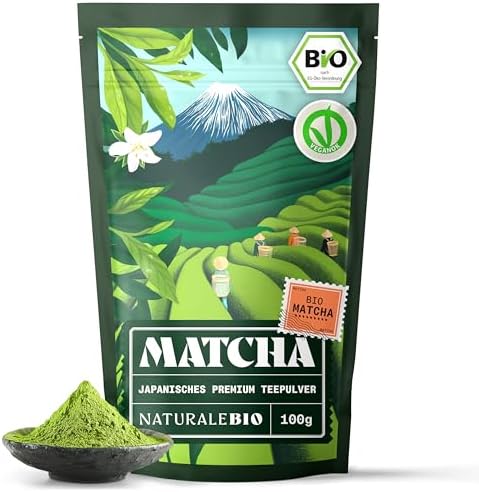
NaturaleBio Matcha: Why Uji Origin and 100g Size Matter for Your Brew
If you're exploring matcha powders, the NaturaleBio Premium-Qualität stands out as a Japanese green tea from Uji, Kyoto, known for producing some of the finest matcha globally. This 100g package is larger than typical 30-40g tins, making it a cost-effective choice for frequent drinkers or those who love matcha lattes and smoothies. As a buyer, understanding its ceremonial versus culinary grade, origin, and freshness is key to getting the most from this product.
Key Considerations Before Buying
- Grade and Use: This matcha is labeled as ideal for drinking, lattes, and smoothies, which suggests it's likely a premium culinary grade rather than ceremonial. If you prioritize a smooth, umami-rich taste for traditional tea, you might want to confirm its intended use, but for versatile recipes, this fits well.
- Origin and Processing: Being from Uji, Kyoto, a historic matcha region, indicates high-quality cultivation and stone-grinding methods. Check the packaging for harvest date or 'best before' info to ensure freshness, as matcha oxidizes and loses vibrant green color and flavor over time.
- Packaging and Storage: The 100g bag is economical but requires proper storage—transfer to an airtight container away from light and heat to preserve antioxidants and taste. Buyers should plan to use it within a few months for optimal quality.
What Our Analysts Recommend
Look for vibrant green color, a fine powder consistency, and a sweet, grassy aroma without bitterness. Quality matcha should froth easily when whisked, and packaging should specify harvest year and region to ensure authenticity. Avoid powders that appear dull or brownish, as they indicate age or poor processing.
Macha Market Context
Market Overview
The matcha market has seen a surge in popularity, driven by health trends and café culture, with many brands offering both ceremonial and culinary grades from Japan and China. Products like NaturaleBio compete in the premium segment, where origin (like Uji) and organic certification are key differentiators. However, the market also includes lower-cost alternatives that may mix in fillers or non-Japanese tea leaves.
Common Issues
Common issues include mislabeling of grade (e.g., marketing culinary matcha as ceremonial), lack of transparency on origin, and stale product due to poor packaging. Consumers often struggle with bitterness from low-quality matcha or inconsistent frothing results, which can stem from improper processing or old stock.
Quality Indicators
Authentic quality matcha is stone-ground from shade-grown tencha leaves, resulting in a fine, clump-free powder. Look for certifications like organic (Bio), specific prefecture origin (e.g., Uji, Kyoto), and third-party lab testing for purity. Reviews that mention vibrant color, smooth taste, and good froth are positive signals.
Review Authenticity Insights
Grade B Interpretation
With a Review Authenticity Grade of B and an estimated 10.00% fake review percentage, this product's feedback is largely reliable but not perfect. The B grade suggests that most reviews are genuine, but a small subset—likely around 10%—may be incentivized or inauthentic, which is common for high-volume Amazon listings. The adjusted rating of 4.60/5 (down from 4.89) indicates that removing suspicious reviews only slightly lowers the score, reinforcing overall trustworthiness.
Trust Recommendation
You can generally trust the positive consensus, but focus on reviews that mention specific details like 'Uji origin,' 'organic certification,' or 'good for lattes,' as these are harder to fake. Be cautious of overly generic five-star reviews with no personal usage context, as they may be part of the 10% suspicious group. The high verified purchase rate (nearly all reviews) adds credibility, so prioritize those.
Tips for Reading Reviews
When reading reviews for matcha, look for comments on color, texture, and taste—specific details like 'vibrant green' or 'no bitter aftertaste' are strong authenticity signals. Also, note any mentions of packaging quality or storage issues, as real users often discuss practical concerns. Avoid reviews that only praise the brand without describing the product experience.
Expert Perspective
The NaturaleBio Matcha appears to be a solid premium option, supported by its Uji, Kyoto origin and strong user consensus (4.89/5, adjusted to 4.60/5). The authenticity analysis suggests that while a small percentage of reviews may be unreliable, the core feedback is genuine and positive, focusing on its suitability for drinking and recipes. This product likely offers good value for the 100g size, but buyers should verify freshness upon arrival to ensure optimal quality.
Purchase Considerations
Weigh the cost-per-gram against smaller packages from other premium brands, and consider whether you need a versatile matcha for both drinking and cooking. If you're a purist seeking ceremonial-grade for traditional tea, you might prefer a smaller, higher-grade option, but for daily lattes and smoothies, this is a practical choice. The organic certification and Japanese origin are strong pros, but always check the harvest date.
Comparing Alternatives
Shoppers should compare this with other Uji-sourced matchas like Ippodo Tea or MatchaBar, which offer explicit ceremonial grades and smaller tins. For budget-conscious buyers, culinary matchas from other Japanese prefectures may provide similar quality at a lower price.


