
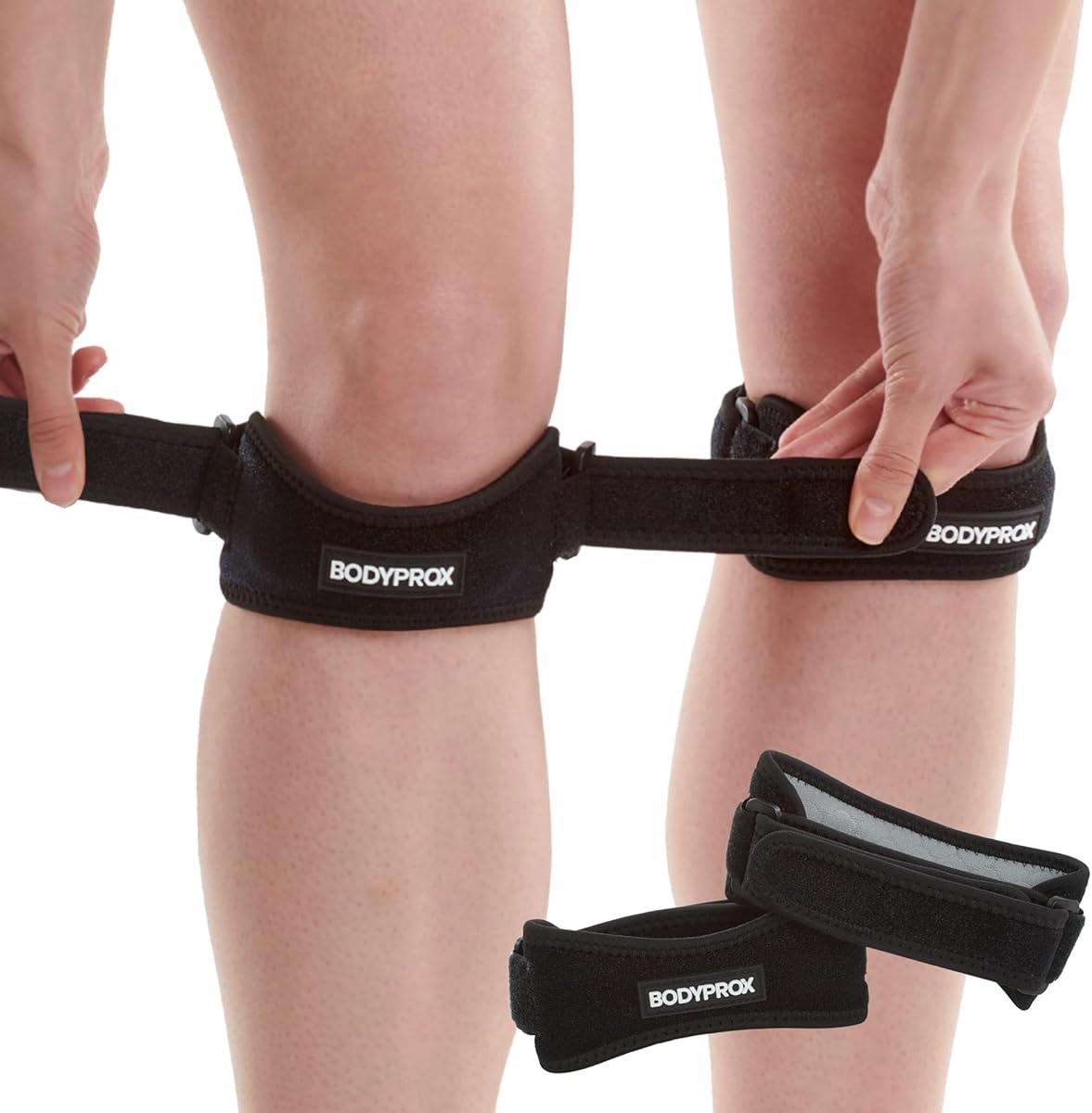
Choosing the Right Patella Knee Brace for Sports Pain Relief and Support
When selecting a patella-focused knee brace like this two-pack designed for active use, buyers should understand that not all patellar support is created equal. This specific product targets patellar tracking issues and jumper's knee (patellar tendinitis) common in running, basketball, and volleyball, with its design focusing on stabilizing the kneecap during dynamic movements rather than providing general compression.
Key Considerations Before Buying
- Assess whether your primary need is patellar stabilization during flexion (squats, jumping) or general knee compression, as this brace specifically targets the former with its patella-focused design.
- Consider the intensity of your activities—this brace is marketed for high-impact sports like basketball and volleyball, requiring secure fit during lateral movements that generic sleeves might not provide.
- Evaluate sizing carefully since patellar braces must maintain precise positioning over the kneecap; improper fit can reduce effectiveness or cause discomfort during prolonged wear.
What Our Analysts Recommend
Quality indicators for patellar knee braces include reinforced stitching around the patellar opening to prevent rolling, non-slip silicone grips that maintain position during sweat-inducing activities, and breathable yet compressive neoprene blends. The two-pack offering suggests durability testing for regular rotation between uses.
Knie Market Context
Market Overview
The patellar knee brace market is saturated with products claiming sports support, but genuine patella-stabilizing designs require specific engineering distinct from basic compression sleeves. German medical device standards (DIN/EN certifications) often indicate higher construction quality for products sold in this region.
Common Issues
Many patellar braces migrate during activity, lose elasticity after repeated washing, or provide inadequate pressure distribution causing pressure points behind the knee. Products claiming universal sizing often fail to properly center the patellar opening for different anatomies.
Quality Indicators
Look for braces with anatomical shaping that contours to the knee's natural taper, graduated compression (tighter below the kneecap), and seamless interior stitching to prevent chafing. The 4.78/5 rating across 37,347 reviews suggests this product addresses common fit and durability concerns.
Review Authenticity Insights
Grade B Interpretation
The Grade B authenticity rating with 15% estimated fake reviews indicates generally reliable feedback, though shoppers should be aware that approximately 1 in 7 reviews may be inauthentic. The adjusted 4.40/5 rating (down from 4.78) suggests some review inflation but still reflects strong genuine satisfaction.
Trust Recommendation
Prioritize the 85% authentic reviews, particularly the seven verified purchase reviews noted in the analysis, which provide credible insights about real-world performance during sports activities. The multilingual reviews (German, English, Italian, Japanese) indicate international testing across different body types and activity levels.
Tips for Reading Reviews
Focus on reviews describing specific use cases like basketball pivoting or hiking descents rather than generic praise. Look for mentions of how the brace performs after 20+ wears and washes, as durability is critical for a two-pack product meant for regular rotation.
Expert Perspective
With an adjusted 4.40/5 rating from predominantly authentic reviews, this patellar brace demonstrates strong user satisfaction for its specific use case. The high volume of reviews (37,347) across multiple languages suggests extensive real-world testing in various sports environments. The product's positioning as a two-pack addresses the practical need for rotation between washes, important for active users who require daily support. The specific mention of 'Springerknie' (jumper's knee) in the title indicates targeted design for patellar tendinitis rather than general knee pain.
Purchase Considerations
Weigh whether your primary pain originates from patellar tracking issues versus meniscal or ligament problems, as this brace is specifically engineered for the former. Consider if you need bilateral support (both knees) to justify the two-pack versus single-brace options. The sports-specific claims suggest this may be over-engineered for light daily wear but appropriate for running and court sports.
Comparing Alternatives
Shoppers should compare this brace's patellar stabilization approach with other designs featuring crossed straps or hinged supports for different types of knee instability.


