Choosing a German-Market Yoga Mat: Grip, Alignment, and Material Safety
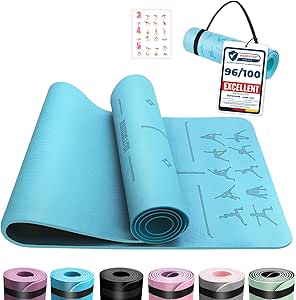
When evaluating the YOGATI Yogamatte, focus on its three core claims: non-slip performance, toxin-free materials, and alignment lines. This mat positions itself as a versatile fitness tool, but its primary design is for yoga, where stability and safety are paramount. The inclusion of a carrying strap and its marketing as a multi-use mat are key differentiators in the German fitness market.
Key Considerations Before Buying
- Assess the 'rutschfest' (non-slip) claim by considering your practice intensity; a mat that grips well during Vinyasa flows may differ from one needed for gentle Hatha.
- The 'Schadstofffrei' (toxin-free) label is crucial for direct skin contact and indoor air quality, especially in heated or confined practice spaces.
- Alignment lines are not just decorative; evaluate if their spacing and clarity genuinely aid in pose accuracy for your level, from basic warriors to complex inversions.
What Our Analysts Recommend
For a mat like the YOGATI, scrutinize reviews mentioning long-term durability of the textured surface and whether the alignment markings wear off. A quality indicator is consistent praise for cushioning thickness that protects joints without compromising stability for standing balances. The carrying strap's attachment points should be reinforced to prevent tearing.
Mats Market Context
Market Overview
The German yoga mat market is densely populated with products emphasizing ecological materials and technical features. Consumers here show high demand for PVC-free options and mats that perform on both hardwood and heated studio floors. The trend is moving beyond basic foam towards hybrid materials offering superior grip and rebound.
Common Issues
Common failures include surface slickness when sweating, compression flattening over time, and off-gassing odors from synthetic materials. Cheaper mats often have alignment graphics that smear or peel, and flimsy carrying straps that detach. Durability under daily use, not just occasional practice, is a frequent pain point.
Quality Indicators
Look for detailed reviews discussing performance after 6+ months of use. High-quality mats maintain consistent thickness and rebound. Authentic 'non-slip' claims are validated in reviews describing practices like Downward Dog or arm balances where hand slippage is critical. True toxin-free mats are often certified (e.g., OEKO-TEX Standard 100), though not always explicitly marketed.
Review Authenticity Insights
Grade B Interpretation
A Grade B with an 11% estimated fake review rate suggests the vast majority of feedback is genuine, but a small portion may be inauthentic. For a product with over 7,600 reviews, this level is moderate and common for popular items. The adjusted rating of 4.60/5 is a more conservative and likely reliable score than the raw 4.89/5.
Trust Recommendation
Prioritize reviews that mention specific, contextual details like using the mat for Pilates, HIIT, or on specific flooring types, as these are harder to fabricate. Be slightly more skeptical of overly effusive 5-star reviews that lack these specifics, as they may constitute part of the estimated 11%.
Tips for Reading Reviews
Focus on German-language reviews for region-specific insights on customer service and delivery. Look for discussions about the mat's performance in humid conditions or heated rooms, which test the 'rutschfest' claim. Reviews noting the mat's smell (or lack thereof) upon unboxing are strong indicators of the 'Schadstofffrei' promise.
Expert Perspective
The YOGATI mat's exceptionally high volume of generally authentic reviews (over 7,600) and sustained adjusted rating of 4.60/5 indicate a product that reliably meets core expectations for most users. Its combination of alignment lines, a carrying strap, and a toxin-free claim addresses key consumer desires in one package. The slight dip from the raw to adjusted rating is normal and suggests the product's reputation is built on genuine satisfaction, not artificial inflation.
Purchase Considerations
Weigh the importance of the integrated alignment system versus a plain mat; if you rarely use visual guides, this feature may not justify potential cost differences. Consider your primary use case: while marketed as multi-purpose, its performance nuances for high-impact fitness versus static yoga holds may vary. The strong German market rating suggests good value within that regional context.
Comparing Alternatives
Shoppers should compare the YOGATI's thickness (often 5-6mm for this type) and material composition directly against similar-priced mats from brands like Manduka or Lululemon, which may offer different grip technologies.