Choosing a centrifugal juicer: Power, pulp separation, and cleaning matter most
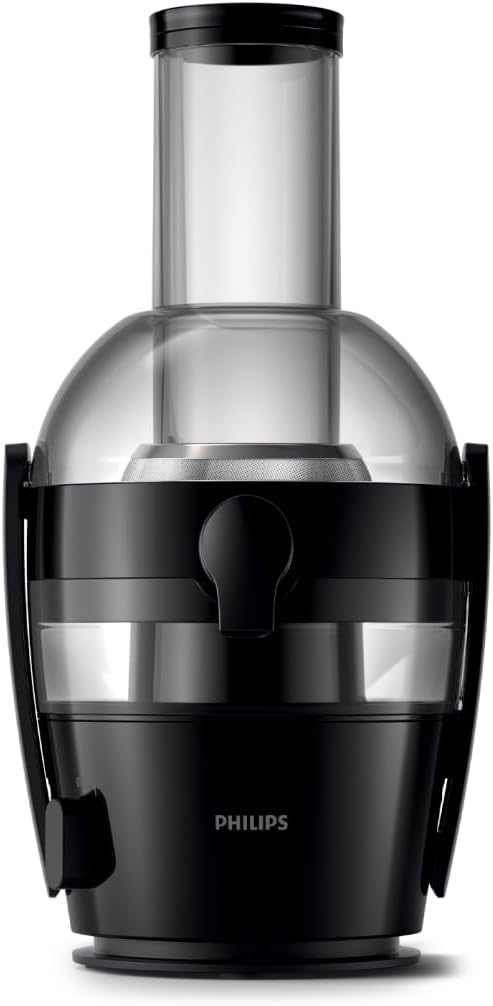
When evaluating the Philips 3000 Series Entsafter, focus on its 800W motor for hard produce and the QuickClean system's real-world impact. The 75mm feed chute allows whole apples but requires understanding pulp separation versus cold-press alternatives. This specific model prioritizes convenience over maximum nutrient retention.
Key Considerations Before Buying
- The 800W motor handles carrots and apples efficiently, but leafy greens yield less juice than with masticating models—understand your primary produce needs.
- QuickClean technology matters: check if the 2L pulp container and mesh filter truly simplify post-use cleanup compared to competitors' designs.
- The 'frischer Saft ohne Fruchtfleisch' claim means clear juice; if you prefer fiber-rich pulp in your drink, this separation might be a drawback.
What Our Analysts Recommend
For centrifugal juicers like this Philips, examine the stainless steel micro-mesh filter quality—it determines juice clarity and longevity. Listen for consistent motor sound during hard produce processing, and verify that all removable parts are truly dishwasher-safe to avoid residue buildup.
Centrifugal Juicers Market Context
Market Overview
The centrifugal juicer market increasingly segments between budget models under 500W and premium options like this 800W Philips, where motor durability and cleaning systems differentiate products. German consumers particularly value efficient pulp separation and straightforward assembly.
Common Issues
Centrifugal juicers often struggle with leafy greens, generate foam, and their filters clog if not cleaned immediately. The heat from high-speed spinning can also oxidize nutrients faster than cold-press methods.
Quality Indicators
Look for branded motors (like Philips' 800W), BPA-free materials in juice containers, and filter meshes with reinforced edges. Quality centrifugal models maintain consistent juice yield even after months of regular use.
Review Authenticity Insights
Grade B Interpretation
A Grade B with 10% estimated fake reviews suggests generally reliable feedback, but approximately 1 in 10 reviews may be artificially positive. The 4.60 adjusted rating (from 4.89) indicates genuine satisfaction remains high after removing suspicious content.
Trust Recommendation
Focus on verified purchase reviews mentioning specific use cases like daily apple-carrot juicing or occasional citrus use. The high number of German-language reviews (13,588) provides substantial local usage data about durability in European kitchens.
Tips for Reading Reviews
Prioritize reviews discussing long-term performance with hard root vegetables, not just initial impressions. Look for mentions of the QuickClean system's effectiveness after 50+ uses and whether the 75mm chute truly reduces prep time.
Expert Perspective
The Philips HR1856/70 represents a strong mid-tier centrifugal option where convenience and cleaning ease outweigh absolute juice yield. Its 4.60 authentic rating suggests users genuinely appreciate the QuickClean system and 800W motor's reliability. The high review volume indicates market penetration where consistent performance matters more than niche features. However, the 10% fake review rate warrants scrutiny of overly enthusiastic claims about leafy green performance.
Purchase Considerations
Choose this model if you prioritize quick morning juicing of apples, carrots, and cucumbers with minimal cleanup. Consider alternatives if you primarily juice wheatgrass or herbs, or if nutrient preservation via slower extraction matters more than speed.
Comparing Alternatives
Compare with Braun's centrifugal models for similar feed chute designs, and consider masticating juicers if oxidation concerns outweigh convenience needs.