Choosing USB 3.0 Extension Cables: Why Build Quality and Connector Integrity Matter
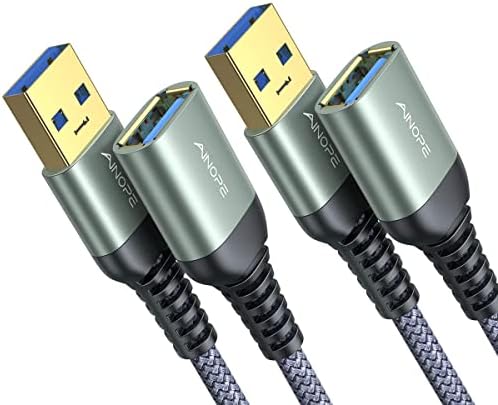
When selecting USB 3.0 extension cables like the AINOPE 2-pack, focus on the specific use case—extending peripherals like card readers, printers, or scanners—not high-speed data transfer between computers. This product's 2-meter length and aluminum connectors target durability over maximum bandwidth, which is appropriate for its intended accessory applications. The nylon braiding suggests a focus on cable longevity in desktop environments.
Key Considerations Before Buying
- USB 3.0 extension cables (Type-A male to female) are designed to extend existing cables, not replace them; verify your device's original cable has a standard Type-A connector before purchase.
- For peripherals like card readers or scanners, signal integrity over 2 meters is less critical than for external SSDs; this cable's construction prioritizes physical durability with aluminum housings and a braided jacket.
- The 2-pack offering is practical for setting up multiple stationary peripherals (printer, scanner) but redundant if you need a single, longer run; assess your actual layout needs.
What Our Analysts Recommend
Quality indicators for this category include a robust strain relief where the cable meets the connector—a common failure point—and connectors that maintain a snug fit without excessive force. The use of a woven nylon sheath, as seen here, generally offers better abrasion resistance than PVC but check that the weave is tight and consistent. For USB 3.0, ensure the internal blue plastic tab is present and correctly colored, confirming the specification.
USB Cables Market Context
Market Overview
The market for USB 3.0 Type-A extension cables is mature, with many offerings competing on price and aesthetic features like braided cables or colored connectors, rather than groundbreaking technical improvements. Products like the AINOPE set position themselves as durable, value-oriented solutions for extending desktop setups, not for cutting-edge data transfer.
Common Issues
Common failures include degraded data speeds or intermittent connections due to poor shielding over the extended length, and connector housings that loosen over time, leading to disconnections. Users often mistakenly expect these extensions to perform identically to a single, high-quality integrated cable of the same total length.
Quality Indicators
Look for cables that explicitly mention shielding (like foil or braid shielding) to maintain USB 3.0's 5 Gbps signal integrity over distance. The connector's internal pin construction should be precise; cheaper cables may have misaligned pins causing damage. A well-molded strain relief that is part of the connector housing, not just a sleeve, is a key durability feature.
Review Authenticity Insights
Grade C Interpretation
A 'Grade C' with an estimated 22% fake review rate indicates a mixed review landscape. While the adjusted rating of 4.40/5 is still solid, it suggests a meaningful portion of feedback may be artificially positive, potentially inflating perceptions of reliability or performance.
Trust Recommendation
Prioritize reviews that detail long-term use (6+ months) and mention specific peripherals like card readers or printers, as these are more likely genuine. Be skeptical of reviews that only praise packaging or aesthetics without discussing function over time. The high number of total reviews (15,456) means there is substantial genuine feedback to sift through.
Tips for Reading Reviews
For this product type, seek out reviews that test actual data transfer speeds with a USB 3.0 device, not just connectivity. Reviews noting a secure, non-wobbly connector fit are more valuable than generic 'works great' statements. Pay close attention to any 1- or 2-star reviews citing failure after a few months—this can reveal durability flaws.
Expert Perspective
The AINOPE extension cables present a competent, value-driven option for extending USB-A peripherals in a static desk setup. The combination of aluminum connectors and a braided jacket targets physical durability, which aligns with common user pain points. The significant gap between the raw rating (4.89) and adjusted rating (4.40) underscores the importance of discounting potentially inflated praise. For basic extension tasks with keyboards, printers, or card readers, this product likely performs adequately, but it is not a premium solution for critical high-speed data transfer.
Purchase Considerations
Weigh the need for a 2-pack against the potential savings of buying a single, potentially higher-quality cable if you only have one peripheral. Consider if your device truly uses a standard USB-A cable; many modern peripherals use proprietary or different connectors. The 'C' authenticity grade advises a cautious approach—verify the product's performance claims against the more critical, mid-star reviews.
Comparing Alternatives
Shoppers should compare the connector build quality and shielding specifications with similarly priced options, as these factors dictate long-term reliability more than aesthetics.