
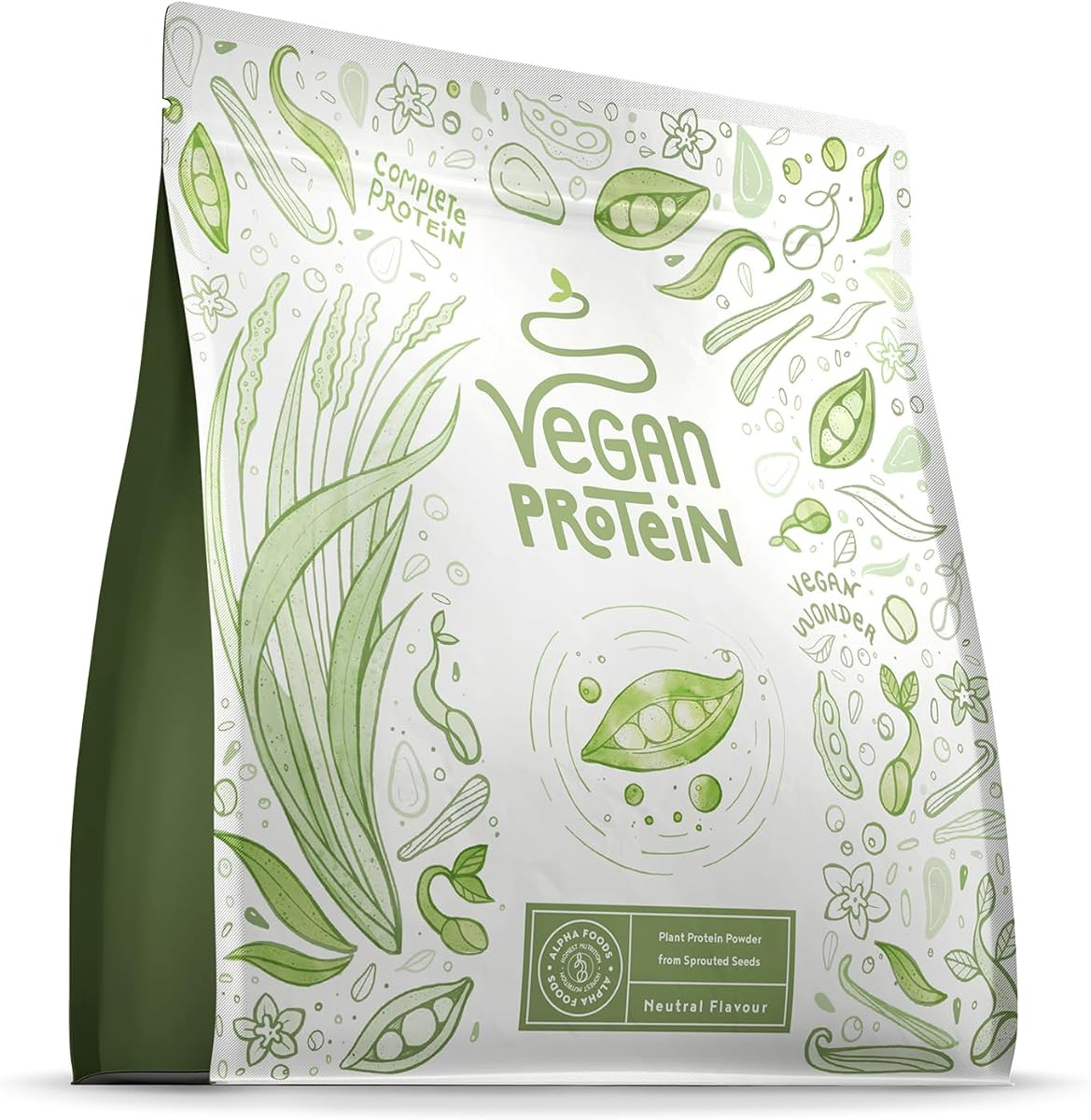
Vegan Protein Powder: Why Neutral, Unsweetened Pea Protein Wins
When you're shopping for a vegan protein powder, especially one like Alpha Foods' neutral, unsweetened pea protein, the focus shifts from flavor to purity and versatility. This 600g option is designed for those who want to control their own sweeteners and mix-ins, making it a staple for smoothies, baking, or savory dishes. Understanding what makes a quality neutral pea protein can save you from chalky textures or hidden additives.
Key Considerations Before Buying
- Check the protein content per serving—ideally you want at least 20g of protein per 30g scoop, and ensure the amino acid profile is complete, particularly lysine and methionine, which are often lower in plant proteins.
- Neutral and unsweetened means you'll need to flavor it yourself; consider if you're comfortable with the earthy taste of pea protein and whether you'll use it in recipes where that can be masked.
- Look for the source and processing—'Made in Germany' suggests strict quality controls, but also verify if it's a concentrate, isolate, or hydrolysate, as this affects digestibility and price.
What Our Analysts Recommend
For a premium neutral pea protein, examine the ingredient list for minimal additives—ideally just pea protein isolate and maybe a natural anti-caking agent. Also, consider the mixability and texture; high-quality isolates tend to be smoother. Finally, check for third-party testing or certifications like organic or non-GMO, which add credibility to the 'premium' claim.
Pea Proteins Market Context
Market Overview
The plant-based protein market is booming, with pea protein leading due to its sustainability and hypoallergenic properties. Consumers are increasingly seeking unflavored options to avoid artificial sweeteners and to use in versatile cooking, not just shakes.
Common Issues
Common complaints include a gritty or chalky texture, strong beany aftertaste, and poor solubility leading to clumping. Additionally, some products mask quality issues with heavy flavoring, so neutral powders often expose subpar production.
Quality Indicators
Quality indicators include a fine, consistent powder that disperses easily, a mild aroma, and a protein content of 80-90% for isolates. Also, look for transparent sourcing and manufacturing practices, such as a clear 'Made in Germany' label, which often implies adherence to stringent EU regulations.
Review Authenticity Insights
Grade B Interpretation
The Grade B authenticity rating and 10% estimated fake review rate indicate that while the majority of reviews are genuine, a small but notable portion may be incentivized or non-verified. This is relatively common in the supplement category, but it's good to be aware that the 4.67 star average might be slightly inflated; the adjusted 4.40 is a more realistic expectation.
Trust Recommendation
Trust the detailed, personal reviews that mention specific usage contexts, like baking or post-workout shakes, as these are likely from real users. Be cautious of overly short, five-star reviews with vague praise. Given the moderate fake rate, it's wise to sample a smaller size first if available, to test your own tolerance and taste.
Tips for Reading Reviews
When reading reviews for this product, focus on comments about texture and aftertaste, as these are the most common pain points for neutral pea proteins. Look for reviewers who mention mixing methods (blender vs. shaker) and any digestive comfort issues. Also, check if reviewers compare it to other brands, which often indicates a more informed and trustworthy opinion.
Expert Perspective
Alpha Foods' neutral, unsweetened vegan protein powder appears to be a solid choice for those prioritizing purity and flexibility. The 'Made in Germany' claim and the product's positioning as 'premium' align with the higher adjusted rating, suggesting reliable quality. However, the 10% fake review rate means you should temper your expectations slightly, but the genuine reviews indicate it performs well in terms of mixability and versatility.
Purchase Considerations
Weigh the cost per gram of protein compared to other pea proteins on the market. Since it's unsweetened, you'll need to add your own flavorings, which could be an extra expense. Also, consider your dietary needs—if you're sensitive to legumes, this might not be ideal, but for most, it's a clean, allergen-friendly option.
Comparing Alternatives
It's wise to compare this with other neutral pea proteins from brands like Naked Nutrition or Anthony's, which also offer minimal ingredients. Check for differences in protein concentration, amino acid profiles, and customer feedback on taste and texture to ensure you're getting the best value for your goals.


