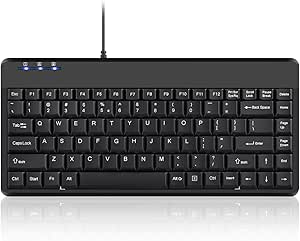
CUQI Mini Keyboard: Tiny Keys, Big DIY Potential?
If you are tinkering with a Raspberry Pi, setting up a media center on a TV box, or just need a ridiculously compact keyboard for a specific project, the CUQI USB Mini Keyboard is a niche tool that prioritizes portability over typing comfort. This guide will help you decide if its ultra-miniature form factor and DIY-friendly design fit your specific needs, especially given its mixed user feedback.
Key Considerations Before Buying
- Form Factor vs. Function: At roughly the size of a TV remote, this keyboard is not designed for prolonged typing sessions. Consider whether you need a compact input device for occasional commands or a full-size keyboard for regular use.
- Compatibility Check: While it advertises support for Windows, Raspberry Pi, and TV boxes, some users report varied success with different operating systems and devices. Verify that your specific setup (e.g., a particular Android TV box or Linux distro) will recognize it without additional drivers.
- Build Quality and Key Feel: The mini keys are tightly spaced and may feel mushy or unresponsive to some users. If you require tactile feedback or precise keystrokes, especially for gaming or coding, test or research the key switch type before buying.
What Our Analysts Recommend
For a keyboard in this ultra-compact class, look for models with clear compatibility lists, sturdy construction (like a metal backplate), and positive user feedback specifically about key responsiveness. The CUQI's 3.89/5 rating suggests it works well for many, but the 10% potentially fake reviews mean you should read critical reviews to gauge real-world performance.
Keyboards Market Context
Market Overview
The market for mini and portable keyboards has expanded with the rise of single-board computers like Raspberry Pi, smart TVs, and home theater PCs. Products range from full-sized but foldable keyboards to ultra-compact 'remote' style units like the CUQI, which trade typing comfort for extreme portability and low cost.
Common Issues
Common problems in this category include poor wireless connectivity (if applicable), key ghosting (where simultaneous key presses are not registered), and unreliable compatibility with non-Windows devices. The CUQI's wired USB connection may avoid connectivity drops, but its tiny layout can still lead to frequent typing errors.
Quality Indicators
Quality indicators for mini keyboards include the use of scissor-switch or mechanical keys for better feel, a weighted base to prevent sliding, and clear documentation on driver requirements. For the CUQI, user reports of its performance with specific TV boxes and Raspberry Pi models are more valuable than general ratings.
Review Authenticity Insights
Grade B Interpretation
With a Grade B and an estimated 10% fake review rate, the CUQI's review pool is mostly trustworthy but contains some noise. This means the 3.89/5 average is slightly inflated, and the adjusted rating of 3.70/5 is a more realistic baseline. You can still rely on the majority of user experiences, but be wary of overly glowing five-star reviews with no specific context.
Trust Recommendation
Focus your attention on the 3- and 4-star reviews, as they often provide balanced, specific feedback about the keyboard's real-world performance, such as its utility on a yacht or with a specific TV box model. Discount any reviews that seem generic or do not mention a specific use case, as they may be part of the 10% fake group.
Tips for Reading Reviews
For a niche product like this, prioritize reviews that describe the exact setup you intend to use (e.g., 'Works with my Raspberry Pi 4 running RetroPie' or 'Not compatible with my Amazon Fire TV'). Also, look for reviews that mention the keyboard's size and key spacing in detail, as this is a critical factor for usability.
Expert Perspective
The CUQI USB Mini Keyboard is a functional but deeply specialized tool. Its 3.70/5 adjusted rating and Grade B authenticity score suggest it is a legitimate product that satisfies a specific need—compact, wired input for DIY projects—but is not a general-purpose keyboard. The high proportion of genuine, context-rich reviews (90%) indicates that buyers who understand its limitations (tiny keys, no wireless) are generally satisfied, while those expecting a full typing experience are disappointed.
Purchase Considerations
Weigh the CUQI's low cost and extreme portability against the potential frustration of its cramped layout. If your primary use is entering short commands on a Raspberry Pi or controlling a media center, the trade-off may be acceptable. However, if you plan to type more than a few sentences at a time, consider a larger mini keyboard or a full-size model.
Comparing Alternatives
Shoppers should compare the CUQI with other ultra-compact keyboards that offer similar form factors but may have better key feel or broader compatibility, such as foldable Bluetooth keyboards or models with built-in touchpads for TV box control.