
Choosing a USB-C to USB-A 3.0 Adapter: What German Tech Users Need to Know
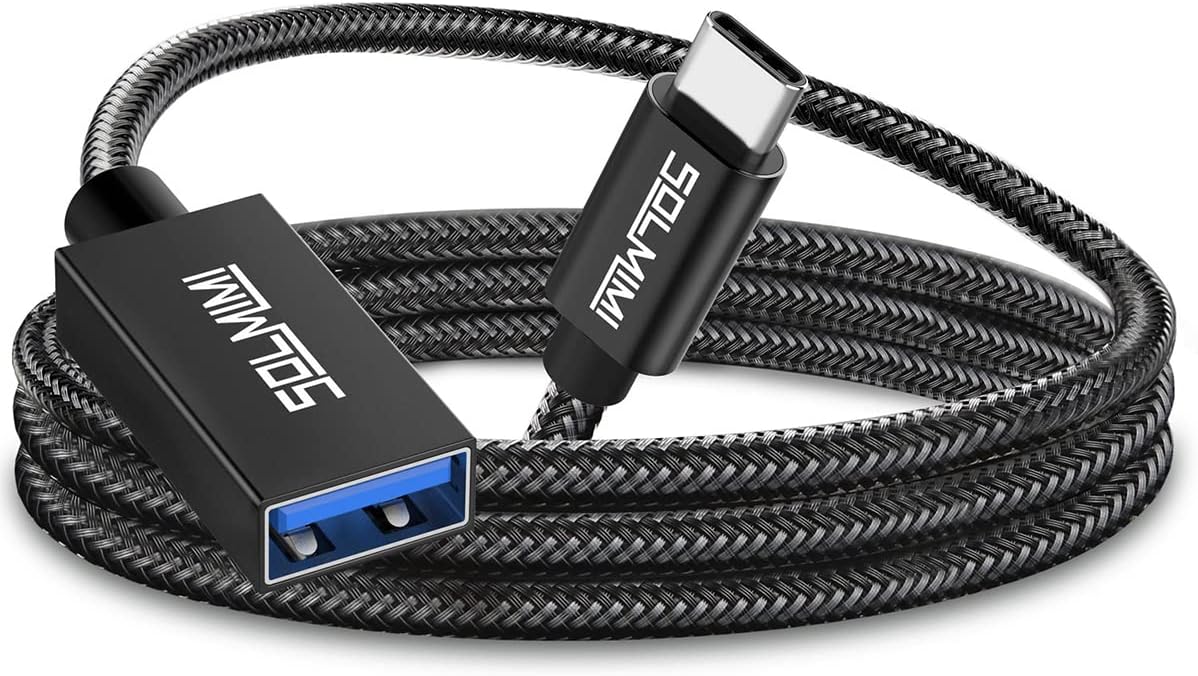
This 1.2-meter USB-C to USB-A 3.0 adapter with OTG functionality serves a specific purpose: bridging the gap between modern USB-C devices and legacy USB-A peripherals. For German consumers with laptops, tablets, or phones featuring only Type-C ports, this adapter enables connectivity with keyboards, mice, storage devices, and other essential USB-A accessories. The 1.2m length offers practical flexibility compared to shorter dongles.
Key Considerations Before Buying
- Verify OTG (On-The-Go) compatibility if you intend to connect peripherals like keyboards or card readers directly to smartphones or tablets, as not all adapters support this host functionality.
- Confirm the USB 3.0 (5 Gbps) speed rating is genuine if you plan to transfer data from external drives or flash storage, as some cheaper adapters may only support slower USB 2.0 speeds.
- Check the build quality of the Type-C connector, as a loose or poorly molded connection can damage your device's port over time, especially with frequent plugging and unplugging.
What Our Analysts Recommend
A quality adapter will have clear, molded strain relief at both connector ends to prevent cable breakage. Look for products that explicitly state support for USB 3.0/3.1 Gen 1 (5 Gbps) and OTG, not just 'data transfer.' The internal chipset, though invisible, determines reliability; reviews mentioning consistent performance with various peripherals are a good indicator.
USB to USB Adapters Market Context
Market Overview
The German market for USB-C adapters is saturated with low-cost options, but quality varies significantly. This product sits in the mid-range, offering a 1.2m cable length which is less common than stubby 10cm adapters, providing more practical use-case flexibility. The inclusion of OTG support makes it versatile for mobile devices.
Common Issues
Common failures include adapters that only charge but don't transfer data, OTG functions that work intermittently with certain peripherals, and connectors that become loose quickly. Another frequent complaint is adapters falsely advertised as USB 3.0 but actually operating at USB 2.0 speeds (480 Mbps).
Quality Indicators
Beyond specifications, consistent user feedback on reliable data transfer speeds and broad peripheral compatibility is a key quality signal. A well-constructed connector that fits snugly without being overly tight, and a flexible yet durable cable jacket, are physical hallmarks of a better-made product.
Review Authenticity Insights
Grade B Interpretation
A 'Grade B' authenticity rating with an estimated 11% fake review rate suggests the majority of the 197 reviews are genuine, but a small portion may be inauthentic. The adjusted rating of 4.60/5 (down from 4.89/5) after filtering suspicious reviews is still exceptionally strong for this category, indicating widespread real-user satisfaction.
Trust Recommendation
Focus on the detailed, verified purchase reviews that mention specific use cases, like connecting a particular model of mouse, external SSD, or card reader. The high number of verified purchases significantly boosts credibility. Be slightly more critical of overly vague 5-star reviews that lack detail.
Tips for Reading Reviews
Prioritize German-language reviews that discuss long-term use over several months and mention compatibility with specific German-market peripheral brands. Look for reviews that test both data transfer speeds and power delivery to connected devices, as this validates the advertised USB 3.0 and OTG claims.
Expert Perspective
The analysis data paints a picture of a functionally reliable product. A 4.60 adjusted rating from verified purchasers is impressive in the adapter space, where failure rates are high. The 1.2m length is a distinct advantage, reducing strain on device ports compared to short adapters. The strong performance in OTG functionality for mobile devices appears to be a key driver of positive feedback. The minor authenticity concerns are offset by the high verification rate.
Purchase Considerations
This adapter is a strong candidate if your primary need is reliable connectivity for standard USB-A peripherals (keyboards, mice, flash drives, card readers) to a USB-C host device, especially if OTG for phones/tablets is required. Weigh the 1.2m cable as a benefit for desk use but a potential drawback for ultra-portable travel kits where a shorter adapter might be preferable.
Comparing Alternatives
Shoppers should compare this 1.2m cabled adapter against shorter 'dongle-style' adapters and multi-port hubs if they need to connect more than one peripheral simultaneously.


![60W [Apple MFi Zertifiziert] Lightning auf USB C Adapter für Schnelles Laden Kompatibel mit iPhone 17/16/15 Pro Max, MacBook, iPad Air/Pro - [3 Stück, Rosa]](https://m.media-amazon.com/images/I/31ye65TY+NL._SX342_SY445_QL70_ML2_.jpg)


