
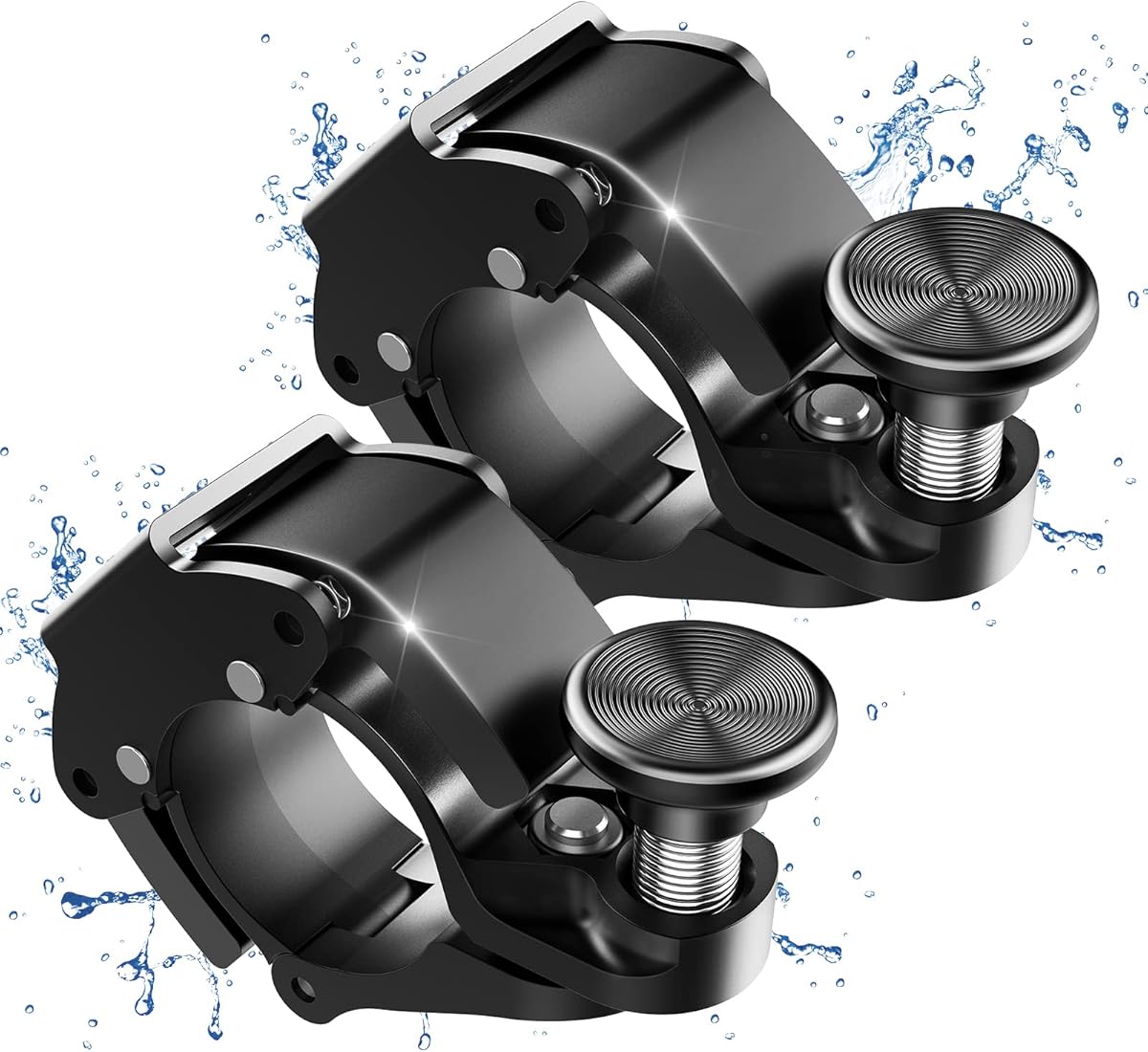
Choosing a Mini Bike Bell: Loudness, Mounting, and Material Matter Most
When selecting a compact bicycle bell like this 100dB aluminium model, German cyclists should prioritize three factors: decibel output for urban traffic, secure 22-24mm handlebar compatibility, and durable construction for all-weather riding. This specific product's miniaturized design requires careful evaluation against your riding environment and bike setup.
Key Considerations Before Buying
- Verify your handlebar diameter precisely—this bell's 22-24mm clamp won't fit oversized or aero bars common on newer road bikes.
- Assess your noise needs: 100dB is effective for city traffic but may be excessive for quiet trail use where a gentler tone suffices.
- Consider installation permanence: the tool-free mount is convenient but may not provide the same vibration resistance as bolted alternatives.
What Our Analysts Recommend
Quality mini bells feature consistent anodized finishes that resist corrosion, not just paint. The striker mechanism should produce a crisp, non-muffled ring without excessive force. For this product, examine reviews mentioning the thumb lever's ergonomics—a critical detail for quick activation while riding.
Klingeln & Hupen Market Context
Market Overview
The German Fahrradklingel market increasingly favors compact, high-decibel models like this aluminium option, driven by urban cycling regulations requiring audible signals. Mini bells now compete with electronic horns, but traditional mechanical designs maintain popularity for reliability and no-battery operation.
Common Issues
Buyers frequently report compatibility problems with non-standard handlebars, tone degradation in wet conditions, and mounting systems that slip or rotate during aggressive riding. Miniaturization often compromises sound projection compared to full-size bells.
Quality Indicators
Superior bells use CNC-machined aluminium rather than cast metal, feature stainless steel internal springs, and include rubberized shims for vibration damping. The striker's pivot point should show precise machining without plastic components.
Review Authenticity Insights
Grade B Interpretation
A Grade B with 11% estimated fake reviews indicates predominantly authentic feedback with moderate manipulation concerns. For this product, it suggests most experiences are genuine but some positive reviews may exaggerate loudness or durability claims.
Trust Recommendation
Focus on verified purchase reviews mentioning specific riding conditions—German city commuting versus forest trails—and note consistent complaints about the mounting mechanism. The 0.23-point rating drop after adjustment suggests tempered enthusiasm.
Tips for Reading Reviews
Prioritize reviews discussing long-term use (3+ months) and weather exposure. German cyclists' experiences with TÜV compliance and urban effectiveness provide more actionable insights than generic praise.
Expert Perspective
This aluminium mini bell presents a compelling option for urban cyclists needing compact, high-volume signaling. The 4.10 adjusted rating from 3,624 reviews indicates solid satisfaction, though the 11% fake review rate warrants scrutiny of durability claims. Its 100dB output meets German traffic requirements, but the 22-24mm clamp limits compatibility. The anodized finish should withstand typical German weather better than painted alternatives.
Purchase Considerations
Weigh the convenience of tool-free installation against potential slippage during MTB use. Consider whether the minimalist design justifies potential tone compromise compared to larger bells. For e-bike riders, ensure the bell's volume overcomes motor noise at cruising speeds.
Comparing Alternatives
Compare mounting systems and decibel ratings with similar-priced models from Crane, Spurcycle, or RockBros before deciding.


