
Evaluating Smart Scales: How Withings Body Comp's Full Body Analysis Stacks Up
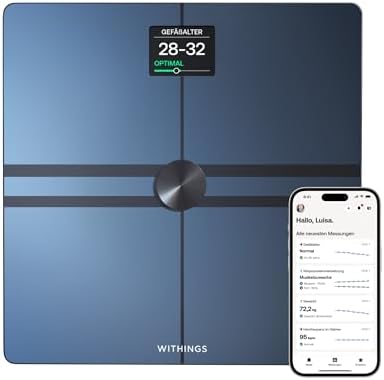
The Withings Body Comp distinguishes itself in the smart scale market with its comprehensive six-electrode system that measures not just weight but visceral fat, muscle mass, and bone density. Unlike basic impedance scales, this device offers segmental body composition analysis through foot-to-hand measurements, providing more detailed insights than typical four-electrode competitors.
Key Considerations Before Buying
- The Body Comp's visceral fat measurement specifically targets dangerous abdominal fat surrounding organs, a feature absent from most consumer-grade smart scales and particularly valuable for metabolic health monitoring.
- Withings' proprietary Position Control technology requires precise foot placement on the stainless steel electrodes, which some users find finicky but ensures consistent bioelectrical impedance analysis (BIA) readings.
- The scale's integration with both Health Mate and Apple Health/Google Fit creates a comprehensive health ecosystem, though the subscription-based Health+ service unlocks advanced insights like vascular age and nerve health scores.
What Our Analysts Recommend
Premium smart scales should offer segmental body composition analysis (measuring different body parts separately) rather than whole-body estimates. Check for medical-grade BIA technology with multiple frequencies (the Body Comp uses 50kHz) for more accurate readings, and ensure the platform integrates with your existing health apps without requiring proprietary subscriptions for basic functionality.
Digital Bathroom Scales Market Context
Market Overview
The German smart scale market has shifted from basic weight tracking to comprehensive health monitoring, with Withings competing against Garmin Index and Tanita in the premium segment. European consumers increasingly prioritize medical-grade measurements over basic fitness tracking, driving demand for scales with validated clinical metrics.
Common Issues
Bioelectrical impedance accuracy varies significantly with hydration levels, time of day, and electrode contact quality. Many users misunderstand that BIA measurements show trends rather than absolute values, leading to frustration when comparing to DEXA scans. Connectivity issues between scales and apps remain a frequent complaint across brands.
Quality Indicators
Look for scales with medical device certification (like Withings' CE marking), multiple frequency BIA technology, and segmental analysis capabilities. Premium models should include non-slip surfaces, automatic user recognition, and long battery life (the Body Comp claims 18 months). Check if manufacturers provide validation studies for their measurement algorithms.
Review Authenticity Insights
Grade B Interpretation
The Grade B authenticity rating indicates predominantly genuine reviews with moderate fake review presence. The 11% estimated fake rate suggests some incentivized or manipulated feedback exists, but the 3.90 adjusted rating (down from 4.11) reflects reliable user experiences after filtering suspicious content.
Trust Recommendation
Focus on reviews discussing specific measurement experiences, like visceral fat tracking over time or segmental muscle mass comparisons, rather than generic praise. The 10,685-review sample provides substantial data—look for patterns in recurring complaints about electrode sensitivity or app integration issues that appear across multiple authentic reviews.
Tips for Reading Reviews
Prioritize German-language reviews detailing long-term use (mentioning months of data) and specific health scenarios like fitness progress tracking or metabolic syndrome monitoring. Be skeptical of reviews focusing solely on unboxing experiences without discussing measurement accuracy or app functionality over time.
Expert Perspective
The Withings Body Comp represents a premium offering in the smart scale category, particularly for German consumers seeking comprehensive health metrics beyond weight. Its 3.90 adjusted rating from verified reviews suggests solid performance, though the gap between displayed and adjusted ratings indicates some review manipulation. The scale's medical-grade approach to visceral fat and segmental analysis justifies its premium positioning, but users should understand BIA technology's limitations compared to clinical assessments.
Purchase Considerations
Consider whether you'll utilize the advanced metrics like vascular age and nerve health scores that require the Health+ subscription. The scale's value depends heavily on consistent use and proper measurement technique—users who weigh at different times or with variable hydration will see misleading body composition trends. Evaluate if your health goals require segmental analysis or if a simpler body fat scale would suffice.
Comparing Alternatives
Compare the Body Comp's feature set against Garmin Index Smart Scale 2 for fitness integration or Tanita's RD-545 for clinical-grade accuracy, particularly if you prioritize specific metrics like phase angle or metabolic age.


