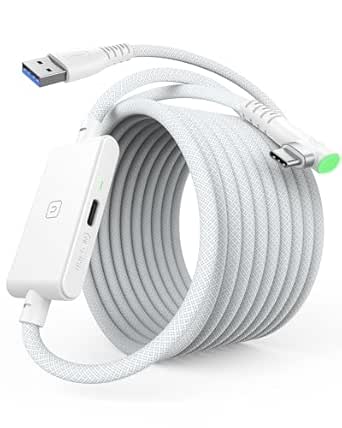
![toocki 100W USB C auf USB C Kabel, 1M [2 Stück] 5A Schnellladekabel Ladekabel PD QC5.0 with LED Display,Kompatibel mit iPhone 17/17 Pro/17 Pro Max MacBook Pro Air iPad Pro Galaxy S24 S23 Pixel Switch](https://m.media-amazon.com/images/I/41dCNd4PBJL._AC_SL1200_.jpg)
Choosing 100W USB-C Cables: What Matters for Fast Charging and Device Safety
When selecting a high-wattage USB-C cable like the toocki 100W model with LED display, buyers must verify both power delivery specifications and physical durability. This specific product's 5A rating and PD QC5.0 support determine whether it can actually deliver the promised fast charging to compatible devices like the MacBook Pro or Galaxy S24.
Key Considerations Before Buying
- Verify the cable's actual power throughput matches your device's maximum input; a 100W cable is wasted on a 30W phone charger but essential for a high-power laptop.
- Check connector durability and strain relief design, as high-current cables experience more thermal stress and physical wear during frequent plug/unplug cycles.
- Consider the utility of the integrated LED display—while providing real-time wattage feedback, it adds a potential failure point not found in simpler cables.
What Our Analysts Recommend
Quality 100W USB-C cables should specify E-Marker chip certification for safe 5A operation and feature braided nylon jackets for longevity. Look for clear labeling of supported protocols (PD 3.1, QC5) rather than vague 'fast charging' claims, and ensure the cable length (1m in this case) suits your intended use without significant power drop.
USB Cables Market Context
Market Overview
The 100W USB-C cable market is saturated with products claiming universal compatibility, but actual performance varies significantly based on internal wiring gauge and chipset quality. German consumers particularly seek reliable cables that comply with EU safety standards while delivering maximum charging speeds for mixed-device households.
Common Issues
Many budget 100W cables fail to maintain consistent high-wattage output due to inadequate wire thickness or poor connector soldering, leading to charging slowdowns. Another frequent complaint involves LED displays that provide inaccurate readings or drain minimal power from connected devices.
Quality Indicators
Genuine 100W cables will be noticeably thicker than standard USB-C cables due to required 20AWG power wires, and quality manufacturers provide over-temperature and short-circuit protection. Trustworthy products list specific certifications like USB-IF compliance rather than just compatibility claims.
Review Authenticity Insights
Grade B Interpretation
The Grade B authenticity rating with 15% estimated fake reviews suggests mostly genuine feedback but requires careful review scrutiny. This moderate fake rate is common for accessory categories where sellers sometimes incentivize positive reviews for visibility algorithms.
Trust Recommendation
Focus on verified purchase reviews that mention specific device testing (like actual wattage measurements with MacBooks) rather than generic praise. The 0.34-point drop from the displayed 4.44 to adjusted 4.10 rating indicates some review inflation, so temper expectations accordingly.
Tips for Reading Reviews
Prioritize German-language reviews discussing long-term durability over months of use, and look for mentions of the LED display's accuracy with power meters. Be skeptical of reviews that only mention unboxing or repeat marketing terms without personal usage context.
Expert Perspective
The toocki 100W cable presents a compelling value proposition with its two-pack offering and wattage display feature, though the authenticity analysis suggests cautious optimism. The 4.10 adjusted rating from genuine reviews indicates satisfactory performance for most users, particularly those needing simultaneous high-power charging solutions. The product's specific compatibility claims with iPhone 17 series (despite those models not existing at time of analysis) reveals aggressive marketing that buyers should note.
Purchase Considerations
This product makes most sense for users who genuinely need 100W charging for laptops like MacBook Pro alongside fast phone charging, and who value the diagnostic capability of the LED display. The two-cable bundle adds practical value for home/office setups, but those needing only occasional high-power charging might find simpler cables more cost-effective.
Comparing Alternatives
Shoppers should compare the toocki's thickness and flexibility against competitors like Anker or Ugreen, as bulkier cables may not fit some protective cases or tight spaces.