
Choosing a USB-C Extension Cable: Speed, Compatibility, and Build Quality
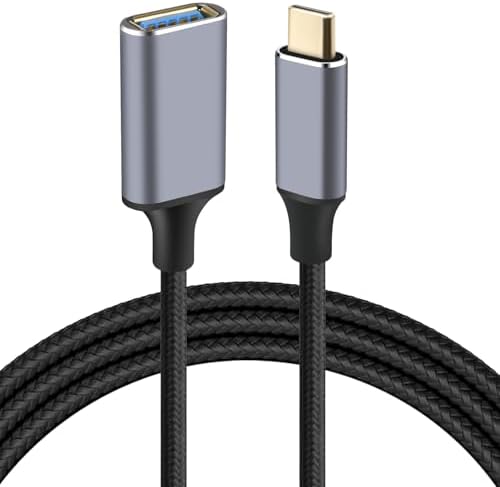
The AXFEE USB-C extension cable serves a specific niche: extending existing USB-C connections rather than replacing them. This 1-meter Type-C male to USB-A female cable is designed for users who need to reach devices like the iPhone 15 Pro Max or MacBook Pro from a fixed USB-A port, while maintaining high-speed 20Gbps data and 4K@60Hz video support. Understanding its role as an adapter-extension hybrid is key to evaluating its value.
Key Considerations Before Buying
- Verify your source port: This cable requires a USB-A port on your computer, dock, or charger to function, making it incompatible with newer laptops that only have USB-C/Thunderbolt ports.
- Speed specification alignment: The advertised 20Gbps (USB 3.2 Gen 2x1) and 4K@60Hz video require both your host device and the peripheral to support these standards; performance will default to the lowest common denominator.
- Use-case specificity: It's ideal for extending a short built-in cable on a peripheral (like a webcam) or accessing a hard-to-reach USB-A port, not for primary charging where voltage drop over extensions can be an issue.
What Our Analysts Recommend
For this product type, examine the connector molding for strain relief, as the joint between the Type-C plug and the cable is a common failure point. Genuine reviews often mention the fit and retention of the Type-C connector in the device port—a loose connection indicates poor manufacturing tolerances. The cable's gauge, though not specified, can be inferred from user comments on rigidity; a too-flexible cable may use inferior copper.
USB Cables Market Context
Market Overview
The market for USB-C extension cables is fragmented, with many brands offering similar specs but varying wildly in actual performance and durability. Products like the AXFEE cable compete directly on the promise of maintaining high data and video speeds over an extended connection, a technical challenge where signal integrity is paramount.
Common Issues
Common failures include signal degradation leading to reduced transfer speeds or flickering video, especially at the full 1-meter length. Another frequent complaint is physical incompatibility with certain phone cases due to the connector housing size. Many cables fail to deliver the promised 4K@60Hz, dropping to 30Hz or lower resolutions.
Quality Indicators
Look for explicit mention of chipset or signal conditioning in product descriptions, though AXFEE does not provide this. Consistent user confirmation of the 20Gbps speed in real-world file transfers is a stronger indicator than marketing claims. A nylon-braided jacket, mentioned in some reviews for this cable, often suggests better physical durability than plain PVC.
Review Authenticity Insights
Grade B Interpretation
A Grade B with an 11% estimated fake review rate indicates a generally trustworthy review pool. The 0.26-point drop from the displayed 4.56 to the adjusted 4.30 rating suggests a small but noticeable inflation, likely from incentivized positive reviews. The 'B' grade confirms most feedback reflects real usage patterns.
Trust Recommendation
Prioritize reviews that detail specific use cases, like connecting a Samsung Galaxy phone for Dex mode or a specific SSD model for file transfers. Be slightly more skeptical of vague 5-star reviews lacking technical details, as they may constitute the estimated 11% questionable content. The verified purchase status for all reviews is a significant positive trust signal.
Tips for Reading Reviews
Focus on reviews that test the advertised capabilities, such as transferring a multi-gigabyte file while timing it or confirming 4K resolution at 60Hz in their monitor's OSD. Reviews mentioning long-term use (e.g., 'after 3 months') are particularly valuable for assessing durability, a critical factor for a mechanical item like a cable.
Expert Perspective
The AXFEE cable presents a solid value proposition based on the authentic review corpus. Its core strength appears to be reliable performance for data and video extension from USB-A hosts, a specific need that it fulfills. The adjusted 4.30 rating from verified purchasers is robust for this category, where physical durability often pulls ratings down. However, the product's utility is entirely dependent on the user having a capable USB-A source port, limiting its future-proofness.
Purchase Considerations
Weigh the necessity of a USB-A female port against the growing ubiquity of USB-C. If your setup is legacy-heavy, this cable is a competent solution. Consider if you truly need 20Gbps and 4K@60Hz, or if a simpler, less expensive USB 3.0 extension would suffice. The 1-meter length is a practical choice, minimizing signal loss that becomes more pronounced in longer passive extensions.
Comparing Alternatives
Shoppers should compare the connector build quality and warranty terms with competitors like Cable Matters or Anker, though direct 'Type-C male to A female' extensions are less common than standard cables.


