
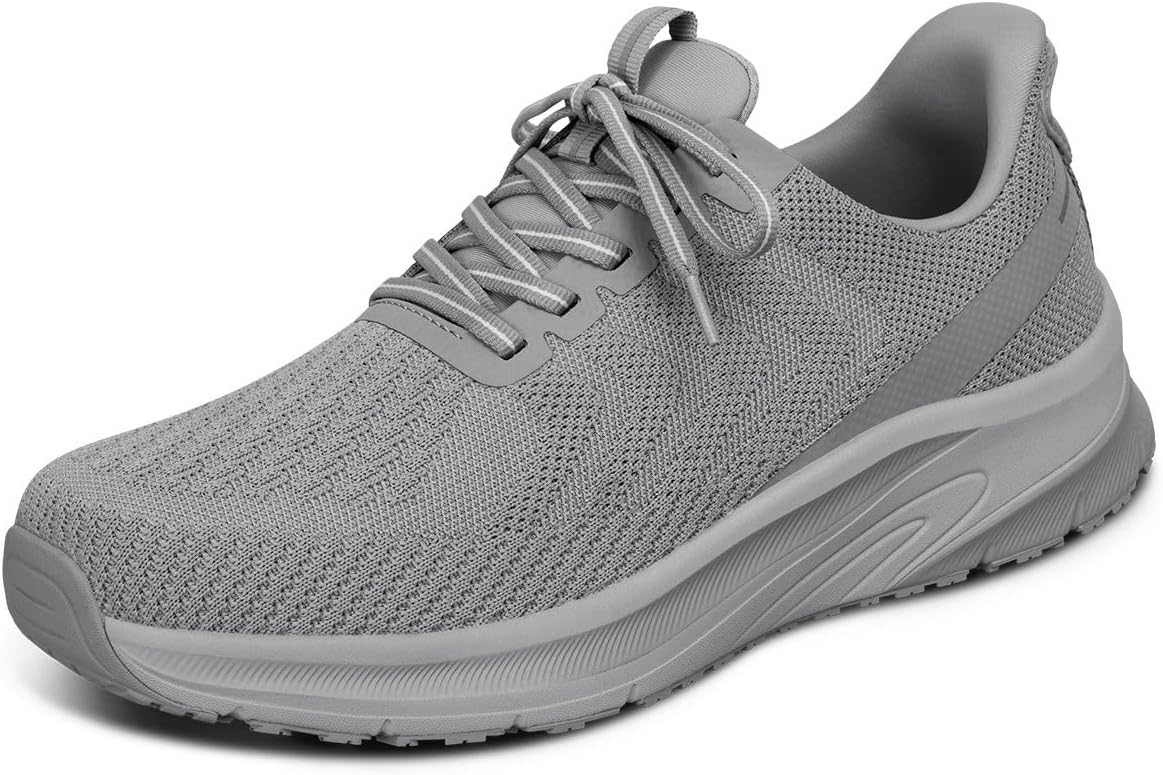
Orthopedic Slip-On Sneakers: Balancing Medical Support with Everyday Style
The Orthofeet Tilos represents a hybrid category merging orthopedic footwear with casual sneaker aesthetics. Buyers should understand these aren't standard fashion trainers but therapeutic shoes with specific design features like the hands-free entry system and orthotic-friendly construction. The slip-in mechanism combined with orthopedic claims creates unique expectations around fit, support, and daily usability.
Key Considerations Before Buying
- The hands-free slip-in design requires evaluating both entry convenience and heel security during movement—some orthopedic users need secure closure systems.
- Orthopedic footwear often has unique sizing; the Tilos's wide toe box and anatomical design may fit differently than standard fashion trainers.
- Therapeutic features like the orthotic-friendly insole and rocker sole affect both comfort and gait mechanics, which impacts long-term wearability.
What Our Analysts Recommend
Quality indicators include seamless interior construction to prevent irritation, durable yet flexible outsoles for the rocker design, and materials that accommodate orthotics without compromising the slip-in function. The transition from medical device to fashion item should maintain structural integrity in stress points like the heel collar and midfoot.
Fashion Trainers Market Context
Market Overview
The orthopedic fashion trainer market has expanded significantly, with brands like Orthofeet bridging medical footwear and casual styles. German consumers particularly value this fusion, demanding both therapeutic benefits and aesthetic acceptability for daily wear. The category competes with both medical brands and mainstream sneaker companies incorporating comfort features.
Common Issues
Common problems include orthopedic shoes that sacrifice style entirely or fashion trainers making unsubstantiated therapeutic claims. Fit inconsistencies plague the category, especially with slip-on designs that must accommodate various foot volumes while providing adequate support. Another concern is durability when orthopedic components meet casual shoe construction methods.
Quality Indicators
Look for specific orthopedic certifications, transparent materials listing (especially for interior linings and footbed components), and design details like reinforced heel counters in slip-on models. Quality orthopedic-fashion hybrids clearly articulate their therapeutic features rather than making vague comfort claims.
Review Authenticity Insights
Grade B Interpretation
A Grade B with 10% estimated fake reviews indicates generally reliable feedback with moderate scrutiny needed. For orthopedic footwear where subjective comfort experiences vary widely, this authenticity level suggests genuine users are reporting real experiences, though some reviews may overemphasize therapeutic benefits.
Trust Recommendation
Focus on verified purchase reviews discussing specific fit details or long-term wear experiences rather than generic comfort praise. Given the 4.40 adjusted rating (down from 4.67), pay particular attention to 3-4 star reviews that often provide balanced perspectives on the Tilos's slip-in functionality versus support trade-offs.
Tips for Reading Reviews
Prioritize reviews mentioning actual foot conditions (plantar fasciitis, bunions, etc.) and how the Tilos's specific features addressed them. Look for discussions of the hands-free mechanism's practicality in daily use—authentic reviews typically describe specific scenarios where this feature succeeded or created challenges.
Expert Perspective
The Orthofeet Tilos presents a compelling proposition for men seeking orthopedic solutions without sacrificing casual style. The 4.40 adjusted rating from verified purchases suggests genuine satisfaction, particularly regarding the hands-free convenience combined with therapeutic design. However, the gap between raw and adjusted ratings indicates some review inflation, common in the orthopedic footwear category where emotional relief from pain can generate enthusiastic responses. The product appears strongest for those prioritizing easy entry/exit while needing moderate orthopedic support rather than maximum medical intervention.
Purchase Considerations
Weigh the convenience of the slip-in design against your specific support needs—some orthopedic conditions require more adjustable closure systems. Consider whether your daily activities align with the rocker sole design, which aids gait but may feel unusual initially. The fashion trainer styling makes these socially acceptable, but ensure the therapeutic features match your actual foot requirements rather than just the appealing hands-free concept.
Comparing Alternatives
Compare with similar orthopedic slip-ons from brands like Drew or Propet, and consider whether traditional lace-up orthopedic sneakers might provide better adjustability for your specific needs.


