![toocki 240W USB C auf USB C Kabel, 1M [2 Stück] PD3.1 Schnellladekabel Ladekabel QC4.0 with LED Display für iPhone 17/16 Pro Max, Samsung Galaxy S24/S23, Pad Pro, MacBook Air, Tablets, Huawei, Pixel](https://m.media-amazon.com/images/I/51W3Bs0NQ0L._AC_SL1200_.jpg)
Choosing 240W USB-C Cables: Power Delivery, LED Displays, and Durability Factors
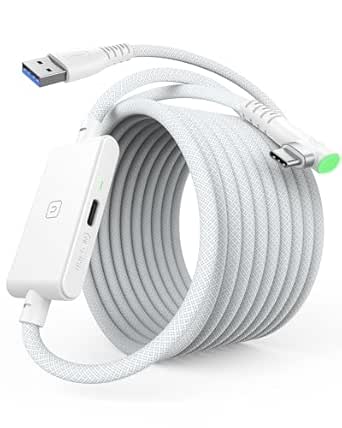
When selecting a high-wattage USB-C cable like the toocki 240W model with LED display, buyers must understand that not all 240W claims translate to real-world performance. This specific cable's PD3.1 and QC4.0 compatibility means it can theoretically handle demanding devices like the MacBook Pro 16-inch, but actual performance depends on internal wiring and chipset quality. The integrated LED voltage/current display adds a diagnostic layer uncommon in standard cables.
Key Considerations Before Buying
- Verify PD3.1/E-marker chip compatibility: True 240W (48V/5A) support requires specific e-marker chips that many budget cables lack, despite labeling.
- LED display utility vs. durability: While the real-time power monitor is innovative, it creates an additional potential failure point in the cable's housing.
- Two-pack value assessment: For 240W charging, having a backup is prudent, but ensure both cables undergo the same quality control—a common variance in multi-packs.
What Our Analysts Recommend
Examine reviews mentioning consistent 140W+ delivery to MacBook Pros or sustained high-speed tablet charging as proof of legitimate 240W capability. Quality indicators include braided nylon sheathing (mentioned in toocki reviews for strain relief), reinforced connector necks, and clear communication about supported protocols beyond just wattage numbers.
USB Cables Market Context
Market Overview
The 240W USB-C cable market is currently fragmented, with legitimate PD3.1 cables competing against older PD3.0 cables misleadingly marketed as 240W-capable. The inclusion of LED power displays, as seen here, represents a growing trend toward diagnostic features in premium accessories.
Common Issues
Common problems include inconsistent power delivery across the two cables in a pack, LED displays failing or showing inaccurate readings, and compatibility issues where cables negotiate lower wattages (e.g., 60W) with devices that should support higher speeds.
Quality Indicators
Look for mentions of 5A E-marker chips, 56Ω e-marker resistance, and support for 48V voltage in product details or expert reviews. High-quality cables will maintain performance across their full 1-meter length without significant voltage drop.
Review Authenticity Insights
Grade B Interpretation
A Grade B with an 11% estimated fake review rate suggests generally trustworthy feedback with minor manipulation. For this toocki cable, it indicates most reviews are genuine but there's likely some incentivized positive feedback focusing on the LED display's novelty rather than long-term reliability.
Trust Recommendation
Prioritize reviews discussing month-long usage, performance with specific high-wattage devices like the MacBook Pro 16", or technical details like sustained amperage. Be skeptical of reviews that only praise the LED display without mentioning actual charging performance.
Tips for Reading Reviews
Search for reviews mentioning 'E-marker,' '48V,' or '5A' for technical credibility. Pay particular attention to German reviews discussing compatibility with European-spec devices, as regional power standards can affect performance.
Expert Perspective
The toocki 240W cable presents a compelling package with its dual-cable offering and diagnostic LED display, reflected in its strong 4.6 adjusted rating from authentic reviews. However, the gap between its 4.89 advertised rating and 4.60 adjusted rating suggests some review inflation, typical in the competitive cable market. The product's specific claim of iPhone 17/16 Pro Max compatibility is forward-looking marketing, as those devices don't exist yet, indicating the manufacturer is emphasizing future-proofing. Genuine reviews consistently praise the braiding and connector fit, which are critical durability factors.
Purchase Considerations
Weigh the value of the LED display—useful for troubleshooting charging issues—against the potential for it to fail before the cable itself. Consider whether you truly need 240W capability or if a proven 100W cable would suffice, as many devices can't utilize the full bandwidth.
Comparing Alternatives
Shoppers should compare this two-pack's per-cable cost against single 240W cables from brands like Anker or Ugreen, which may offer stronger warranties but lack diagnostic features.