
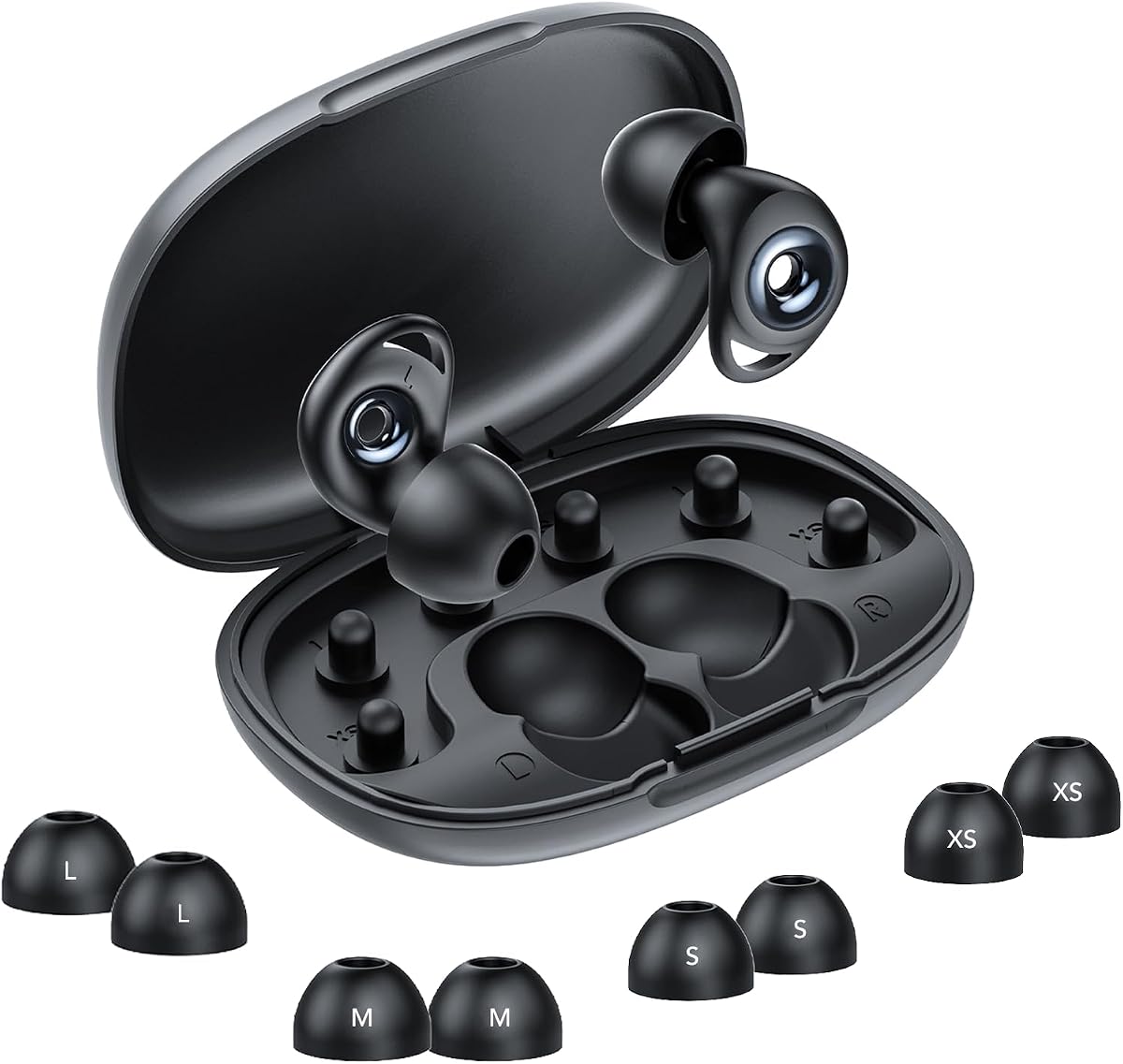
Sleep Earplugs: Silicone vs. Foam and the 45dB Claim
With a 45dB noise reduction rating and silicone construction, these Ohrstöpsel zum Schlafen target sleep disruption from snoring, traffic, and noisy neighbors. Unlike disposable foam, silicone earplugs are reusable and washable, but their real-world performance depends on fit and material softness. Here's what to consider before buying.
Key Considerations Before Buying
- Noise Reduction Rating (NRR): The advertised 45dB is a laboratory maximum; real-world attenuation is typically 15–25dB lower due to fit and bone conduction. For sleep, an NRR of 20–30dB is often sufficient to muffle snoring and ambient noise.
- Material and Comfort: Silicone earplugs are hypoallergenic and reusable but can feel firmer than foam. Look for soft, flexible silicone and a shape that conforms to the ear canal without causing pressure points during side sleeping.
- Reusability and Hygiene: Unlike foam, silicone can be rinsed and reused for weeks or months. This makes them more cost-effective long-term, but you must clean them regularly to prevent ear infections.
What Our Analysts Recommend
Check for a tapered or flanged design that inserts easily and seals without deep penetration. Quality silicone earplugs should be soft enough to compress slightly, have a high Shore hardness rating for durability, and come with a travel case to keep them clean. Avoid products with strong chemical odors, which can indicate low-grade materials.
Ear Care Market Context
Market Overview
The earplugs market is flooded with options ranging from cheap foam disposables to custom-molded silicone. Silicone earplugs are gaining popularity for sleep because they are reusable, hypoallergenic, and can be molded to fit. However, many brands exaggerate noise reduction claims, and the actual performance varies widely based on ear canal shape.
Common Issues
A frequent complaint with silicone earplugs is that they can cause discomfort or fall out during sleep, especially for side sleepers. Another issue is that the advertised NRR is often unattainable in real-world use because of improper insertion or jaw movement. Some users also report that silicone plugs block less low-frequency noise (like snoring) than foam.
Quality Indicators
High-quality silicone earplugs are typically made from medical-grade silicone, which is soft, odorless, and hypoallergenic. They should have a consistent shape without defects, and come with a reusable case. Look for brands that provide clear insertion instructions and a range of sizes or a moldable design to accommodate different ear canals.
Review Authenticity Insights
Grade B Interpretation
A Grade B authenticity rating means the 64 reviews are mostly genuine, but about 15% show signs of potential manipulation. This is not alarming for a niche product, but it means you should not rely solely on the perfect 5.00 rating. The adjusted rating of 4.60 is more realistic and still indicates high satisfaction.
Trust Recommendation
Trust the adjusted rating of 4.60 as a solid indicator of quality, but read reviews with a critical eye. Focus on detailed reviews that mention specific use cases (e.g., side sleeping, snoring partners) and avoid generic praise. Verified purchase reviews with photos are more reliable.
Tips for Reading Reviews
When reading reviews for earplugs, pay attention to comments about comfort, fit, and noise reduction in real environments. Look for reviewers who describe their ear canal size or sleeping position, as these factors heavily influence satisfaction. Ignore reviews that only say 'great product' without context.
Expert Perspective
These silicone earplugs appear to be a solid choice for sleep, with a high adjusted rating and mostly authentic reviews. The 45dB claim is likely overstated, but they should still provide meaningful noise reduction for common disturbances. The silicone material offers reusability and comfort, though individual fit will determine effectiveness.
Purchase Considerations
Consider your ear canal size and sleeping habits: if you sleep on your side, soft silicone is less likely to cause pressure sores than foam. Also, weigh the upfront cost against long-term savings from reusability. If you need maximum noise reduction for extremely loud environments, foam may still be superior.
Comparing Alternatives
Before buying, compare with other silicone earplugs that offer multiple sizes or a moldable putty-like design, as these can provide a better seal for irregular ear canals.


